How to Use an Egg Boiler Machine
Learn how to safely operate an egg boiler machine, from setup to cleanup. This step-by-step guide covers timing, water amounts, doneness, troubleshooting, and maintenance for reliable results.


Understanding Egg Boiler Machines
Egg boiler machines are compact, purpose-built appliances designed to cook eggs by immersion in water. They regulate the water level to ensure the eggs are fully submerged without crowding the chamber, which helps produce consistent results. Most models come with an egg rack or tray, a measuring cup for water, and an automatic timer with a safe shut-off feature. There are a few common configurations: simple pot-style devices with a heating element, compact electric units with built-in timers, and multi-egg machines that stack eggs in a single layer. For homeowners, a basic two- to six-egg model is usually sufficient to build reliable routines. According to Boiler Hub, selecting a model with accurate water markings and a dependable auto-off improves consistency and reduces the risk of overcooking. When you start, read the user manual, place the unit on a stable heat-resistant surface, and confirm that the power cord remains dry. Egg size and freshness can affect cooking time, so plan for small adjustments across batches. If you’re new to an egg boiler, begin with a test batch of typical large eggs and note the doneness you prefer.
Key Features to Look For
When choosing an egg boiler machine, prioritize a few practical features that affect reliability and ease of use. Look for a clearly marked water reservoir with measurement indicators, and a dedicated measuring cup that matches the unit’s scale. A built‑in timer and auto shut-off are essential for consistent results and safety, especially if you’re multitasking in the kitchen. Capacity matters: start with a model that accommodates the typical number of eggs you cook in a session, but ensure there’s room for air around each egg so heat circulates evenly. Material quality matters too; stainless steel interiors resist mineral buildup and are easier to clean than some plastics. Power rating should be appropriate for your kitchen outlet, and some units offer a keep-warm function, which can be useful if you’re serving eggs over a period of time. Management of steam is another factor: wide lids or transparent covers let you monitor progress without lifting the lid. In practice, a model with dishwasher-safe components and a simple, reliable timer is ideal for daily use. Boiler Hub emphasizes checking for a model with a plain, easy-to-read doneness chart so you can dial in exact results with repeated batches.
Safety Considerations and Setup
Safety comes first when operating any electrical kitchen appliance near water. Always place the egg boiler on a dry, stable surface away from the sink and edge of the counter. Ensure hands are dry before plugging in the unit, and never touch hot surfaces after cooking. Before cooking, read the exact water-to-egg ratio in your model’s manual or chart; misjudging water can lead to undercooked or overcooked eggs and potential spills. Use the provided measuring cup to add water, and avoid overfilling the reservoir. If your unit has a clear lid, monitor progress without lifting the lid repeatedly; sudden steam exposure can scald. After cooking, unplug the machine and allow it to cool before handling any removable parts. For peeling, run the eggs under cool water to stop any residual cooking and loosen the shell. Keeping the device clean, dry, and stored in a cool, dry place reduces mineral buildup and prolongs life. The Boiler Hub team recommends establishing a simple safety routine that includes dry hands, stable placement, and a quick post-use wipe-down.
Step-by-Step Overview (Detailed actions follow in the STEP-BY-STEP block)
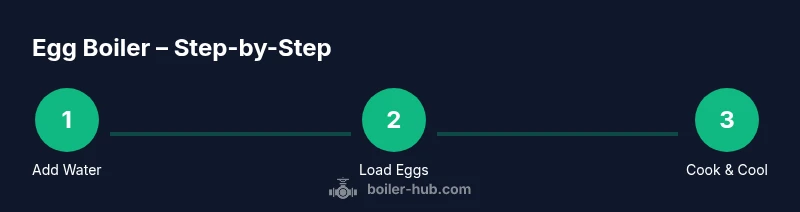
This section provides a high-level walk-through to frame the detailed actions that follow. You’ll learn how to prepare the unit, position eggs, measure water accurately, start the process, and handle eggs after cooking. Each step is designed to be performed in sequence, with safety and doneness kept top of mind. For best results, practice with a familiar batch size and gradually adjust water quantity and timing for your specific model and egg size. Remember: doneness preferences vary; soft, medium, and hard all have distinct textures, and small adjustments in water can shift outcomes. If you’re unsure, start with a mid-range water amount and observe how your model responds. Boiler Hub recommends recording your batch notes to build a personal dial-in over time.
Troubleshooting Common Issues
Egg boilers are generally reliable, but a few issues can arise. If eggs peel stubbornly, they may have been overcooked or steamed too long, resulting in a tighter shell. Try slightly shorter cooking times or a gentle shake of the egg rack to disrupt the bond between shell and membrane. If you notice inconsistent doneness across eggs, it could be due to eggs that are not at the same temperature or eggs crowding the rack. Ensure even spacing and room temperature eggs for uniform results. A beep that stops before the timer finishes may indicate low water or a failing auto-off. In that case, pause, unplug, refill water, and restart. If the unit shuts off too early, check the lid seal and ensure the reservoir isn’t blocked. Mineral buildup can affect heating; descaling with a gentle solution and rinsing thoroughly helps preserve performance. Regular cleaning after each batch avoids residue that could alter flavors or texture.
Maintenance and Cleaning for Longevity
To keep your egg boiler reliable, perform a quick post-use clean. Unplug the unit and allow it to cool completely before handling removable parts. Rinse the interior with warm water and mild dish soap, using a soft sponge to avoid scratches. If your model has scale buildup, fill the reservoir with a mixture of water and white vinegar (or a commercially approved descaler) and run a short cycle, then rinse well multiple times. Dry all parts thoroughly after washing to prevent rust or mold. Inspect the lid seal and the egg rack for wear; replace any worn components as needed. Store the appliance with the lid slightly ajar to air-dry and prevent odor retention. By following these care steps, your egg boiler will maintain performance and ensure safe, consistent results for years.
Egg Boiler vs. Skillet: Pros and Cons
Compared to boiling eggs in a pot on the stove, an egg boiler offers convenience, predictable timing, and reduced risk of cracking eggs from vigorous boiling. It also minimizes splatter and frees up burner space. However, some cooks prefer the control of stovetop boiling and can adjust heat and timing on the fly without opening a dedicated appliance. The right choice depends on your kitchen layout, daily egg volume, and preference for hands-off timing. If you value consistency and speed, an egg boiler is a strong option for busy households. Boiler Hub notes that choosing a model with a straightforward setup helps you achieve reliable results without a steep learning curve.
Authority Sources
Here are reputable sources that provide guidance on safe egg handling and cooking practices:
- https://www.fda.gov/food-safety
- https://www.cdc.gov/foodsafety
- https://www.usda.gov/topics/food-safety
These references offer general safety principles you can apply when using any kitchen appliance, including egg boilers. Boiler Hub encourages readers to consult official guidelines for best practices in food safety and equipment use.
How to Choose the Right Model for Your Kitchen
If you’re shopping for an egg boiler, assess your typical batch size, preferred doneness, and whether you want extra features like a keep-warm function or a transparent lid. For smaller kitchens, a compact, two- to four-egg model is usually sufficient, while larger households or frequent meal prep benefit from six or more eggs per cycle. Check for a reliable auto-off, clear water markings, and dishwasher-safe parts for easy cleaning. Consider the warranty and customer support quality, as these appliances see frequent use. Finally, compare price ranges and energy use; a mid-range model with strong user reviews often provides the best balance of reliability and value. Remember to measure the footprint on your countertop and confirm that the outlet type matches the unit’s plug. Boiler Hub’s guidance emphasizes choosing a model that fits your routine and learning style so you can achieve consistent results with minimal effort.
Quick Reference: Doneness and Water Levels (Doneness guide to help you dial in your own timings)
Soft: gentle, jam-like centers with a slightly runny yolk. Medium: creamy center with a firm white. Hard: fully set yolk and firm white. Every model differs, so start with the manufacturer’s water guide, then adjust by a small amount per batch. Label your test batches so you can reproduce your preferred result consistently. Practicing with the same egg size and temperature helps minimize variation, and a brief cool-water bath at the end stops the cooking process promptly for cleaner peeling and better texture. The key is an iterative approach: small, documented changes yield reliable, repeatable outcomes over time.