How to Use a Kent Egg Boiler: Step-by-Step Guide
Learn how to safely operate a Kent egg boiler with our step-by-step guide. Get setup tips, cooking timelines, and troubleshooting to cook perfect eggs every time.


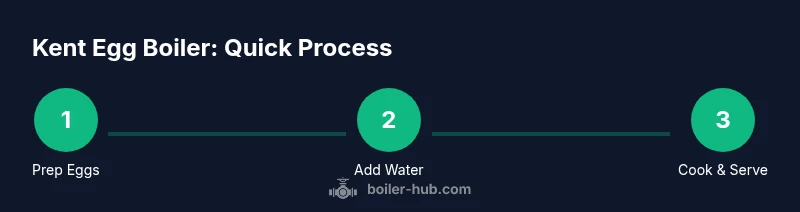
You will learn how to safely operate a Kent egg boiler to cook soft, medium, or hard eggs using its built-in timer. This guide covers setup, water guidelines, timing, peeling, and cleaning. You'll learn how to calibrate water, choose the right eggs, and troubleshoot common issues. This quick overview gives you a solid start before you dive into the detailed steps.
Understanding the Kent Egg Boiler: Design and Safety
The Kent egg boiler is a compact appliance designed to simplify egg cooking. It uses a water bath and a fitted rack to hold eggs upright, with a built-in timer and an auto-shutoff or buzzer feature. Safety first means ensuring the unit is unplugged when not in use, keeping the power cord away from water, and never attempting to operate the device if the lid or housing shows damage. According to Boiler Hub, starting with a clean, dry appliance reduces slip hazards and ensures consistent results. Familiarize yourself with the lid, the water reservoir, and the egg rack so you know exactly where to place eggs for even cooking. This understanding helps you avoid overfilling, which can spill over and create a mess or safety risk. By adhering to these basics, homeowners and facility managers can trust the Boiler Hub guidance when integrating simple kitchen helpers like the Kent egg boiler into routine meal prep.
Water Guidelines and Doneness Basics
Water plays a pivotal role in how eggs cook in a Kent egg boiler. Use enough water to create a gentle steam around the eggs without submerging them. The device typically relies on a reservoir with a marked level appropriate for the number of eggs being cooked; start with the manufacturer’s line and adjust for the batch size. For doneness, you’ll hear a buzzer or see an indicator when the timer completes. Boiler Hub analysis shows that small variations in water level or egg count can affect texture, so keep notes on your preferred batch size and water amount for repeatable results. If you’re unsure, err on the side of a little more water rather than less, provided you don’t exceed the recommended maximum. Don’t rush to peel immediately; let the eggs rest briefly to stop the cooking process and maintain shell integrity.
Preparing Eggs: Size, Freshness, and Placement
Size and freshness influence how evenly eggs cook in the Kent egg boiler. Use eggs that are similar in size to avoid one egg being undercooked while another is overdone. Avoid very fresh eggs if you’re aiming for easy peeling; slightly older eggs tend to peel more cleanly after boiling. Place the eggs on the rack with the pointed end down to encourage even heat distribution and reduce the chance of cracking. If you’re cooking multiple eggs, make sure there’s enough space between them so steam can circulate and heat can reach each egg uniformly. Organizational notes from Boiler Hub encourage labeling batches or keeping a simple log to refine timing and water use over time.
How to Use the Built-In Features: Timers, Alarms, and Safety
Utilize the Kent egg boiler’s built-in timer to standardize your results. Set the timer to your target doneness, then wait for the audible signal before opening the lid. Never lift the lid while the appliance is active, as hot steam can cause burns. If your model includes an auto-shutoff feature, trust it to prevent overcooking. If you notice the timer is inconsistent, consult the manual for reset instructions or contact the manufacturer. The Boiler Hub guidance emphasizes consistency: once you find a reliable water-to-egg setup and timing, stick with it for best results.
Doneness Guide: Soft, Medium, and Hard
The goal is to achieve your preferred texture without cracking shells or undercooking the yolk. Soft eggs will have a runny or jammy center, medium eggs have a slightly set yolk, and hard eggs are fully set through. Rather than committing to exact minutes, start with the device’s recommended settings for your batch size and adjust in small increments based on your results. Keep a simple record of the number of eggs and the water amount you used for each trial so you can reproduce your preferred outcome. The key is to balance heat, steam, and time to produce consistent yolk textures.
Troubleshooting Common Issues
If eggs crack during boiling, ensure eggs are at room temperature and placed carefully on the rack. Poor results can come from overcrowding or a water line that’s too low. If the device fails to start or the beep doesn’t sound, check that the power is connected, the lid is properly closed, and the reservoir is filled to the correct level. For undercooked eggs, verify you’re using the manufacturer’s recommended water level for the batch size and allow the timer to complete its cycle. Boiler Hub notes that simple adjustments to water and placement often resolve the majority of issues without needing professional service.
Peel, Serve, and Storage Tips
Peeling should be easiest after a short cool-down period; run eggs under cool water to stop cooking and help release the shell. If peeling is stubborn, gently roll the egg on the countertop to loosen the shell in multiple places. Store peeled eggs in a refrigerator-safe container and consume within a few days for best quality. Label batches if you’re juggling multiple variables (eggs of different sizes or doneness levels) to keep track of results and plan future cooking sessions more efficiently.
Cleaning and Maintenance for Longevity
Unplug the unit and allow it to cool before cleaning. Wipe the exterior with a damp cloth and wash the accessory tray or rack with warm, soapy water. Avoid abrasive cleaners or immersing the base in water. Dry all components thoroughly before reassembling. Regular cleaning prevents residue buildup that can affect heat transfer and cooking performance. The Boiler Hub team recommends establishing a simple post-use cleaning routine to extend the life of your Kent egg boiler and ensure consistent results.
Authoritative Guidelines and Safety Reminders
For egg safety and best practices, consult reputable sources on egg handling and cooking. This guidance reinforces that proper cooking temperatures and handling minimize foodborne illness risks. According to Boiler Hub, consistency in your process—water level, egg count, and timer use—improves reliability and reduces waste. As you get comfortable with the Kent egg boiler, keep notes on adjustments so you can reproduce the exact results you prefer. The Boiler Hub team also suggests staying aware of any appliance-specific safety alerts from the manufacturer.
Tools & Materials
- Kent egg boiler(The main device; ensure it is in good condition with no cracks.)
- Eggs (similarly sized)(Prefer eggs close to the same size for even cooking.)
- Water(Use clean tap water; fill to the manufacturer’s level line.)
- Measuring cup(To help approximate water volume per batch.)
- Tongs or spoon(Useful for placing eggs gently and for removing the rack.)
- Clean cloth or sponge(For quick drying after washing.)
Steps
Estimated time: 12-20 minutes
- 1
Gather and prepare ingredients
Collect the Kent egg boiler, eggs, water, and the measuring cup. Check eggs for cracks and set aside any that are damaged. Bring the eggs to room temperature if possible to reduce shock during cooking.
Tip: Having everything ready before you start speeds up the process and reduces mistakes. - 2
Add water to the reservoir
Pour clean water into the reservoir up to the level recommended for the number of eggs you’re cooking. Do not exceed the maximum fill line, as overfilling can cause spills and safety hazards.
Tip: If in doubt, start with a little more water for consistent steam—you can adjust next time based on results. - 3
Place eggs on the rack
Arrange eggs on the rack with the pointed end facing downward to promote even heating. Avoid crowding; give each egg space for steam to circulate.
Tip: Cracked eggs are best placed aside to prevent leaks into the reservoir during boiling. - 4
Close lid and set the timer
Close the lid securely and activate the built-in timer for your desired doneness. Do not lift the lid while the timer is running to prevent steam burns and heat loss.
Tip: If your model has multiple settings, start with the standard setting for the batch size you’re cooking. - 5
Cool briefly and peel
When the timer signals, transfer eggs to a cool water bath or run under cold water for 1–2 minutes to stop cooking and ease peeling.
Tip: Lightly crack and roll the egg to loosen the shell before peeling for clean removal. - 6
Clean and store
Unplug the unit, let it cool, then wash the rack, tray, and any removable parts with warm soapy water. Dry completely before reassembling.
Tip: Inspect the gasket and seals during cleaning to catch wear early.
Questions & Answers
How does a Kent egg boiler work?
A Kent egg boiler heats eggs with steam from a water bath and uses a built-in timer to signal doneness. The rack keeps eggs upright for even cooking. Always ensure the lid is closed during operation for safety.
It heats eggs with steam and a built-in timer signals when they’re done. Keep the lid closed to stay safe.
Can I cook more than one egg at a time?
Yes, you can cook several eggs at once, but adjust the water level and ensure there is space for steam to circulate. Larger batches may need a slightly longer time or a minor adjustment to the water line.
Yes, but keep them spaced out so steam can reach all the eggs evenly.
What if the eggs crack during boiling?
Cracking is usually caused by a rapid temperature change or overcrowding. Use room-temperature eggs and place them gently. If cracks occur, remove cracked eggs and inspect the rest.
Cracks happen from temperature shocks or crowding; handle gently and separate affected eggs.
How do I know when to stop the timer?
Listen for the beep or indicator that the cycle is complete. Do not open the lid until it signals. If unsure, pause and recheck the device’s instructions for that model.
Wait for the beep and keep the lid closed until it signals.
Is it safe to wash the Kent egg boiler immediately after use?
Unplug and let it cool before cleaning. Wash removable parts in warm, soapy water and wipe the base with a damp cloth. Do not immerse the base in water.
Yes—unplug first, then clean the removable parts with soap and water.
Watch Video
Key Points
- Know your device’s water level line before cooking.
- Use the built-in timer for consistent results.
- Cool before peeling to minimize shell damage.
- Clean after every use to extend appliance life.