How to Use an Egg Boiler
Learn how to use an egg boiler for perfect soft, medium, or hard-boiled eggs with safety tips, maintenance, and troubleshooting.


You can perfectly boil eggs with an egg boiler by following these steps: fill the reservoir with water to the recommended level, place eggs in the included rack, set the timer for soft, medium, or hard doneness, start the unit, and cool the eggs under cold water once done. For best results, adjust for egg size and altitude as needed.
How to use the phrase: how to use egg boiler and what this device does
If you’re wondering how to use egg boiler, you’re seeking a simple, reliable method to produce consistently cooked eggs without guesswork. A well-made egg boiler heats water to a precise level, steams the eggs, and automatically stops when the timer finishes. According to Boiler Hub, using a purpose-built egg boiler helps standardize doneness across batches and reduces the risk of overcooking. This section introduces the core idea and sets expectations for accuracy, safety, and convenience when preparing breakfast or meal prep.
How an egg boiler differs from traditional stovetop boiling
Egg boilers are designed to maintain steady water temperature and even heat distribution, which minimizes hot spots that can lead to uneven cooking. On a stove, variable heat and timing can result in overcooked exteriors and undercooked yolks. An egg boiler modules provide a dedicated rack or tray, built-in timer, and auto shutoff, making it easier to achieve your preferred doneness level with less hands-on attention. For homeowners and facility managers aiming for consistency, this difference is crucial for menu planning and batch cooking.
Key features to look for when choosing an egg boiler
When selecting an egg boiler, consider capacity (how many eggs per cycle), timer precision (seconds vs. minutes), and additional functions like a keep-warm mode, auto-off safety, and material quality. Look for a dishwasher-safe basket, clear water level indicators, and compatibility with your kitchen or utility space. If you manage multiple kitchens or large households, models with larger capacities and robust build may offer better long-term value and reliability.
Safety considerations and best practices
Always read the manufacturer’s instructions before first use. Use heat-resistant gloves when handling the unit, and keep the appliance on a stable, heat-resistant surface away from water spills. Do not overfill the reservoir beyond the recommended line, as excessive steam can damage seals. After use, unplug and allow the boiler to cool completely before cleaning. Regular inspection of seals, cords, and the power switch will help prevent electrical hazards and ensure safe operation.
Understanding doneness: soft, medium, and hard
Egg doneness depends on cooking time and egg size. Soft eggs have a runny or jammy center, medium eggs are partially set with a creamy yolk, and hard eggs have firm yolks. Use the timer settings suggested by the manufacturer and adjust for egg size—larger eggs may need a minute longer, while extra-large eggs may require two to three minutes more. Keep in mind that eggs continue to cook briefly after removal, a phenomenon known as carryover cooking.
Step-by-step usage overview (high level)
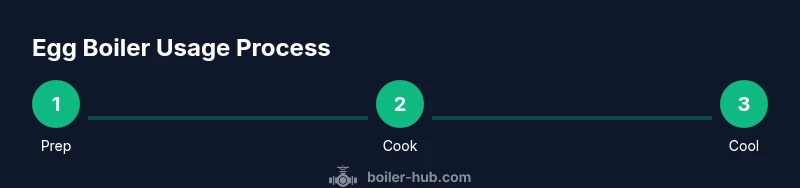
Before you start, ensure water is at the correct level and the rack is clean. Place eggs in the rack with the pointed end down, align the lid, and choose your doneness setting. Start the cycle and wait for the timer to signal completion. Immediately transfer eggs to cold water or an ice bath to halt cooking and make peeling easier. This overview complements the detailed step-by-step guide that follows.
Maintenance and cleaning tips
After each use, rinse the interior with warm water and a mild detergent. Avoid abrasive cleaners that could scratch the surface. Wipe the exterior with a damp cloth and ensure no moisture remains near the electrical components. For stubborn mineral buildup, run a short cycle with a vinegar-water solution, then rinse thoroughly. Regular cleaning helps preserve performance and prolongs the life of the appliance.
Troubleshooting: common issues and fixes
If eggs are undercooked, check that you used the correct water level and don’t exceed the timer. If eggs crack during cooking, ensure eggs are not cold from the refrigerator—allow them to come to room temperature slightly before cooking. If the unit doesn’t start, verify the power connection and that the lid is properly seated. Consult the manual for model-specific troubleshooting steps and safety advisories.
Adjusting for different egg sizes and altitude
Smaller eggs typically need less time; larger eggs require a longer cycle. At higher altitudes, water boils at a lower temperature, so you may need to extend the timer slightly to achieve the same doneness. It can be helpful to run a test batch with a single egg to dial in the ideal time for your kitchen conditions. Keep a simple log of times for future reference.
Storing and using boiled eggs in meals
Boiled eggs can be stored unpeeled in the refrigerator for up to one week. For peeled eggs, keep them in a container with a damp towel to prevent drying out. Use peeled eggs quickly for best flavor and texture. This practice supports meal prep workflows and helps ensure safe, ready-to-eat options for busy days.
Quick-start checklist and efficiency tips
Prepare the egg boiler, collect your eggs, and decide on desired doneness before you begin. Use the same batch time for consistency, and consider labeling trays for different breakfast menus. A quick rinse and wipe-down after cooking speeds up cleanup and keeps your kitchen organized for future use.
Brand and product comparisons: what matters in practice
Different brands offer varied capacities, timer resolutions, and build materials. In practice, choose a model with a reliable timer, sturdy rack, and easy-to-clean surfaces. For high-usage kitchens, prioritize models with higher daily throughput and robust safety features. This helps standardize results across daily operations and reduces variability in doneness.
Tools & Materials
- Egg boiler with lid(Choose a model with a clear water level indicator and a durable rack.)
- Water(Use cold tap water to fill to the recommended level.)
- Measuring cup or water level guide(For precise water measurement per batch.)
- Egg rack or basket(Holds eggs without crowding; prevents cracking.)
- Tongs or slotted spoon(For safe transfer to ice bath.)
- Ice bath or cold running water(Stops cooking and eases peeling.)
- Clean cloth or sponge(For quick wipe-down after cooking.)
Steps
Estimated time: 20-25 minutes
- 1
Read the manual and prepare the unit
Unpack the egg boiler, inspect for any shipping damage, and read the safety notes. Place the unit on a stable, heat-resistant surface away from edge spills. This step ensures you understand the model-specific safety requirements before cooking.
Tip: Double-check that the lid seals properly to prevent steam leaks. - 2
Fill the reservoir to the recommended level
Measure and pour water into the reservoir according to your model’s guide. The water quantity determines steam generation and doneness. Avoid overfilling to prevent overflow during operation.
Tip: Use the built-in water level line; don’t guess. - 3
Place eggs on the rack
Arrange eggs in a single layer with the pointed end down. Do not stack; crowding can cause uneven cooking or cracking. If your model supports, place a lid vent alignment to optimize steam flow.
Tip: Let eggs come to near room temperature for best results. - 4
Select your doneness setting
Choose soft, medium, or hard based on how you want the yolk. If your boiler has minute-based settings, start with the manufacturer’s recommended times and adjust in future batches.
Tip: For hard-boiled, plan for a minute or two longer if using extra-large eggs. - 5
Start the cycle
Switch on the appliance and allow it to heat until the timer ends. Do not open the lid during cooking to avoid steam burns or disrupting the process.
Tip: Avoid peeking; you’ll lose heat and delay results. - 6
Transfer to an ice bath
When the cycle ends, use tongs to move eggs to a bowl of ice water for 5–10 minutes. This stops carryover cooking and makes peeling easier.
Tip: Shake off excess water before peeling for cleaner shells. - 7
Peel or refrigerate for later use
Peel if needed or store unpeeled in the fridge. Peeled eggs should be consumed within a few days for best texture and flavor.
Tip: Label batches by cooking date to track freshness. - 8
Clean the unit after use
Cool the appliance, unplug, and clean the interior and rack with warm soapy water. Dry thoroughly to prevent mineral buildup and ensure readiness for next batch.
Tip: Wipe the exterior with a damp cloth to remove fingerprints and splashes.
Questions & Answers
Do egg boilers work for large eggs?
Yes, most egg boilers can handle large eggs, but timings may increase by a minute or two. Always test with a single egg to dial in the right duration.
Yes, they work for large eggs, but you may need to add a minute or so. Test with one egg first to be safe.
Can I use an egg boiler for other foods?
Some models support steaming vegetables or corn using the steam tray. Check your manual to confirm which accessories are compatible.
Some models can steam veggies; check your manual for compatible accessories.
Are egg boilers safe?
Yes, when used as directed. Follow safety notes, avoid overfilling, and ensure the unit is unplugged before cleaning.
Yes, when used according to the manual and with basic safety practices.
How long do boiled eggs last in the fridge?
Boiled eggs can last up to one week in the refrigerator when kept in a clean, sealed container. Unpeeled eggs preserve flavor better.
Hard-boiled eggs last about a week in the fridge if kept clean and sealed.
What if the eggs crack during cooking?
Cracks usually result from rapid temperature changes or crowding. Ensure eggs are not touching and allow them to come to room temperature before cooking.
Cracks happen from rapid temp changes or crowding. Give eggs a little room and bring them closer to room temp.
Do I need to peel eggs right away?
Peeling is easiest after an ice bath. You can refrigerate unpeeled eggs for later peeling; peeling later is fine with proper moisture.
Peel after an ice bath for best results, or refrigerate unpeeled and peel later.
Watch Video
Key Points
- Use the correct water level for consistent results
- Doneness depends on time and egg size
- Practice safety by following the manual and using an ice bath
- Regular cleaning extends device life
- Batch planning improves kitchen efficiency