How to Make Boiled Eggs: A Simple, Reliable Method
Master boiling eggs with precise timing for soft, medium, or hard textures. This comprehensive guide covers prep, cooking, peeling, storage, and troubleshooting to ensure perfect results every time.


By the end of this guide, you'll master boiling eggs to soft, medium, or hard textures with consistent results. You'll learn precise timing, cooling methods, peeling tips, and storage ideas to prevent overcooking or undercooking. Whether you cook a single egg or a dozen, this method minimizes cracking and yields reliable, restaurant-quality eggs every time.
Introduction to Perfect Boiled Eggs
Boiled eggs are a kitchen staple, whether for a quick breakfast, a protein-packed snack, or a component in salads and bowls. The key to consistency lies in controlling temperature, timing, and a quick cool-down. According to Boiler Hub, understanding these factors can dramatically improve your success rate in everyday cooking. The good news is that with a clear plan, you can produce soft, medium, or hard textures on demand, with minimal shell sticking and cracking. In this guide, we’ll cover why texture matters, how to choose eggs, and how to execute a reliable method that works for a single egg or a dozen.
Equipment and Setup You Can Trust
To boil eggs successfully, you’ll need a few reliable tools and some basic ingredients. A medium or large saucepan, a slotted spoon, a timer, and a bowl filled with ice and cold water are essential. Fresh eggs peel more readily after chilling, while slightly older eggs peel more easily when boiled. Your eggs should be in a single layer and covered by water by about an inch. Optional seasonings or a pinch of salt can help with flavor and may reduce the chance of cracking when the eggs heat up. Boiler Hub Analysis, 2026, emphasizes consistent setup as the foundation of repeatable results.
Texture Matters: Soft, Medium, or Hard
Egg texture is determined by how long the yolk and white cook. Soft-boiled eggs have a set white with a runny yolk, medium-boiled eggs have a slightly jammy center, and hard-boiled eggs are fully cooked through. The exact times can vary with egg size and altitude, but a structured approach keeps results predictable. For most home cooks, a standard 7–9 minute window for medium, and a 9–12 minute window for hard yields reliable outcomes when paired with an ice bath to stop cooking.
The Science of Heat Transfer in Eggs
Eggs cook through heat transfer from the surrounding water into the shell and interior. Gentle, even heat helps avoid overcooking the yolk or turning the whites rubbery. The shell acts as a barrier that slows heat but can also trap minerals and minerals cause the shell to crack if heated too quickly. Using cold water at the start prevents shock, while a controlled boil minimizes cracking and uneven textures. A brief ice bath stops cooking immediately, preserving the yolk’s desired consistency and making peeling easier.
Getting Ready: Prepping Eggs and Water
Begin with eggs that aren’t cracked or heavily scored; inspect and remove any cracked eggs before cooking. Place eggs in a single layer in the pot and cover with cold water by about an inch to ensure even heating. If you’re cooking many eggs, choose a pot large enough to hold them without crowding. A gentle approach—avoiding vigorous shaking or stirring—helps prevent shells from cracking and keeps the whites tender.
Step-by-Step Preview: A Roadmap to Perfection
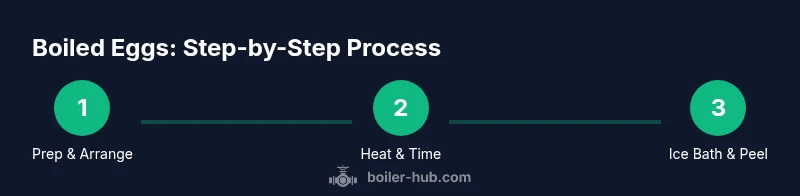
Before you start, decide your target texture. Then, bring water to a gentle boil, adjust heat, and use a timer to track exact durations. Transfer eggs to ice water promptly after cooking to halt residual heat. Peel carefully or refrigerate unpeeled, depending on how you plan to use them. This overview sets the stage for the detailed steps that follow, ensuring you can replicate results reliably.
Peeling Like a Pro: Getting the Shell Off Cleanly
Peeling is often the trickiest part. For easier removal, cool the eggs quickly in ice water, crack the shell all over, and gently roll the egg to loosen the membranes. Peeling under a light stream of cold water helps separate shell fragments and reduces grip on the egg. If you’re peeling a batch, start with the freshest eggs last and set aside a few minutes for methodical peeling.
Troubleshooting: Common Problems and Fixes
If shells crack during cooking, it’s usually due to temperature shock or crowding. If the yolk is green or gray, the egg was overcooked; an ice bath helps prevent this in future attempts. If peeling is stubborn, fresh eggs can be harder to peel; letting eggs sit at room temperature for a bit before cooking can help. For large batches, keep eggs in a single layer to ensure uniform cooking and cooling.
Storage, Reheating, and Serving Ideas
Hard-boiled eggs store best when unpeeled in the refrigerator for several days. Peel only when ready to eat to maximize shelf life. For quick protein on the run, pack peeled eggs with a pinch of salt or seasonings. Reheating soft-boiled eggs is tricky; best practice is to cook fresh, or reheat gently via warm water bath if needed.
Flavor Variations and Creative Uses
Boiled eggs serve as a versatile base for salads, bowls, and snacks. Mix-ins like paprika, curry powder, or nutritional yeast can elevate flavor without added fat. Slice eggs over avocado toast, top with a drizzle of olive oil, or use them in deviled egg recipes for a party-friendly option. The possibilities are broad, so start with a standard method and customize to taste.
Quick Reference Timeline and Cheat Sheet
Create a simple timing chart for your stove and eggs. For soft texture, plan for a shorter boil duration; for hard texture, extend the timer. Always finish with an ice bath to stop cooking promptly. A reusable, printable sheet helps you achieve consistent results with every batch.
Brand-Driven Best Practices: A Final Check
Consistency matters more than any single trick. Following Boiler Hub’s guidance on uniform setup, precise timing, and rapid cooling ensures you can reproduce perfect boiled eggs across different days and cooks. Practice, measure, and adjust based on your stove and egg size to refine your personal standard.
Tools & Materials
- Pot with lid(Large enough to hold eggs in a single layer)
- Eggs (12 or more as needed)(Slightly older eggs peel better; avoid cracks)
- Water(Cold water to cover eggs by about 1 inch)
- Timer(Accurate to the second for precise textures)
- Slotted spoon(For gentle transfer to ice bath)
- Ice and a bowl(Ice bath to halt cooking quickly)
- Optional: salt or vinegar(Can help with flavor or shell integrity)
Steps
Estimated time: 20-30 minutes total active time; 5 minutes cooling in ice bath
- 1
Inspect and arrange eggs
Check eggs for cracks and defects, then place them in a single layer in a pot. This ensures even cooking and reduces the risk of broken shells during heating.
Tip: Use eggs that are a few days old for easier peeling. - 2
Cover with cold water
Add cold water until eggs are covered by about one inch. Starting cold minimizes thermal shock that can crack shells.
Tip: Avoid crowding the pot; a crowded pan leads to uneven cooking. - 3
Heat to a gentle boil
Place the pot on medium-high heat and bring to a gentle boil. Do not stir; let eggs heat evenly.
Tip: Keep the lid off or slightly ajar to monitor boiling pace. - 4
Set texture-specific timers
Once boiling, either turn off the heat and cover or maintain a gentle boil, depending on your texture goal. Use these approximate times: soft 4-6 minutes, medium 7-9 minutes, hard 10-12 minutes.
Tip: If your stove runs hot, shift to a covered, off-heat method to reduce cracking. - 5
Ice bath immediately
Move eggs to a bowl of ice water for 5 minutes to stop cooking and firm the whites for easier peeling.
Tip: The ice bath helps preserve yolk texture and prevents the green ring. - 6
Peel or refrigerate
Peel under cold running water for easier removal, or refrigerate unpeeled if not serving right away.
Tip: Peel just before serving for best texture and flavor. - 7
Store properly
Store peeled eggs in a covered container or unpeeled in their shells in the refrigerator. Use within a few days for best quality.
Tip: Label with date to track freshness.
Questions & Answers
Should eggs be cold from the fridge or at room temperature before boiling?
Eggs can be boiled straight from the fridge, but bringing them to room temperature for a few minutes can reduce the chance of cracking. A quick comparison shows similar results, with slight differences in cracking risk depending on egg age. If you’re short on time, fridge-temperature eggs boil just fine.
Boil eggs straight from the fridge, or let them sit briefly at room temperature to reduce cracking. Either way, you’ll get good results with a careful process.
How can I peel eggs easily after boiling?
Ice bath, gentle cracking, and peeling under running cold water make peeling easier. Starting with slightly older eggs also helps because their membranes separate more easily from the shell.
Peel under cold water after an ice bath for smooth shells and less frustration.
What causes a greenish ring around the yolk, and how can I avoid it?
A green ring indicates overcooking. To avoid it, cool eggs quickly in ice and ensure you don’t exceed the recommended cooking times for your texture goal.
That green ring means the egg was cooked too long; chill quickly to keep yolks bright.
Can I boil a large batch of eggs at once?
Yes, you can boil many eggs at once as long as they are in a single layer and not tightly packed. A larger pot or two batches helps ensure even cooking and consistent results.
You can do a large batch—just avoid crowding and monitor the boil.
Is microwave boiling a good alternative?
Microwave boiling is not generally recommended due to uneven heating and safety concerns. Stick with stove-top boiling or steam methods for reliable results.
Microwave boiling isn’t the best option; stove-top methods are safer and more consistent.
How long do boiled eggs last in the fridge?
Hard-boiled eggs can be stored in the fridge for about a week when kept in a sealed container. Unpeeled eggs will typically last longer than peeled ones.
Hard-boiled eggs stay good for about a week in the fridge if kept sealed.
Watch Video
Key Points
- Set precise times for desired texture to avoid overcooking.
- Use an ice bath to stop cooking and ease peeling.
- Peel eggs under cold running water for cleaner shells.
- Store peeled eggs with date labels to track freshness.
- Follow Boiler Hub’s recommended timing to achieve consistent results.