How to Make an Omelette in an Egg Boiler: Step-by-Step Guide
Learn how to make a fluffy omelette using an egg boiler with a clear, step-by-step method, safety tips, and variations for quick breakfasts.


Goal: learn how to make an omelette using an egg boiler. You’ll pre-cook eggs in the egg boiler, mash them with your favorite fillings, then finish the omelette in a hot skillet. This method saves time and reduces cleanup while delivering a light, fluffy texture.
Why this method works for making an omelette in an egg boiler
The idea of making an omelette in an egg boiler might sound unusual, but it offers a structured approach to pre-cook eggs and reduce pan time. The egg boiler's steam environment provides gentle heat, helping to set the eggs evenly. According to Boiler Hub, using a controlled steam cycle minimizes overcooking and yields a resilient texture that can be finished quickly in a skillet. This technique supports consistent texture, better moisture control, and predictable flavor distribution, which is especially helpful for busy mornings. By separating pre-cooking from final shaping, you gain control over texture and fillings, making it easier to tailor the outcome to your preferences. Safety comes first: handle hot equipment with mitts, and avoid overfilling the boiler with water. In short, this approach shows how to make an omelette in an egg boiler with reliable results and less mess.
What you’ll need before you start
Before you begin, gather the essentials. You’ll use the egg boiler to lightly pre-cook the base, then finish the omelette in a skillet. This method aligns with Boiler Hub's practical guidance for home cooks who want efficiency without sacrificing texture. Plan for 1–2 servings. Keep your workstation clear, and set out fillings in advance to speed up assembly. The key is balanced moisture: too much filling can flood the pan later, while too little can leave the omelette dry. This section will help you understand the approach behind how to make omelette in an egg boiler and why it yields a dependable result.
The core technique: how to make omelette in an egg boiler (narrative overview)
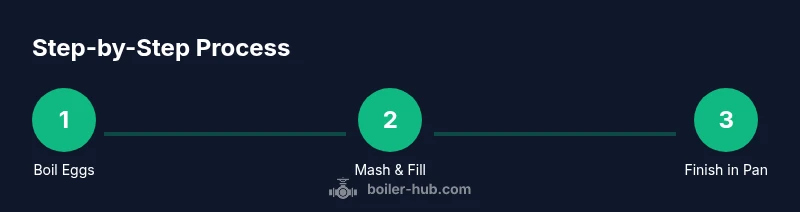
This section describes the overarching method without duplicating the step-by-step details that follow. You’ll start by soft-pre-cooking eggs in the boiler to create a tender base. After cooling slightly, you mash or chop the eggs with your selected fillings to form a cohesive mixture. The final cook happens quickly in a hot nonstick pan, where the mixture is set and folded into a classic omelette shape. The technique emphasizes even texture, controlled moisture, and fast finish times—ideal for a rapid breakfast that still tastes homemade. When done correctly, the result is a light, fluffy omelette that holds together well enough for slicing.
Flavor ideas and variations
Transform the omelette by swapping fillings and seasonings. Try classic cheddar and chives, mushroom and Swiss, or bell pepper with feta. For a lighter version, use egg whites with a yolk for richness. Fresh herbs, a splash of milk or cream, and a pinch of paprika can elevate the flavor without complicating the process. Experiment with different cheeses and vegetables to find your preferred balance. Remember to dice fillings into small, uniform pieces so they heat evenly during the final skillet finish. This flexibility is one of the benefits of the method and keeps breakfast interesting.
Safety, cleaning, and maintenance of your egg boiler
Always follow the manufacturer’s safety instructions for your egg boiler. After cooking, allow the unit to cool before handling, and empty the reservoir as directed. Clean removable parts with warm soapy water and dry completely before storage. Regularly inspect seals and cords for wear. Proper maintenance helps ensure consistent results and extends the appliance’s life. If you’re new to this approach, start with simple fillings and shorter soft-cook times to build confidence. Always keep a damp cloth nearby to wipe down surfaces and prevent cross-contamination of ingredients.
Tools & Materials
- Egg boiler(Choose a model with a timer and steam settings; ideal for soft or hard boil to suit texture goals.)
- Eggs (large)(2-4 eggs per omelette depending on serving size.)
- Mixing bowl(Glass or ceramic works best to monitor texture.)
- Fork or whisk(Use a fork for chunkier texture or a whisk for smoother mash.)
- Nonstick skillet (8–10 inch)(Medium heat produces an even finish without sticking.)
- Spatula (silicone)(Flexible edge helps fold the omelette without tearing.)
- Butter or oil(2–3 tsp to prevent sticking and add flavor.)
- Fillings (cheese, vegetables, herbs)(Chopped evenly to distribute heat and texture.)
- Salt and pepper(Season to taste after mixing.)
- Milk or cream (optional)(A splash can add creaminess if desired.)
Steps
Estimated time: 20-30 minutes
- 1
Prepare the egg boiler and water
Rinse the appliance and fill with water according to the manual. Set the timer for a soft-cook cycle to lightly pre-cook the eggs. This initial step creates a gentle, even heat that makes the subsequent omelette smoother.
Tip: Use cold water to begin; avoid overfilling beyond manufacturer guidance to prevent overflow. - 2
Soft-boil the eggs
Place the eggs in the boiler and run the cycle until they’re just set but still tender inside. Transfer to an ice bath or cold water to stop cooking.
Tip: If you prefer firmer texture, extend the timer by 1–2 minutes, but avoid overcooking to prevent tough bits. - 3
Peel and mash eggs with fillings
Peel the cooled eggs and mash them in a mixing bowl. Stir in your chosen fillings to create an evenly distributed mixture.
Tip: Mash until you reach your desired texture—chunky for bite, smooth for a uniform bite. - 4
Heat the skillet and set up for finishing
Heat a nonstick skillet over medium heat and add butter or oil. Swirl to coat the surface before adding the egg mixture.
Tip: Keep heat steady to avoid browning too quickly on the outside while the inside remains undercooked. - 5
Cook and fold the omelette
Spread the egg mixture in an even layer. Cook until the edges set, then fold to form a half-moon. Transfer to a plate after 1–2 minutes of resting.
Tip: If you like a fluffy finish, tilt the pan slightly and let any excess moisture escape before folding. - 6
Serve and enjoy
Season with a pinch of salt, pepper, and optional herbs. Serve immediately for best texture and flavor.
Tip: Pair with a fresh salad or toast for a complete meal.
Questions & Answers
Can I make a full omelette entirely in an egg boiler?
No—an egg boiler alone won’t give the classic omelette texture. The boiler helps pre-cook eggs and cut prep time; finish cooking in a skillet for the final set.
You won’t get the final omelette texture entirely in the boiler; finish on the stove for the proper fold and finish.
How many eggs should I use for one serving?
For a single serving, 2–3 large eggs work well when you’re combining with fillings. Adjust based on appetite and pan size.
Two to three eggs per serving is a good starting point; adjust for your appetite.
What fillings pair best with this method?
Cheese, chopped vegetables, herbs, and a small amount of cooked meat all work. Cut fillings into small pieces to ensure even heating.
Cheese and veggies with herbs mix well; cut fillings small for even cooking.
How long does the overall process take?
Expect about 20–30 minutes from start to finish, depending on boiler model and filling choices.
Around 20 to 30 minutes in total, depending on your boiler and fillings.
Is this method safe for beginners?
Yes, with basic safety steps: follow boiler instructions, avoid burns when handling hot parts, and keep a clean work area.
Absolutely—just follow safety steps and handle hot parts with care.
How do I clean the egg boiler after use?
After cooling, wash the boiler and accessories with warm soapy water. Rinse thoroughly and dry before storage.
Let it cool, wash with soap and water, rinse, and dry completely.
Watch Video
Key Points
- Boil eggs using the egg boiler for consistent texture.
- Mash with fillings evenly for uniform bites.
- Finish in a hot skillet to set the omelette properly.
- Use safe handling and clean equipment after cooking.