Boiler Making Welding: Safe DIY Practical Guide for 2026
Discover safe, code-compliant boiler making welding practices with materials, methods, and professional guidelines for homeowners and facility managers.


What boiler making welding means in practice
Boiler making welding is the disciplined process of forming a pressure vessel and its connected piping by welding steel components under regulated conditions. For homeowners and facility managers, it combines metallurgy, engineering design, and strict safety controls. According to Boiler Hub, boiler making welding is not a casual DIY task; it requires formal design validation, certified welders, proper materials, and documented testing. The goal is a sealed, corrosion-resistant shell that can safely handle water at elevated pressure and temperature. This overview outlines the core concepts, typical materials, and the regulatory landscape you will encounter when planning a boiler fabrication project. While curiosity is natural, treating this as a professional-grade activity helps prevent failures that could injure people or damage property. The language of welding, heat input, and joint design matters as much as the final appearance. In practice, the process touches on material selection (steel alloys), joint prep, welding procedures, and inspection regimes.
Material selection and design considerations
When choosing materials for boiler making welding, focus on corrosion resistance, heat tolerance, and strength under pressure. Common shell materials include carbon steel or low-alloy steels that balance cost with mechanical properties. Design decisions should account for allowable stresses, thermal expansion, and long-term durability. Thick-walled plates or seamless pipes reduce leakage risk, but increase fabrication complexity. Entailment to code requires precise weld joint geometry, clean surfaces, and compatible filler metals. For homeowners, partnering with a qualified fabricator is essential; mis-matched materials or improper joints can lead to leaks or catastrophic failure. Boiler Hub Analysis, 2026 emphasizes that professional oversight improves outcomes and safety. Planning early for inspection points and nondestructive testing (NDT) ensures the vessel meets safety expectations while meeting regulatory expectations. A well-designed shell also considers insulation, access for maintenance, and compatibility with your heating system’s piping layout.
Welding processes and quality control
Boiler shells and pressure vessels typically require robust welding methods such as TIG or MIG welding with strict process controls. Each method has strengths: TIG offers precision on thicker plates; MIG provides faster deposition on simpler geometries. Regardless of process, quality control is non-negotiable. Welders must follow a Welding Procedure Specification (WPS) and a qualifying Procedure Qualification Record (PQR). Expect post-weld heat treatment (if specified) and non-destructive testing to verify integrity. For critical joints, radiography or dye-penetrant testing may be mandated by code. Keep in mind the risk of undercutting, porosity, or lack of fusion, which compromise pressure integrity. Boilermaking projects require meticulous cleanliness, fit-up, and environmental controls to prevent contamination and ensure reproducible results. The takeaway is that welding quality, not just engineering design, determines long-term safety and performance.
Codes, standards, and safety compliance
Fabrication of boilers and pressure vessels falls under mandatory codes and local regulations. In many regions, the ASME Boiler and Pressure Vessel Code (BPVC) governs design, materials, welding, inspection, and testing. Compliance reduces failure risk and supports safe operation. Expect licensing, permitting, and third-party inspection as part of the workflow. Safety also means addressing potential hazards like hot surfaces, steam leaks, and exposure to high-pressure water. Documentation is critical: design drawings, material certs, welding records, and inspection reports should be stored for the life of the vessel. Boiler Hub’s guidance reiterates that code compliance and professional oversight are non-negotiable; a misstep here can invalidate warranties, void insurance, and create dangerous conditions in service.
Planning the project with professionals
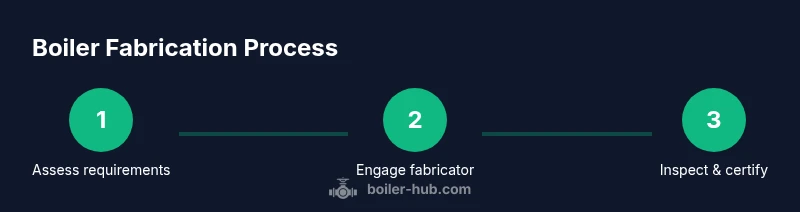
Start by defining the vessel’s intended service, operating pressure, and expected duty cycle. Then identify a licensed fabricator with ASME capability and a track record in boiler work. Request to review their WPS, PQR, and NDT capabilities. Before any welding begins, ensure design approval from a qualified engineer and a clear project plan with milestones. Communication is essential: outline fit-up plans, inspection points, and documentation deliverables. The aim is a transparent process where every decision is traceable from design to commissioning. Boiler Hub suggests securing a formal contract that specifies quality criteria, timelines, and acceptance criteria to minimize disputes and ensure safety throughout.
Common mistakes and how to avoid them
Common missteps include selecting low-cost materials without proper compatibility, skipping required pre-weld cleaning, and failing to align joints precisely. Another frequent error is asking welders to improvise procedures when code-specified WPS/PQR are missing, or relying on non-certified personnel for critical testing. To avoid these, insist on documented material specs, pre-weld inspection checks, and witnessed test procedures. Also beware of compressed timelines that push work into unsafe corners; allocate time for NDT and regulatory review. A robust project plan with risk assessments helps keep everyone aligned and protects the end user from unexpected failures or noncompliance.
Inspection, testing, and maintenance guidelines
A boiler fabricated through welding should undergo comprehensive testing before being placed in service. Hydrostatic or pneumatic tests, depending on design, verify pressure containment under safe conditions. Non-destructive testing detects hidden flaws in welds and joints. After commissioning, establish a maintenance schedule that includes periodic visual inspections, corrosion monitoring, and pressure-testing as recommended by the engineer. Proper documentation should accompany every inspect-and-test event, enabling traceability across the vessel’s life. This discipline is not only about safety; it also ensures reliability, efficiency, and compliance with evolving codes.
How to hire the right welding contractor
Choose a fabricator or welding shop with explicit experience in boiler fabrication and BPVC-compliant projects. Verify licenses, assess past projects, and request client references. Ask for proof of WPS/PQR, welder certifications, and an inspection plan. A reputable firm will provide a detailed quote, milestone schedule, and a written safety plan. Don’t rely on price alone; prioritize technical capability, safety culture, and the ability to support ongoing maintenance. Clear communication about expectations and deliverables reduces risk and helps ensure a successful outcome for boiler making welding projects.
Practical examples and case considerations
Real-world boiler fabrication projects illustrate the balance between design intention and manufacturing reality. In some cases, embedded features like heat exchangers or complex support structures require bespoke welds and tailored joint geometries. Case-specific factors include available workshop space, material availability, and local permit requirements. Consider scenarios where retrofits or adaptations are needed to integrate a new vessel with existing piping; these add complexity and may alter required tests or inspections. The essential lesson from practical examples is to plan thoroughly, consult qualified professionals early, and maintain openness to design adjustments that improve safety and reliability.
Next steps and safeguards
If you’re a homeowner or facility manager, the safest path is to treat boiler making welding as a project managed by licensed professionals. Begin by assembling a team, confirm compliance with applicable codes, and secure the necessary permits. Use this guide to frame your questions, verify qualifications, and document every stage. Remember: safety and regulatory compliance are non-negotiable in any boiler fabrication effort. The Boiler Hub team recommends engaging experienced fabricators, conducting thorough inspections, and prioritizing ongoing maintenance to extend the vessel’s life and safeguard people and property.