When to Replace a Boiler: Signs, Costs, and a Clear Plan
Learn clear signs that your boiler needs replacement, plus a step-by-step plan to assess age, efficiency, and safety, with tips to plan a safe and cost-effective transition.


You’ll determine whether to replace your boiler by evaluating age, repair history, efficiency, safety risks, and expected ongoing costs. Gather maintenance records, inspect for leaks or corrosion, and compare the cost of repairs to the price of a replacement. Follow a clear, step-by-step plan to make a confident, practical decision.
Why replacement becomes advisable
Boilers are durable, but like any appliance, they age and wear. According to Boiler Hub, most homeowners start considering replacement when the system shows repeated failures, a noticeable drop in comfort, or rising energy bills that can't be addressed with routine maintenance. If your boiler is more than a decade old, or if you frequently call a technician for minor repairs, it's time to weigh options. Signs that replacement may be more sensible than another repair include inconsistent heating, cold spots in the house, or strange noises like banging or rumbling from the boiler cabinet.
Also keep an eye on safety signals: any sign of corrosion, dampness around the unit, or an odor of gas or burnt fuel should trigger immediate professional assessment. A failing heat exchanger or gas valve can pose safety risks and may invalidate warranty coverage. Boiler Hub cautions homeowners to differentiate between inconvenience and risk: a boiler that consistently underperforms is likely to become an ongoing drain on comfort and energy costs. The decision to replace is not just about spending more upfront; it’s about achieving reliable heat, safer operation, and lower total cost of ownership over time.
How to assess age and condition
Start with the basics: know the boiler’s age, model, and service history. Review the last service report for unusual wear, corrosion, leaks, or patches that hint at internal damage. Look for signs like rust around the cabinet, damp patches on floors or walls near the unit, and a pilot light that doesn’t stay lit or produces a yellow flame instead of blue—these can indicate combustion issues. Inspect the flue or venting system for blockages or corrosion, and test safety devices like the carbon monoxide detector placed near the boiler area. If you notice frequent nuisance shutdowns, loud gas ignition noises, or heat distribution problems (hot water not reaching all radiators), document them and discuss with a licensed technician. Lastly, compare the boiler’s age to its expected lifespan in your climate and home usage, which helps frame the decision in practical terms.
Efficiency and energy costs
Boilers lose efficiency gradually over time, which translates to higher energy usage and greater bills for the same level of comfort. While newer models offer higher efficiency and improved reliability, older units may struggle to meet modern demand, especially in larger homes or those with older radiators. The goal is to balance upfront replacement costs with long-term savings from better efficiency, more stable heat, and fewer repairs. Boiling the decision down to fundamentals: if efficiency gains from a newer boiler would substantially lower your ongoing energy costs and reduce maintenance interruptions, replacement often makes sense. Boiler Hub analyses suggest that homeowners who upgrade to a newer unit typically experience more consistent comfort and improved system performance.
To quantify potential savings, compare your current annual energy spend with a quoted efficiency rating for a replacement, while accounting for installation costs and any required system upgrades. Always verify that the proposed new boiler matches your home’s heat load and hot-water needs, and that the contractor accounts for proper venting and combustion air.
Cost-benefit framework (no numbers)
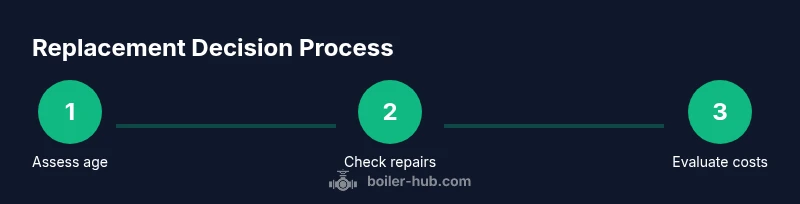
Approach replacement decision with a simple cost-benefit framework. Gather quotes for a new boiler and for typical major repairs you’ve faced in the last year. Compare the sum of known repair costs and the likelihood of further problems against the installation price of a new, high-efficiency model. Consider the non-monetary benefits: improved comfort, better reliability, and enhanced safety. If the projected costs of ongoing repairs approach or exceed the replacement quote over a reasonable window, replacement is a prudent choice. Boiler Hub recommends requesting a detailed breakdown from contractors, including equipment, labor, permit fees, and any necessary changes to piping or venting, so you can compare apples to apples.
Safety considerations and professional input
Gas-fired boilers require careful handling and proper venting. If there is any doubt about carbon monoxide risk, combustion safety, or vent integrity, stop using the unit and schedule a professional assessment immediately. Install and maintain working CO detectors in the home, and ensure regular servicing from a licensed heating technician. Local codes may require permits for replacement and installation; a pro will handle these correctly and ensure the system complies with current standards. Safety first: a new boiler is not just a comfort upgrade—it's a safety upgrade when the old system shows signs of deterioration.
Choosing the right replacement boiler
When you decide to replace, choose a model that fits your home’s heating and hot-water needs. Options include compact combi boilers, system boilers, and conventional boilers, each with different piping requirements and heat delivery profiles. Prioritize high-quality components, reliable service support, and a warranty that matches your usage. Consider whether you want better zoning, faster hot water, or quieter operation, and confirm that the installation plan includes proper venting and flue size. An energy-literate installer can help you select models that deliver stronger performance for years to come.
What to expect during installation
A boiler replacement typically involves removing the old unit, connecting the new boiler, and establishing correct venting, gas supply, and water connections. Scheduling may require a planning phase for permits and potential system upgrades to match the new boiler’s requirements. Expect a disruption to heating and hot water for a portion of the installation, usually within a single day for a straightforward replacement. The installer should test safety controls, ensure optimal burner settings, and provide operation instructions. Confirm cleanup and disposal of the old unit as part of the service.
Practical steps you can take now
Start by gathering maintenance records and the boiler’s model details. Note any recurring issues, keep a log of recent repair costs, and request quotes for replacement from multiple qualified contractors. Check local regulations on permits and schedule inspections as needed. If you’re unsure, contact Boiler Hub for guidance on qualified installers and energy-efficient options. Keep CO and smoke detectors tested and on a regular schedule to maintain safety while you plan.
Main topic query and Wikidata lookup
Boiler replacement
FAQ section preview
Tools & Materials
- Maintenance records(Last service date, repair bills, parts replaced)
- Digital/Infrared thermometer(To check supply/return temperatures when possible)
- Flashlight(To inspect cabinet, vent connections, and flue)
- CO detector(Ensure working; test regularly)
- Notepad and pen(Record observations and quotes)
- Camera or smartphone(Document condition for quotes)
Steps
Estimated time: 2-4 hours
- 1
Gather information
Collect maintenance history, model numbers, and recent repair invoices. This establishes baseline condition and helps forecast future needs. Recording the date and scope of last service provides a reference point for evaluating remaining life.
Tip: Have the boiler manual and manufacturer warranty handy for reference. - 2
Inspect the boiler area
With the system off, visually inspect for corrosion, leaks, damp patches, and signs of wear around connections. Check the venting for blockages and ensure the flue is clear. Note any odd noises during prior operation and document the issue.
Tip: Never touch gas lines or venting while the system is live; if you detect a gas smell, evacuate and call emergency services. - 3
Evaluate performance and safety
Assess heat distribution, comfort levels, and hot-water availability. Verify CO detectors are functioning and test safety devices if you are trained to do so. Record recurring heat issues or failures that disrupt daily use.
Tip: If you notice persistent cold spots or inconsistent hot water, list them as repair considerations. - 4
Get quotes and compare
Request written quotes for a replacement and for major repairs from multiple licensed technicians. Compare equipment quality, installation scope, warranty terms, and expected downtime. Use a side-by-side cost view rather than rough estimates.
Tip: Ask for a single, clear total installation price including permits and disposal. - 5
Weigh repair vs replacement
Consider the boiler’s age, reliability, and the predicted lifetime of a replacement. Evaluate long-term energy costs with a newer unit against ongoing repair expenses. Choose the option that offers better comfort, safety, and total cost of ownership.
Tip: Favor plans that include an updated venting strategy and proper combustion air if needed. - 6
Plan installation and follow-up
Schedule the replacement with a licensed technician, arrange for temporary heat if needed, and review the new system’s controls and maintenance requirements. Verify warranty coverage and request a written maintenance schedule for the future.
Tip: Ask for a post-installation test and a brief walkthrough of safety features.
Questions & Answers
Is it safe to keep using an old boiler?
If you notice signs of corrosion, leaks, or a carbon monoxide risk, stop using the unit and call a licensed technician. Regular safety checks and detectors help protect occupants while you plan.
If you see corrosion or gas smells, shut it down and call a pro. Safety first.
How do I know if repairs are worth it?
Consider how often repairs occur, the total repair cost, and the boiler’s age. If reliability is clearly diminishing, replacement may offer better long-term value.
If repairs pile up and reliability drops, replacement is worth considering.
How long does a boiler replacement take?
Most replacements can be completed in a day, but scheduling, permit requirements, and old-system compatibility can affect timing. Plan for a brief outage of heating and hot water.
Typically about a day, with possible delays for permits.
What type of boiler should I choose?
Options include combi, system, and conventional boilers. The best choice depends on your home size, hot-water needs, and existing piping.
A pro will help match the boiler type to your home’s needs.
Can I replace a boiler myself?
Boiler installation involves gas piping, venting, and pressure considerations. It must be performed by a licensed professional and inspected for safety and codes.
No—gas work is hazardous and requires a licensed installer.
What about warranties and permits?
Check the manufacturer’s warranty and local permit requirements. A licensed installer can ensure proper compliance and documentation.
Warranties and permits are essential; a pro handles them correctly.
Watch Video
Key Points
- Assess both age and condition before deciding.
- Weigh ongoing repair costs against replacement quotes.
- Prioritize safety and proper ventilation in every plan.
- Choose a model that fits your home’s heating and hot-water needs.
- Work with licensed professionals for installation and permits.