What Boiler Do British Gas Install: A Practical Guide
Discover what boiler British Gas installs, including common models, installation steps, and key considerations. A practical Boiler Hub guide for homeowners seeking clarity on combi, system, and regular boilers and how to navigate installation and maintenance.


British Gas typically installs high‑efficiency condensing boilers, with combi and system models being the most common. The exact choice depends on your home size, hot water needs, and existing gas supply. Their installation package usually includes a site survey, removal of the old boiler, new boiler fit, system testing, and commissioning, with warranty options varying by model.
What British Gas typically installs in homes
When homeowners ask about boiler choices, the focus is on high‑efficiency condensing boilers. Across a wide range of properties, combi and system models are the most common configurations because they balance space efficiency with reliable hot water delivery. The exact model is determined after a detailed site survey that considers room for the unit, existing pipework, venting requirements, and current gas supply. In practice, a compact combi boiler can meet daily needs in smaller homes, while a system boiler with a hot water cylinder is advantageous for larger households with higher simultaneous demand. Importantly, British Gas engineers tailor each installation to the property, ensuring safety, reliability, and long‑term performance. The question you asked — what boiler do british gas install — is answered by focusing on efficiency, space, and demand, not one‑size‑fits‑all solutions.
Common boiler types offered by British Gas
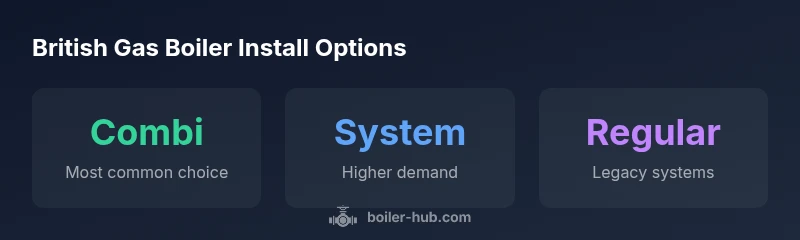
British Gas installations typically fall into three main categories: combi boilers, system boilers, and regular (or conventional) boilers. Combi boilers heat water on demand, offering space savings and quick hot water; system boilers reserve hot water in a cylinder, which helps when multiple outlets may be in use at once; regular boilers partner with a cold-water storage tank and are compatible with older heating systems. Each type has distinct advantages depending on home size, hot water needs, and existing plumbing. The right choice hinges on your floor space, radiator layout, and whether you prefer a stored hot water supply or instantaneous heating. In all cases, energy efficiency and proper venting remain central to the selection.
How installation works with British Gas
The installation process starts with a survey by a Gas Safe‑registered engineer who confirms compatibility, safety, and the best boiler type for your property. After agreeing on the model, the team schedules the removal of the old boiler and the installation of the new unit, including any necessary venting or pipework adjustments. The commissioning phase follows, where tests verify performance, safety, and system integrity, and a safety certificate is issued where required. Throughout, British Gas prioritizes clean work, minimal disruption, and clear communication about what to expect on installation day.
Factors that influence boiler choice
Choice depends on several home‑specific factors. The size and layout of the property, number of bathrooms, and typical hot water usage affect whether a combi, system, or regular boiler is optimal. The existing heating system, the type of gas supply, flue routing, and available space for additional components (like a hot water cylinder) also play a critical role. Environmental goals and potential future needs, such as adding underfloor heating or expanding the radiator network, can steer the decision toward certain models. A professional survey helps translate these considerations into a boiler that delivers reliable heat and efficient energy use.
Efficiency, warranties, and maintenance
Modern boilers are designed for high efficiency and reduced running costs. When British Gas installs a condensing boiler, you gain an energy performance improvement that translates to better warmth per unit of fuel. Warranties vary by model and service package, and most customers can access extended coverage through service plans. Regular maintenance is essential to sustain efficiency, with annual servicing generally recommended to keep safety, efficiency, and performance at peak levels. Discuss warranty terms and service options with your installer to align expectations with long‑term costs and reliability.
Installation timelines and what to expect
A typical installation begins with a customer briefing, followed by on‑site checks and safety verifications. You should expect a window for the work, with the actual fitting and commissioning conducted by qualified engineers. After the new boiler is in place, engineers will run a series of tests to confirm correct operation, venting, and heat delivery. You’ll receive guidance on setup, user controls, and routine maintenance tasks. The goal is a seamless transition that minimizes downtime and maximizes energy efficiency.
Costs and financing options
Costs for a boiler replacement vary based on the model, complexity, and any required ancillary work. Expect that prices will reflect the boiler type selected, installation labour, and warranty levels. Financing options are commonly available through manufacturers or installers, including pay‑as‑you‑go plans or bundled service packages. Always obtain a detailed, written quote that itemizes the boiler, installation, and aftercare so you can compare options and avoid surprises.
Tips for ensuring a safe and efficient installation
- Verify the installer is Gas Safe registered and properly insured. - Confirm the quote includes a full risk assessment, venting checks, and carbon monoxide alarms as required. - Ask about flow rate, hot water delivery, and how the system will operate with your current radiators. - Request a commissioning checklist and a post‑install service schedule. - Consider extended warranty or maintenance plans to protect your investment. By planning ahead, you reduce risk and improve long‑term performance.
Practical next steps for homeowners
If you’re weighing a boiler replacement, start with a no‑pressure site visit from a Boiler Hub‑backed guide to gather options. Compare combi, system, and regular models in the context of your home’s water use, space, and future plans. Ensure you receive a clear installation timeline, a written warranty, and a maintenance plan. With the right boiler and a professional installation, you gain reliable warmth and lower annual energy costs.
Comparison of common boiler types installed by British Gas
| Boiler Type | Key Benefit | Installation Considerations |
|---|---|---|
| Combi boiler | Instant hot water; space-saving | Best for small to mid-sized homes |
| System boiler | Hot water stored in a cylinder; robust for higher demand | Ideal for larger homes with multiple outlets |
| Regular boiler | Legacy compatibility with storage tank | Requires space and compatible piping |
Questions & Answers
What boiler options does British Gas install?
British Gas installs combi, system, and regular boilers depending on home size, water demand, and existing plumbing. An engineer assesses which setup offers the best balance of efficiency and practicality.
British Gas offers combi, system, and regular boilers based on your home; a survey helps pick the right option.
Are combi boilers the default choice?
Combi boilers are very common for many homes due to space saving and immediate hot water. The engineer may recommend an alternative if you have high hot water demand or existing storage.
Combi boilers are common, but a system or regular boiler may be better for larger homes.
Do they install regular boilers?
Yes, if your home has a stored hot water system or older plumbing. British Gas will assess compatibility and venting requirements before installation.
Yes, regular boilers are installed when your home needs a stored hot water system.
What maintenance comes after installation?
After installation, expect a commissioning check, safety testing, and guidance on servicing. Regular professional service helps maintain efficiency and safety.
You’ll get a safety check and service guidance after install.
How long does installation take?
Typical install times vary by boiler type and home layout. Most projects are completed within a day, but complex setups can take longer.
Most installations finish in a day, but some take longer.
Can I install a boiler if I rent my home?
Yes, but restrictions may apply. Landlords often require a Gas Safe certified installer and proper safety certificates.
Yes, but check tenancy rules and ensure a Gas Safe certificate.
“Choosing the right boiler isn't just about upfront cost; it's about matching your home's demand, fuel type, and long‑term energy goals. A proper boiler installation ensures safety, efficiency, and reliable heat.”
Key Points
- British Gas installs combi, system, and regular boilers.
- A pre-install survey determines the best boiler type.
- Efficiency and safety are central to every installation.
- Warranty and maintenance plans vary by model and region.
- Ask for a clear installation timeline and post-install support.