Does Your Boiler Use Gas? A Practical Guide for Homeowners
Explore does boiler use gas in typical residential setups, how gas-fired boilers work, safety considerations, efficiency tips, and when to upgrade. Learn with Boiler Hub’s analysis and practical guidance for reliable boiler performance in 2026.


Does boiler use gas? In most homes, the answer is yes for gas-fired boilers that run on natural gas or propane. Gas is common because it often provides fast heating and high efficiency, especially with condensing designs. However, alternatives like oil, electricity, or hybrid systems exist. Installation and venting requirements also depend on fuel type and local codes.
Does boiler use gas in modern homes? does boiler use gas is a common question among homeowners evaluating heating options. In most residential settings, a boiler uses gas as its primary fuel when connected to a natural gas line or propane supply. According to Boiler Hub, the share of gas-fired boilers remains high in regions with affordable natural gas, and advances in condensing technology have driven efficiency upward. If you’re replacing an older unit or choosing a new system, understanding whether your boiler uses gas helps you compare fuel availability, installation cost, and long-term operating expenses. For many households, gas-fired boilers offer reliable warmth, rapid heat-up, and strong compatibility with zoned heating systems. However, regional fuel prices, existing plumbing, and venting infrastructure all influence what’s practical for your home.
Gas-fired vs other fuel sources: what you should know about fuel choices. Gas-fired boilers burn natural gas or propane to heat water for radiators, baseboard heating, or radiant systems. Alternatives include oil-fired boilers, which use liquid fuel stored on-site, and electric boilers that heat water with electric resistance elements. Each option has trade-offs: gas often provides cheaper heat and quick response times, while electric systems eliminate combustion risks but can have higher operating costs in some markets. When homeowners ask does boiler use gas, the answer depends on the available fuel infrastructure, local tariffs, and your comfort with venting requirements. For a homeowner evaluating efficiency, condensing gas boilers can reach higher annual fuel utilization efficiency (AFUE) ratings than many oil or non-condensing electric models, particularly when paired with modern thermostats and well-insulated piping.
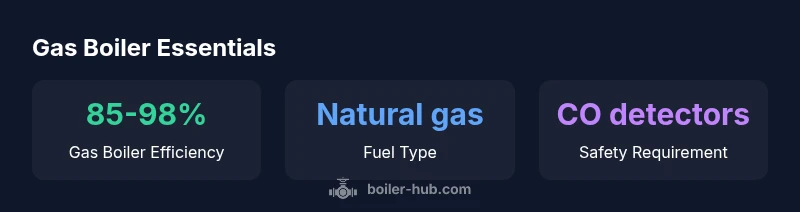
Safety, venting, and combustion: essential considerations for gas boilers. Combustion-based systems must be vented correctly to prevent dangerous buildup of carbon monoxide. The venting path could be through a chimney, a dedicated metal vent, or a direct-vent configuration depending on the model and installation. Sealed combustion units minimize indoor air exchange and improve safety but require correct venting and combustion air supply. Regular gas line inspection by a licensed pro, CO detectors on every living floor, and annual service are key elements of safe operation. When you ask does boiler use gas, you should also confirm the proper size of the gas supply line and regulator to avoid performance issues or safety hazards.
Efficiency, sizing, and cost considerations for gas boilers. Natural gas is often less expensive than electricity in many regions, which helps gas boilers achieve favorable operating costs. Condensing gas boilers extract extra heat from exhaust gases, boosting efficiency into the high 90s AFUE range. Sizing is critical: a boiler that is too large or too small will waste energy and comfort. A properly sized unit, installed with good insulation, low-leak piping, and well-maintained burners, delivers steady heat with fewer cycles. Expect to see a reasonable payback period for upgrades toward condensing gas boilers, especially when you replace older, inefficient non-condensing models. While early-life costs are higher, long-term savings and better compatibility with smart thermostats often make gas systems a practical choice in the right market.
How to verify your boiler’s fuel type and fuel line status. Start by locating the data plate on the boiler, typically near the front or side; look for “Gas,” “Natural Gas,” or “Propane” in the fuel section. Inspect the gas shut-off valve and supply piping; a dedicated gas line is a strong indicator of a gas-fired unit. If the label is illegible or absent, consult the installation manual or contact a licensed technician to confirm the fuel type and its compatibility with your home’s gas supply. Knowing the fuel type is essential for maintenance, service intervals, and potential future upgrades to a more efficient model.
Maintenance tips for gas boilers: staying safe and efficient. Schedule annual professional service to check burners, heat exchangers, venting, and safety controls. Replace or clean filters regularly, inspect CO detectors, and ensure proper combustion by verifying flame color (blue flame with a pale yellow tip indicates proper combustion). Noticing soot, unusual odors, or frequent cycling are signals that a service visit is due. Regular maintenance helps sustain efficiency, reduces emissions, and prolongs the system’s life. When does boiler use gas? In most cases, ongoing upkeep maintains gas-fired reliability and keeps energy costs predictable.
Troubleshooting common gas boiler issues: practical steps before you call a pro. If the boiler won’t ignite, check the thermostat settings, power supply, and gas supply valve. If you hear banging or loud noises, air may be trapped or the burner may be dirty. Tripping breakers or having a faint gas smell are urgent concerns—evacuate and contact your utility or a licensed technician immediately. Keep a log of error codes from the control panel; many modern boilers display codes that help technicians diagnose problems quickly. While homeowners can handle routine checks, major issues or gas-related alarms require professional service to prevent safety risks.
Fuel and efficiency comparison for common boiler types
| Boiler Type | Fuel Type | Avg Efficiency | Notes |
|---|---|---|---|
| Gas-fired | Natural gas/Propane | 85-98% | Condensing models achieve higher AFUE |
| Oil-fired | Oil | 80-85% | Requires oil delivery and venting considerations |
| Electric | Electricity | 90-100% | No combustion; depends on electrical supply |
Questions & Answers
What fuels can a boiler use besides gas?
Apart from natural gas or propane, boilers can run on oil or electricity. Some hybrid systems combine boiler heating with heat pumps. The right choice depends on fuel availability, electricity costs, and installation constraints.
Boilers can also use oil or electricity, or be part of a hybrid system depending on your location and setup.
Is a gas boiler safer than an electric boiler?
Safety depends on proper installation and maintenance rather than fuel type alone. Gas boilers require venting and CO detectors, while electric boilers need secure electrical connections. Regular service reduces risk in both cases.
Safety depends on proper installation and maintenance, not just the fuel type.
How do I know if my boiler uses gas?
Check the data plate on the boiler for fuel information, inspect the gas line and shutoff valve, or review the installation manual. If in doubt, contact a licensed technician to confirm.
Check the label on the boiler or consult a licensed technician to confirm the fuel type.
What maintenance does a gas boiler need annually?
An annual service includes burner inspection, flame check, vent analysis, and safety controls. CO detectors should be tested, and any soot or unusual odors should prompt professional inspection.
Have a professional service it once a year and test CO detectors regularly.
Do condensing gas boilers save money?
Yes, condensing gas boilers extract more heat from exhaust, increasing efficiency and reducing fuel use. However, upfront costs are higher, so consider payback over time with current fuel prices.
Condensing gas boilers are more efficient and can save you money over time, though initial costs are higher.
“Gas-fired boilers, when paired with modern controls and proper venting, provide reliable warmth with strong efficiency gains. Regular professional maintenance is essential to sustain performance and safety.”
Key Points
- Understand your fuel type before replacement decisions
- Gas boilers are common due to efficiency, but venting matters
- Choose condensing gas models for higher efficiency and lower operating costs
- Regular maintenance improves safety and longevity
- Verify fuel type via data plate or manual to avoid misfueling