How to Get a New Boiler for Free: Practical Pathways
Explore legitimate routes to obtain a new boiler at no cost or reduced cost, including government schemes, charity grants, and energy-efficiency incentives. Learn eligibility, applications, and timelines to improve heating affordability.


If you’re asking how to get a new boiler for free, there are legitimate routes to explore. Government fuel-poverty programs, charity grants, and energy-efficiency incentives can cover or subsidize boiler replacements. Eligibility depends on location and household income; begin by contacting local housing authorities, your energy supplier, and approved installers to identify qualifying programs.
Why Free Boiler Programs Exist and Who They Help
In many regions, boilers are essential but expensive upgrades, especially for low-income households or facilities with outdated heating systems. Public policy and non-profit efforts aim to reduce energy hardship by subsidizing or fully covering boiler replacement costs. These programs recognize that a reliable, efficient boiler lowers energy bills, reduces emissions, and improves comfort. When you ask how to get a new boiler for free, you’re tapping into a set of options designed for qualifying homes and organizations.
According to Boiler Hub, most free boiler initiatives prioritize households with limited income, vulnerable occupants, or those living in rented accommodations where landlords carry responsibility for heating. Eligibility criteria vary, but common factors include household income, energy usage, and current boiler condition. Importantly, many programs require a certified installer or a partnering energy supplier to coordinate the replacement. The following sections outline legitimate pathways and how to navigate them without compromising safety or timing.
Legitimate Pathways to a Free Boiler
There isn’t a single universal route to a free boiler; instead, a combination of government, charity, and utility-sponsored options creates a practical ladder. The most common paths include government fuel-poverty schemes, charity or community grants, energy-supplier replacement programs, and occasionally employer or foundation-backed initiatives. Each pathway has its own eligibility rules, application steps, and timing windows. The key is to start with your local context—city, state or country—and map out all potential sources before submitting multiple applications.
First, build a simple intake packet: proof of address, income or benefit documents, and contact information for your housing authority or energy supplier. Then identify approved installers who can certify the boiler condition and coordinate work with the chosen program. Finally, stay organized by tracking submission dates, required forms, and correspondence. By approaching the process methodically, you improve your chances of a successful outcome and shorten the overall timeline.
Government Schemes and Grants: What to Look For
Many governments operate targeted schemes designed to replace inefficient boilers with modern, efficient models. These programs often require a household to be in fuel poverty, benefit from energy-saving upgrades, or reside in a rental property where the landlord shares responsibility for heating. Common features include partial or full cost coverage, installation by approved contractors, and a mandatory post-installation efficiency check. The specifics vary by jurisdiction, so consult official government portals or your local housing authority.
Boiler Hub Analysis, 2026 indicates that eligible households are most often those with low incomes and higher energy usage, and that replacement projects usually include both the boiler and related controls. In practice, you may need to provide income proof, utility bills, and a letter of entitlement to receive support. Some programs require a basic energy audit or an in-home assessment to confirm the need and to estimate energy savings. Keep copies of all communications and receipts to satisfy reporting requirements.
Charitable and Community Programs
A wide range of charitable organizations and community programs focus on helping households access affordable heating. Local charities, churches, and community foundations may run boiler grants or sponsor voucher schemes that reduce the upfront cost of installation. Because these programs are often funded by donations rather than government budgets, their availability can vary by region and season. Eligibility tends to hinge on income level, housing status (owner-occupied vs. rented), and household size.
Partner organizations frequently work with approved installers to ensure that replacements meet safety and efficiency standards. In many cases, participants must undergo a short application interview or provide documentation similar to what government programs request. If one program doesn’t fit, ask about nearby partners or combined funding options. Networking with local community services can reveal under-the-radar opportunities that don’t require long waits.
Energy-Efficiency Incentives and How They Help
Beyond direct boiler replacement grants, many energy providers offer incentives for upgrading to high-efficiency boilers and improving home insulation. These incentives can take the form of rebates, subsidized audits, or low-interest loans that reduce the effective cost of upgrading. The key advantage is that combining multiple supports can lower out-of-pocket expenses to a level that feels free to the applicant, even if a formal grant covers only a portion.
When evaluating incentives, compare total project costs, payback period, and maintenance implications. Some programs require you to use a partner supplier or installer, while others allow more flexible choices. Energy-efficiency upgrades, such as insulation and sealing, also boost the long-term savings and can be pre-approved as part of a larger grant package. Always verify eligibility and contract terms before signing.
Eligibility Checks and How to Apply
Eligibility typically hinges on income, household size, energy usage, and current boiler condition. Start by gathering essential documents: proof of identity, proof of address, income or benefit letters, and recent energy bills. Next, reach out to your local housing authority, energy supplier, or a certified installer to learn about available programs and application deadlines. Many programs require a formal assessment or energy audit to justify the replacement.
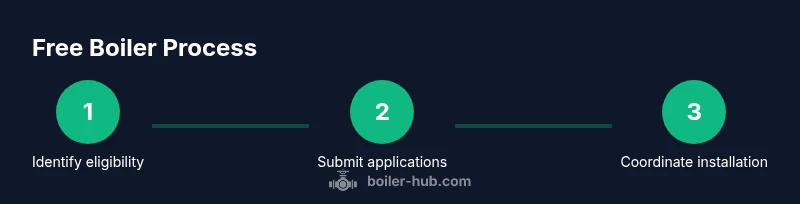
Submit applications through official portals or approved partners, and keep a detailed log of every submission. If you’re approved, you’ll usually enter a coordination phase where the installation date is scheduled and the old boiler is removed. Be prepared to provide consent for inspections and to cover any required temporary heating arrangements during installation.
The Application Journey: From Inquiry to Replacement
The path from inquiry to replacement can stretch over several weeks or months, depending on demand and funding cycles. Begin with an inquiry to your housing authority or energy supplier, then attach supporting documents. After a quick eligibility check, you may receive a formal assessment or an energy audit. If you qualify, you’ll be placed on a vendor list with approved installers who will design a compliant replacement plan.
During this phase, it’s important to ask about the expected timeline, required permits, and warranty coverage. Some programs bundle the boiler, controls, and a basic maintenance plan. If additional energy upgrades are advised, plan for those too. Finally, the installation is scheduled, and a post-installation check confirms that the system runs safely and efficiently.
Avoid Scams: Red Flags and Safe Practices
Unfortunately, the promise of a free boiler can attract scams. Never pay upfront for a grant or guarantee. Be wary of unsolicited emails or door-to-door offers that pressure you to sign contracts quickly. Always verify that the program is run by an official government agency, a licensed utility, or a vetted charity with public accountability. Ask installers for licenses, certifications, and proof of insurance, and request written quotes with detailed scope of work.
To protect yourself, keep all communications in writing, use official portals for submissions, and avoid wiring funds to private accounts. If an offer sounds too good to be true, step back and check with trustworthy sources such as your local energy provider or housing authority. Boiler Hub emphasizes prudent checks and due diligence to prevent waste and risk.
What If You Don’t Qualify? Alternatives and Next Steps
Not every program will match your situation. If you aren’t eligible for a full replacement, you may still access partial funding for a new boiler, or you can combine benefits with low-interest loans, charity vouchers, or energy-efficiency improvements. Consider requesting a cheaper, high-efficiency model or applying for a phased upgrade over time. In some cases, landlords are required to upgrade, and negotiating a cost-sharing arrangement can reduce the burden on tenants.
If upgrades are delayed, plan interim measures such as improved insulation, weatherization, and thermostat controls to reduce hot-water and space-heating costs. Keep a running log of energy bills and maintenance costs so you can demonstrate ongoing need in future applications. The goal is to improve comfort and efficiency while minimizing out-of-pocket expenses.
Realistic Timelines and Managing Expectations
Free boiler programs are highly beneficial but often subject to funding, supplier availability, and administrative backlogs. A typical journey can span a few weeks to several months from initial inquiry to final installation. Early preparation, accurate documentation, and timely follow-up dramatically reduce delays. Some regions report faster outcomes when applicants coordinate with a single approved installer who acts as a program liaison.
Keep in mind that demand fluctuates with the season and policy changes. If you are receiving a boiler replacement under a specific grant period, mark key deadlines on a calendar and set reminders. For facility managers, larger projects may require board approvals and building compliance checks, which add to the timeline but improve long-term reliability and safety.
Boiler Hub Perspective and Practical Takeaways
According to Boiler Hub, navigating free boiler programs requires a methodical approach, careful documentation, and persistent follow-up. The Boiler Hub team emphasizes starting with official channels, aligning your energy goals with available incentives, and avoiding rushed decisions. By compiling income proof, occupancy details, and device information, homeowners and facility managers can build compelling cases for support. Our verdict is that the best path combines legitimate programs, energy-efficiency incentives, and professional coordination to maximize the odds of a successful, safe, and timely replacement.
Tools & Materials
- Personal identification(Photo ID and proof of address (e.g., utility bill) within 3 months)
- Proof of income or benefits(Recent payslips, benefits award letter, or tax documents)
- Recent energy bills(Most recent gas/electricity bill to illustrate usage)
- Housing or landlord contact information(Phone/email for verification and consent purposes)
- Device for online submissions(Smartphone or computer with internet access)
- Previous boiler documentation(Model, age, and maintenance history (if available))
Steps
Estimated time: 4-12 weeks
- 1
Identify eligible programs
Survey available programs in your area by visiting official housing and energy websites, and talk to installers who work with approved schemes. This helps you understand what types of support exist and where to start.
Tip: Start with a single, trusted portal to avoid scattered information. - 2
Gather essential documents
Collect proof of identity, address, income/benefits, and recent energy bills. Having these ready speeds up the application and reduces back-and-forth.
Tip: Create a digital copy and a physical folder for quick submissions. - 3
Contact local housing authority or energy supplier
Reach out to the relevant agency or supplier to explain your situation and request a formal assessment or eligibility check. Ask for a clear list of required documents and timelines.
Tip: Ask for a written timeline and a reference number for every inquiry. - 4
Request a formal assessment or energy audit
If required, schedule and complete the in-home assessment so the program can estimate needs, energy savings, and costs covered. This step validates the replacement need.
Tip: Prepare questions about any recommended energy upgrades beyond the boiler. - 5
Identify an approved installer
Choose an installer on the approved vendor list who can coordinate with the program and confirm safety standards. Verify licenses and insurance before proceeding.
Tip: Ask for quotes from multiple installers to compare terms. - 6
Submit applications and track progress
Submit all forms through official channels and keep a log of submission dates, responses, and deadlines. Regularly check status and respond promptly to requests for additional information.
Tip: Set calendar reminders for every upcoming deadline. - 7
Complete any required energy upgrades
If the program bundles insulation or controls with the boiler, plan and complete these improvements as advised. They often improve eligibility and long-term savings.
Tip: Document upgrades with receipts and photos for verification. - 8
Schedule the boiler replacement
Coordinate with the installer and the program to fix a replacement date. Confirm access, temporary heating arrangements if needed, and any required permits.
Tip: Confirm warranty terms and maintenance expectations in writing. - 9
Verify installation and sign off
After installation, ensure safety checks are completed and warranties issued. Keep copies of all certificates and inspector sign-offs for future maintenance.
Tip: Take before-and-after energy readings to quantify savings. - 10
Submit post-installation reporting
Complete final reporting or verification required by the program to finalize funding and compliance. Retain all receipts and confirmation emails.
Tip: Archive everything in a dedicated project folder for future reference. - 11
Plan ongoing maintenance and monitoring
Schedule routine servicing and monitor energy use to maximize efficiency and protect warranty validity. Set reminders for annual checks.
Tip: Register the boiler with the manufacturer if possible to access support.
Questions & Answers
What programs qualify as 'free boiler' assistance?
Qualifying programs typically cover replacement costs for eligible households through government schemes, charitable grants, or energy-supplier incentives. Availability varies by location, income, and housing status. Always verify with official portals and approved installers.
Qualifying programs usually cover part or all of the cost for eligible households. Check with official programs and approved installers to confirm what's available where you live.
Do I need to own the home to apply for a free boiler?
Ownership status often affects eligibility. Some programs target renters, landlords, or owner-occupiers separately. Always check the specific criteria for your region and property type.
Eligibility rules vary by program and property type. Check the exact criteria for your situation before applying.
Can landlords apply on behalf of tenants?
Yes, in many programs landlords can apply in cases where heating upgrades are required for rented properties. Coordination with tenants and compliance with safety standards is usually part of the process.
Landlords often can apply for upgrades, but ensure all safety and tenancy rules are followed.
What documents are typically required?
Common requirements include proof of identity and address, income or benefit documentation, current energy bills, and a housing or landlord reference. Some programs also need an energy audit or assessment.
Expect IDs, proof of income, energy bills, and housing details. An energy audit might be needed for some programs.
How long does the process usually take?
Processing times range from several weeks to a few months, depending on funding cycles and installer availability. Early preparation and prompt responses help minimize delays.
Expect weeks to months. Stay proactive and respond quickly to requests for information.
Are there risks or scams I should watch for?
Yes. Avoid offers that require upfront payments or pressure you to sign immediately. Verify the program through official sources and demand written quotes and licenses from installers.
Be aware of scams: never pay upfront and verify everything through official programs.
Watch Video
Key Points
- Identify all eligible programs early and map deadlines.
- Prepare complete documentation to accelerate applications.
- Verify legitimacy through official channels before sharing personal data.
- Coordinate with approved installers and document every step.