How to Apply for a Boiler Grant: A Practical Step-by-Step Guide
Learn how to apply for a boiler grant with a practical, step-by-step process. Get eligibility tips, gather the right documents, and improve your approval odds.


Ready to apply for a boiler grant? This guide walks you through eligibility checks, document gathering, program selection, and the submission steps. It outlines a practical 6-step process for homeowners and facility managers, with timelines and common pitfalls. According to Boiler Hub Analysis, grant programs vary by region and requirements.
What a boiler grant is and why it matters
Boiler grants are financial assistance programs designed to help homeowners and facility managers cover part of the cost to install, upgrade, or replace a boiler. They are offered by federal agencies, state energy offices, utilities, and non-profit organizations. The goal is to improve energy efficiency, reduce fuel costs, and lower greenhouse gas emissions. The Boiler Hub Analysis shows these programs vary widely by region, program type, and qualification criteria, so it’s essential to start by identifying the options that apply to your location. This Boiler Hub guide provides practical steps to determine eligibility, collect the right documents, and submit a strong application in 2026.
Who can qualify and common eligibility requirements
Eligibility for boiler grants typically depends on ownership status, property type, energy needs, and income level. Many programs target primary residences, small businesses, and nonprofit facilities with energy-burden or high heat costs. Some grants require that the boiler be old or inefficient and that replacement will yield measurable energy savings. Because every program is different, you should check the official criteria for your region. The Boiler Hub Team notes that even if you don’t meet income limits, there may be alternative pathways through contractor-based programs or efficiency incentives. Always verify that your installation is compliant with local safety standards and building codes before applying.
How boiler grant programs are structured
Programs can take many forms: direct grants, vouchers, rebates, or low-interest loans. Some cover installation costs only, while others provide ongoing incentives tied to energy savings. Application processes range from simple online forms to multi-step reviews with site verification. Review timelines vary widely, and some programs require follow-up inspections after installation. Understanding the structure helps you plan budgets and coordinate with contractors. Boiler Hub emphasizes reviewing both eligibility and long-term value, not just upfront costs.
How to find and compare programs
Start by looking at federal or state energy offices, utility companies, and local government portals. Use trusted search terms like boiler grant program, energy efficiency funding, or home improvement grant in your area. Compile a short list of programs that seem relevant, then read the official checklists, restrictions, and any caps on funding. For outreach and advice, consult Boiler Hub resources and compare requirements, eligible boiler types, and processing times. Remember that program availability can change quarterly, so bookmark key pages and set reminders.
Documents and information you’ll need
Most boiler grant applications require proof of identity, property occupancy or ownership, and boiler details. You’ll likely need recent energy bills or heating data, a construction or contractor estimate, and documentation of household income or benefits, if applicable. Gather contact information for your boiler installer, as many programs require project details and a verification of replacement. Create clear scans or PDFs of each document, and label files to match the program’s checklist. Having everything organized speeds up the submission and reduces back-and-forth inquiries.
Step-by-step overview of the application process
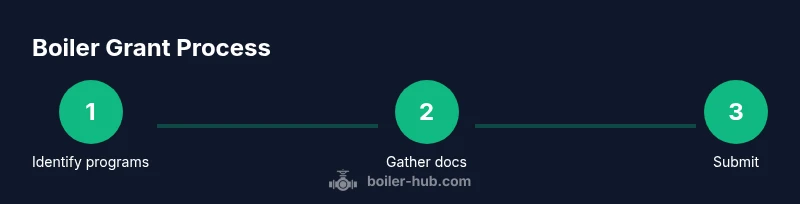
The typical path includes researching eligible programs, collecting documents, and submitting an online application. You’ll often create an account on a program portal, fill in owner and property details, attach supporting files, and review the submission for accuracy before sending. After submission, keep your confirmation number handy and monitor the status regularly. If additional information is requested, respond promptly to avoid delays. Lastly, if approved, plan the installation with your contractor and the program administrator, ensuring compliance with any reporting requirements.
Tips for speeding up the review and avoiding delays
Pro tip: apply as early as possible and double-check every field for consistency. Typos, wrong boiler model numbers, or mismatched documents are common causes of delays. Use checklists and upload clearly legible scans. Verify the program’s deadlines and ensure your account stays active. If you’re unsure about eligibility, contact program staff directly—document all communications for future reference. Boiler Hub suggests keeping a folder with program updates and response times to stay organized.
What happens after you apply: decisions, installation, and reporting
When you receive a decision, read approval notes carefully to understand any conditions, reporting obligations, or required inspections. If approved, you’ll coordinate installation with your chosen contractor and the program administrator. You may need to submit post-installation documentation or energy-use data to verify the savings. If a request is denied, review the reasons, appeal if allowed, and consider alternate programs or contractor-led options. Boiler Hub highlights the importance of documenting all milestones to avoid gaps in coverage.
Local considerations: utilities, city programs, and privacy
Programs differ by city, county, and utility district. Some utilities offer bundled energy-efficiency incentives or low-interest loans alongside grants, while others focus on income-based support. Always verify privacy and data sharing policies, since submissions may include sensitive information. If you live in a rental property, explore landlord participation requirements or tenant-enabling programs. Staying informed about local policy changes will help you apply more confidently and protect against last-minute program closures.
Tools & Materials
- Photo ID (e.g., driver’s license or passport)(Required for identity verification)
- Proof of property ownership or occupancy(Deed, lease, or mortgage statement; utility bill may be accepted in some cases)
- Recent boiler information (make/model, age)(Helpful for confirming eligibility and installation impact)
- Recent energy bill or heating data(Shows energy use and potential savings)
- Proof of income or benefits (if required by program)(Check program-specific criteria)
- Program application forms and portal login details(Store credentials securely)
- Contractor estimate or quote (if requested)(Supports installation cost information)
- Digital copies of all documents (PDF/JPG)(Ensure legibility and proper labeling)
- Pen, paper, and a notetaking app(Track deadlines and contacts)
Steps
Estimated time: 2-6 weeks
- 1
Identify eligible programs
Research all applicable boiler grant programs in your area, including federal, state, utility, and nonprofit options. Note each program’s scope, geographic limits, and target applicants. Create a quick list of likely matches to compare side-by-side.
Tip: Start with official government portals and utility websites to avoid scams. - 2
Gather required documents
Collect identity documents, proof of residency or ownership, boiler details, income evidence (if required), and any contractor estimates. Organize them in a labeled folder so you can attach everything quickly.
Tip: Scan documents at high resolution and save as PDFs. - 3
Create or update your program account
Many programs require an online account. Create one or update your existing profile, and verify contact information. This is often the gateway to submitting applications.
Tip: Use a dedicated email for grant communications and enable two-factor authentication. - 4
Complete the application form
Fill in owner and property details, boiler specifications, and eligibility questions. Double-check every field for accuracy to prevent delays caused by simple errors.
Tip: Print a copy of the completed form for your records. - 5
Attach supporting documents
Upload documents in the required formats (PDF/JPG) and ensure filenames match the program’s checklist. Include any contractor estimates if requested.
Tip: Keep file sizes reasonable to avoid upload errors. - 6
Submit and confirm receipt
Submit the application and save the confirmation number or email. Some portals provide a submission checklist—use it to verify you completed all steps.
Tip: Take a screenshot of the confirmation and note the submission timestamp. - 7
Track status and respond to requests
Regularly log in to monitor progress. If the agency requests additional documents, respond quickly to avoid processing delays.
Tip: Set reminders for follow-up deadlines. - 8
Prepare for verification or inspection
Some programs require on-site checks or energy assessments. Ensure access to the boiler room and provide any requested safety documentation.
Tip: Arrange access in advance and coordinate with your installer. - 9
Coordinate installation and post-install reporting
If approved, schedule installation with your contractor and submit any post-install documentation required by the program. Keep records of warranties and energy data for post-install reporting.
Tip: Keep a folder with all milestones and receipts for audits.
Questions & Answers
What is a boiler grant and who can apply?
A boiler grant is financial assistance to cover part of the cost of installing or upgrading a boiler. Eligibility varies by program and location, and may target homeowners, landlords, or nonprofits depending on the program rules.
A boiler grant provides funding for boiler installation or replacement; eligibility depends on location and program rules.
Do I have to own the home to apply?
Most programs require property ownership or long-term occupancy, but some offer pathways for renters through landlord partnerships. Check the specific program’s criteria.
Ownership or long-term occupancy is usually required, but some programs support renters via landlord partnerships.
What documents are typically required?
Common requirements include proof of identity, property occupancy or ownership, energy bills, boiler details, and income documentation if required. Always consult the program’s official checklist.
Typically you’ll need ID, occupancy proof, energy bills, boiler details, and income documents if required.
How long does the approval process take?
Processing times vary by program. Some programs respond within weeks, others take longer. Submitting complete, accurate information helps speed things up.
Approval times differ; be prepared for a multi-week process and stay responsive.
Can I apply for multiple boiler grant programs at once?
Some programs allow concurrent applications, but you must follow each program’s rules. Check for restrictions to avoid conflicts or duplicate funding.
Yes, but verify each program’s rules; some may limit concurrent applications.
What happens after approval?
You’ll coordinate installation with a contractor and submit any required post-install documentation. Keep records of warranties and energy data for verification.
Approval leads to installation steps and post-install reporting; keep all records.
Watch Video
Key Points
- Check eligibility early for local programs
- Gather documents and organize them by program
- Submit complete, accurate applications
- Track status and respond promptly
- Coordinate installation if approved