How Much Does a New Boiler Cost in the UK in 2026
Discover realistic installed boiler costs in the UK for 2026, what drives price, and practical budgeting tips from Boiler Hub to help homeowners and facilities plan ahead.


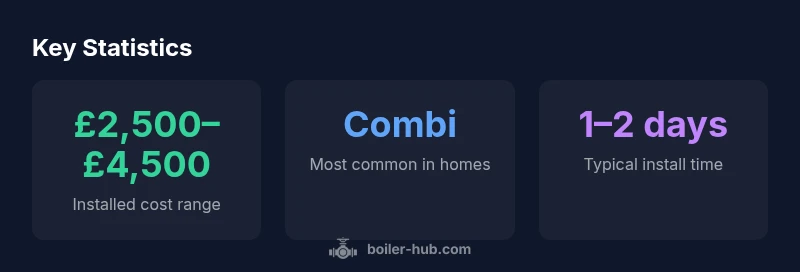
According to Boiler Hub Analysis, 2026, the installed cost of a new boiler in the UK typically ranges from £2,500 to £4,500, depending on boiler type, size, and installation complexity. Lower upfront costs usually come from combi boilers, while system or heat-only setups with more extensive pipework or radiators push prices higher. Regional labour rates can also influence final quotes.
How Much Does a New Boiler Cost in the UK in 2026
The price you pay to replace a boiler in the UK depends on multiple factors, from the type and size of the unit to the complexity of the installation and regional labour rates. At Boiler Hub, we examine current market dynamics and practical budgeting considerations. In 2026, homeowners and facilities managers should plan for a broad installed cost range and avoid focusing on upfront price alone. A high-quality, properly sized boiler installed by a qualified technician often yields lower long‑term running costs and fewer breakdowns, which is especially important for property managers juggling multiple units or rental properties.
Boiler Types and Installed Price Ranges
Choosing the right boiler type is the single biggest lever on total cost. Combi boilers are typically the most affordable upfront option and are well-suited for small to medium homes with moderate hot water needs. System boilers and heat‑only models often require additional components like a separate hot water cylinder, which adds to both material and labour costs but can deliver higher hot water reliability in larger homes. When budgeting, compare not only the unit price but also the required ancillary parts, like new radiators, expansion vessels, and 연. Practical guidance from Boiler Hub suggests that the decision should balance upfront price with anticipated energy costs and service life.
What Else Affects the Price Besides the Boiler Itself
The boiler price is only part of the story. Labour rates vary by region and installer experience, and some properties require piping work, chimney or flue work, gas safety checks, and system balancing after installation. If your existing system needs rewiring, radiator upgrades, or a full pipe upgrade, those costs can add hundreds to thousands of pounds. Additional items such as smart thermostats or zone controls add to the total but can improve energy efficiency and comfort. Boiler Hub’s analysis highlights that a well-planned installation reduces future maintenance costs and enhances system longevity.
Regional Differences: Price Variations Across the UK
Across the UK, labour costs differ significantly between regions due to demand, apprenticeship pipelines, and living costs. Northern regions may offer lower labour rates, while metropolitan areas may see higher quotes. When you request multiple quotes, ensure that each includes the same scope of work and product specifications to make an apples‑to‑apples comparison. Homeowners should also consider renewal of flues or upgrading gas lines if required by a new boiler model, which can add to the regional cost variance but may be necessary for safety and compliance.
Hidden Costs and Practical Savings to Consider
Hidden costs often hide in plain sight: removal of an old boiler, disposal of contaminated components, required venting alterations, and the cost of any necessary building work to accommodate the new unit. Savings opportunities include achieving energy‑efficient performance with a modern boiler and selecting smart controls or zoning to reduce waste. If your boiler is aging or inefficient, you may find that a higher upfront investment in an A‑rated model pays back over time via lower gas bills and fewer emergency visits.
How to Get an Accurate Quote Before Replacement
Start by defining your needs: hot water demand, existing system type, and any constraints (loft space, stairs, or access limitations). Collect at least three quotes and ask for a breakdown of parts, labour, disposal, and VAT. Verify the installer’s gas safe registration, warranty terms, and commissioning procedure. For a more accurate projection, ask installers to perform a per‑area heat loss calculation and confirm that the proposed boiler size is appropriate for your home. Boiler Hub recommends a formal site survey for any replacement project to avoid surprises and ensure efficient operation after installation.
Financing, Warranties, and Aftercare
If upfront cost is a concern, discuss financing options with your installer or third‑party lenders. Many providers offer flexible payment terms or subsidised plans to help spread the cost over time. Always read warranty terms and ensure you understand what is covered, the duration, and any maintenance requirements. Regular servicing, typically annually, extends boiler life and preserves efficiency. A well‑maintained boiler is less likely to suffer breakdowns, which reduces unexpected expenditure throughout its life.
Step‑by‑Step Checklist for Replacement Planning
- Confirm current system type and compatibility with a new boiler. 2) Gather three or more quotes with itemised costs. 3) Check energy efficiency rating and ERP compliance. 4) Plan any associated work (radiators, pipework, flue changes). 5) Schedule a site survey and ensure gas safe registration is verified. 6) Decide on controls and smart thermostat options. 7) Review warranty terms and service plan options. 8) Budget for VAT and potential disposal costs. Following this checklist helps ensure a smooth, transparent process.
Energy Efficiency and Long‑Term Costs
New boilers are significantly more energy‑efficient than older models, especially when paired with modern controls and proper zoning. Efficiency improvements translate into lower annual fuel costs and reduced emissions. When comparing quotes, consider the long‑term value: a slightly higher upfront price may be justified by better energy performance, longer service life, and a robust warranty. Boiler Hub emphasizes investing in a reliable installer who can ensure correct sizing, venting, and commissioning for optimal efficiency.
Typical installed cost ranges by boiler type in the UK, 2026
| Boiler Type | Typical Installed Cost Range (GBP) | Notes |
|---|---|---|
| Combi Boiler | 2,500–3,900 | Compact, popular for small to medium homes |
| System Boiler | 3,000–4,800 | Includes hot water cylinder; suitable for higher demand |
| Regular/Heat-Only | 3,000–5,000 | Best with existing cylinder and larger radiator networks |
Questions & Answers
What is the average cost to install a boiler in the UK in 2026?
Costs vary by boiler type, size, and location. Typical installed ranges are summarized in this article, with combi boilers generally cheaper upfront than system or regular boilers. Always compare quotes that itemise parts, labour, and disposal to avoid unexpected charges.
Costs vary by boiler type, size, and location. Compare quotes that itemise parts and labour to avoid surprises.
What factors drive the total price besides the boiler unit itself?
Labour rates, the need for extra piping or upgrading the flue, additional radiators, and upgrading controls can all add to the total. A site survey helps identify these items early so you get an accurate quote.
Labour rates and extra work like piping or flue upgrades can add to the price. A site survey helps you get an accurate quote.
Is VAT charged on boiler installation, and does it vary?
VAT is typically charged on installation work at the standard rate. Some elements may be VAT‑exempt depending on the installer and project scope, so confirm with your contractor.
VAT is usually charged on installation. Confirm whether any parts or services are exempt with your contractor.
Can I finance a boiler replacement?
Many installers offer finance plans or partner with lenders to spread the cost over a term. Review total payable and interest rates, and compare with paying upfront.
Many installers offer finance; compare total cost and interest versus paying upfront.
How long does a boiler installation typically take?
Most boiler replacements take 1–2 days, depending on system type and required upgrades. Complex jobs with radiator changes or flue work can take longer.
Most installs take 1–2 days; additional work may extend the timeline.
Are government grants or subsidies available for boiler replacements?
Subsidies and grants vary by region and program availability. Check current schemes and eligibility with local authorities or trusted installers, and consider energy efficiency grants that may accompany smart controls.
Grants exist but vary by region; check current schemes and eligibility.
“A properly sized boiler installed by a qualified technician delivers reliability and long-term savings, often offsetting higher upfront costs.”
Key Points
- Know your boiler type and size before requesting quotes
- Factor installation complexity and regional labour into the total cost
- Budget for additional parts and building work where needed
- Ask for a full site survey to avoid price surprises
- Consider long-term energy savings when balancing upfront cost