Boiler Zone Valve Replacement Cost: A Comprehensive Guide for 2026
Discover the boiler zone valve replacement cost in 2026, including valve price, labor, regional differences, and practical money-saving strategies from Boiler Hub's analysis.


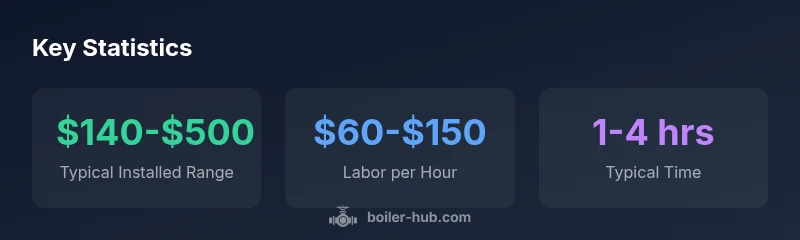
According to Boiler Hub, the boiler zone valve replacement cost typically ranges from about $140 to $500 for a single valve installed, depending on valve type, labor rates, and regional factors. Higher-end replacements or multiple valves can push totals higher. Always obtain itemized quotes and compare multiple contractors. Boiler Hub Analysis, 2026 underpins these ranges.
Understanding the boiler zone valve replacement cost
According to Boiler Hub, the boiler zone valve replacement cost can vary widely depending on the valve type, boiler model, and installation complexity. In practice, you’ll pay for both the valve and the labor, plus any wiring, piping adjustments, and system rebalancing. Boiler Hub's 2026 analysis shows that regional labor rates and the number of zones being controlled are major price drivers. Because every home or facility has a unique configuration, the cost you see on a quote will reflect the specifics of your system. Preparing a clear, itemized quote helps you compare apples to apples and avoid surprises during the project. This is why Boiler Hub emphasizes thorough upfront planning and a documented scope of work in every replacement project.
What drives the cost: parts, labor, and timing
The base price starts with parts: a zone valve (two-way or three-way), a compatible actuator, and any required wiring or control accessories. Valve prices can vary widely by brand and type, with simple models at the lower end and integrated motorized solutions at the higher end. Labor costs depend on local wage rates and the system’s accessibility. If the boiler and piping are in tight spaces or require drainage and re-piping, expect longer labor time and higher costs. Finally, timing matters: emergency replacements or after-hours service commands a premium, while routine replacements during normal business hours are typically more economical.
Typical cost ranges and what is included
For a single-zone valve replacement, you can expect a broad range that includes both parts and labor. Valve price typically runs from roughly $40 to $150 for standard models, while labor costs can range from about $80 to $150 per hour, depending on your region and contractor. A typical installation might take 2 to 4 hours, resulting in a total installed cost around $140 to $500 per valve. If you have multiple zones, add approximately $100 to $350 per additional valve for both parts and extra labor. Always ask for an itemized quote to see how much is allocated to the valve, the actuator, and the labor, and compare with at least three reputable contractors. This guidance aligns with Boiler Hub Analysis, 2026 for practical budgeting.
Regional variations and why prices differ
Prices vary by geography due to labor market differences, permitting costs, and supply chains. Urban areas with higher wages tend to push labor costs upward, while rural areas may offer lower rates but longer travel times or limited technician availability. Local codes can trigger additional work—such as required wiring upgrades or pipe reconfigurations—that adds to the final bill. Weather and seasonal demand also affect availability of skilled technicians, sometimes raising prices during peak heating season. Boiler Hub’s regional insights highlight the importance of obtaining region-specific quotes to avoid surprises.
Valve types and compatibility: choosing the right replacement
Zone valves come in several configurations and actuation styles. Common two-way and three-way electric zone valves are chosen based on how your hydronic system splits or mixes flow. The actuator’s voltage (24V common in residential heating, 120V in some older setups) and the valve size must match the existing piping and control wiring. Upgrading to a more robust, energy-efficient actuator may have a higher upfront cost but can improve reliability and zone control, potentially lowering long-run operating costs. Consider compatibility with your thermostat, controller, and any smart-home integrations.
Step-by-step: how to estimate your replacement cost
- Identify the valve type and the number of zones that require replacement. 2) Request itemized quotes that separate valve price, actuator, wiring, and labor. 3) Check if the quotes include any required piping adjustments or rebalancing. 4) Compare quotes from at least three qualified technicians and consider warranty coverage. 5) Add a contingency for hidden issues, such as old wiring or corroded fittings. A careful, data-driven approach reduces the risk of overpaying and aligns with Boiler Hub’s evidence-based guidance.
Financing, warranties, and cost-saving tips
Consider fixed-price quotes or not-to-exceed limits to avoid budget creep. Some contractors offer bundled service plans that cover zone valve checks and actuator replacements at favorable rates. Review valve and labor warranties separately; a longer labor warranty can save money if the actuator fails soon after installation. To reduce overall costs, schedule maintenance during off-peak times and discuss energy-saving opportunities with your installer. Boiler Hub recommends documenting all warranties and keeping a record of replacement parts for future service.
Maintenance and proactive checks to extend life
Regularly test each zone valve and actuator, listen for sticking noises, and verify that each zone heats evenly. Keep control wiring clean and dry, and replace any gaskets or seals showing wear. Periodic purging and balancing help prevent early failures and maintain system efficiency. By treating maintenance as an ongoing practice, you can lower the chance of unexpected valve failures and costly emergency calls. A proactive maintenance plan also minimizes disruptions and protects your 2026 investment.
Authority sources and reading beyond basics
For cost data and guidance, rely on credible sources. Our cost framework references Boiler Hub Analysis, 2026, and aligns with general engineering standards. See the following authoritative resources for deeper context: Energy.gov on boilers and zone control; EPA guidance on safe home heating; NIST standards for heating system components. These sources provide foundational context to support your cost estimates and decision-making.
Cost components for single-zone replacement
| Component | Low cost (USD) | High cost (USD) | Notes |
|---|---|---|---|
| Valve price | 40 | 150 | Basic valve price range |
| Labor (per valve) | 80 | 150 | Installation and testing |
| Total installed | 140 | 500 | Valve + labor |
| Regional variation | 0 | 0 | Regional price swings |
Questions & Answers
What is included in the boiler zone valve replacement cost?
Typically, the cost includes the valve, actuator, wiring, and labor for installation and testing. Depending on the system, there may be additional charges for piping adjustments or control rewiring. Always request an itemized quote to see how each element adds up.
The cost usually covers the valve, actuator, wiring, and labor, with possible extra charges for piping or rewiring.
Can I replace a zone valve myself to save money?
DIY replacement is not recommended due to electrical and boiler safety risks. Zone valves involve wiring, controls, and boiler safety features that require a licensed technician to ensure proper operation and warranty validity.
Replacing a zone valve yourself is risky; hire a licensed pro.
How long does replacement usually take?
Most single-valve replacements take a few hours, depending on access and system complexity. More zones or difficult piping can extend the timeline.
Usually a few hours for one valve; more if there are multiple zones.
Are zone valve replacements covered by warranties?
Warranties vary by manufacturer and contractor. Check both valve and labor warranties and confirm what is covered if a failure occurs after installation.
Check both parts and labor warranties before committing.
Should I replace zone valves during a boiler service?
If valves show wear or the boiler is aging, replacing during service can prevent future failures and improve system reliability. This is often more cost-effective than emergency replacement.
If worn, consider replacing during regular service.
What factors can increase replacement costs?
Extra parts, difficult access, custom valve configurations, or the need to relocate piping can raise costs. Unexpected issues found during replacement may add to the bill.
Hard-to-reach valves or extra parts raise costs.
“Thoughtful planning and clear, itemized estimates are essential for zone valve replacements. A well-documented scope helps you avoid surprises.”
Key Points
- Get multiple itemized quotes to compare valve, labor, and wiring.
- Expect regional variation; factor in local labor rates.
- Consider replacing related components to prevent repeat work.
- Ask for warranties on both parts and labor.
- Plan maintenance to extend valve life and reduce costs.