Boiler Where to Buy: A Practical Guide for 2026
Learn where to buy a boiler, compare supplier options, and get tips for choosing the right model with warranty and installation support. A data-driven guide by Boiler Hub to help homeowners and facility managers navigate boiler purchasing.


Finding where to buy a boiler involves evaluating three main channels: manufacturer-direct sales, authorized distributors, and reputable online retailers. For most homes, the fastest path combines local distributor stock with installer-backed warranties. When you plan boiler where to buy, compare at least three quotes, verify warranty transfers, ensure compatibility with your setup, and confirm after-sale service is available in your area.
Why boiler where to buy matters
According to Boiler Hub, deciding where to buy a boiler affects warranty validity, installation options, and post-purchase support. For homeowners and facility managers, the buying channel can influence total cost, scheduling, and long-term reliability. When you know where to buy, you can align model selection with installer networks, local code requirements, and service availability in your region. This section explains why choosing the right purchasing path matters for your boiler project and how to approach it strategically. The keyword boiler where to buy should guide your planning from the outset, ensuring you don’t lock into a purchase that later complicates installation or maintenance. By understanding the main purchase pathways, you can prioritize vendors that offer practical benefits beyond the sticker price, such as accurate compatibility guidance and straightforward warranty transfers.
How to evaluate boiler suppliers
Evaluating boiler suppliers starts with clarity about your needs and ends with a solid, documented agreement. Look for a supplier who can provide model specs, energy efficiency ratings, and compatibility notes with your current system. Boiler Hub recommends verifying licensing and service coverage in your area, as well as clear warranty terms that are transferable if you change contractors. Ask for printed manuals, installation checklists, and a written quote that itemizes the boiler, controls, accessories, labor, and any required venting components. Compare three reputable sources to avoid pressure tactics and ensure you’re not overspending on optional add-ons. Documentation, professional communication, and accessibility to parts are often more valuable than a marginally lower sticker price.
Where to buy: channels explained
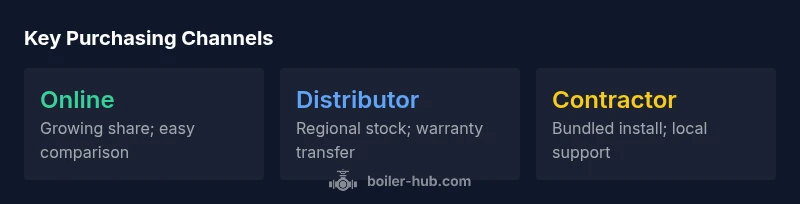
Buying a boiler typically follows one of four primary channels: manufacturer-direct, authorized distributors, local HVAC contractors, and reputable online retailers. Manufacturer-direct sales can provide the newest models and direct warranties, but delivery times may be longer if stock is limited. Authorized distributors offer regional stock and easier warranty transfers, with service packages that can simplify maintenance. Local HVAC contractors provide bundled installation and local code compliance, often with faster scheduling but potential brand pressure. Online retailers offer convenience and broad selection but require careful verification of installation compatibility and warranty terms. Understanding these channels helps you align selections with installation capacity and ongoing support.
What to ask before purchasing
Before committing, prepare a concise list of questions you want answered. Ask about model compatibility with your existing boiler room setup, venting requirements, and controls integration. Inquire about warranty coverage, transfer requirements, and whether service is included in the price. Request itemized quotes that separate boiler, parts, labor, and delivery, and confirm who will handle permits and inspections. Clarify return policies, lead times, and whether the seller can arrange installation through an affiliated technician. Finally, verify if the vendor supports local financing or deferred payment options, and whether installation is required to validate the warranty.
Checking compliance and warranties
All boilers must meet local safety and efficiency standards, so verify regulatory compliance in your jurisdiction. Look for energy efficiency labels and performance certificates, and confirm what constitutes a valid warranty transfer if you switch installers. Read the warranty carefully for exclusions, coverage periods, and required annual maintenance. In many regions, installation by a licensed professional is a condition for warranty validity, so ensure your vendor can connect you with qualified technicians. Keep digital and hard copies of all documents, including model numbers, serials, and purchase receipts, for future service or resale.
Steps to complete a safe purchase
Follow these steps to finalize a safe boiler purchase: 1) clarify your heat load and choose an appropriate boiler size with your contractor; 2) compare quotes from at least three reputable sources; 3) verify warranty terms and transferability; 4) confirm installation timelines and permit requirements; 5) ensure compatible venting, piping, and controls; 6) schedule professional installation with documented inspection; 7) register the boiler model for warranty and download the manuals; 8) maintain a maintenance calendar and set up a service plan with a trusted provider.
Practical tips to avoid scams
Be wary of unusually low prices that rely on red flags like vague quotes or “temporary” stock. Stick to reputable vendors with visible contact details and clear return policies. Avoid cash-only deals or requests to ship to an unverified address. Check reviews from multiple sources and verify the installer’s credentials before agreeing to work. Keep all receipts and ensure that installation is performed by a licensed professional who can provide a compliant permit and inspection.
Real-world decision framework for homes and facilities
Homes and facilities often face different constraints. A homeowner might prioritize price, warranty length, and a straightforward installation plan, whereas a facility manager could emphasize long-term service contracts, predictable lead times, and scalable support across multiple units. In both cases, involve a qualified technician early to validate size, venting, and fuel type. Boiling the decision down to three questions—Can this model be installed here? Will warranty terms transfer to a new owner if I move? Is ongoing service guaranteed by a licensed provider?—helps you create a defensible purchase path.
The final checklist before hitting buy
Before purchase: verify model compatibility, confirm installation availability, review warranty terms, ensure permit requirements are met, and obtain written quotes. After purchase: keep all documentation, register the product, set up a maintenance schedule, and arrange professional installation through a licensed contractor. Confirm that the chosen vendor provides post-sale support within your region and offers a clear path for service visits. This final check minimizes risk and supports reliable boiler operation from day one.
Boiler purchasing channels and their trade-offs
| Channel | What it offers | Pros | Cons |
|---|---|---|---|
| Manufacturer-direct | Latest models, direct warranties | Direct support; access to newest specs | Longer lead times; stock can be limited |
| Authorized distributors | Regional stock, easier returns | Reliable warranty transfer; regional service | Pricing variability; online stock may be limited |
| Local HVAC contractor | Bundled install, local compliance | One-stop solution; local expertise | Dealer pressure to choose specific brands; higher labor cost |
| Online retailers | Wide selection, convenient comparison | Fast shopping; easy price comparison | Warranty terms may be unclear; installer compatibility risk |
Questions & Answers
Is it better to buy a boiler online or from a local distributor?
Both have merits. Online options offer breadth and price comparison, but local distributors often provide easier warranty transfer and closer installation support. Assess compatibility with your system and ensure installation can be completed by a licensed technician to preserve warranty validity.
Online options give you breadth, but local distributors usually offer better warranty handling and installer support. Always verify compatibility and licensed installation.
Do wholesalers sell to homeowners, or must I work through a contractor?
Many wholesalers primarily serve licensed contractors, but some do sell to homeowners through authorized retailers or partners. If you buy as a homeowner, ensure you have access to installation services and warranty support through a qualified professional.
Wholesalers might require a contractor, but check for authorized retailer options that still support home buyers with installation and warranty.
What should I ask about warranties when buying a boiler?
Ask about duration, coverage scope (parts, labor, and replacement), transferability to future owners, and requirements such as annual servicing. Obtain written confirmation of who handles warranty claims and the process for long-term support.
Clarify what the warranty covers, how long it lasts, and whether it transfers if you move or switch installers.
Can I replace my boiler from a different brand than my current system?
Brand replacement is possible if the new model matches your heating system’s specifications and venting. A qualified technician should verify compatibility and ensure that the installation complies with local codes and warranty requirements.
Yes, but you need to confirm compatibility and code compliance with a professional.
How can I verify boiler compatibility with my home?
Provide your current boiler’s fuel type, venting, and heating load to the installer. They should run a load calculation, verify clearances, and confirm venting and gas/pressure requirements before purchase.
Share your current system details with the installer to ensure the new boiler fits and vents correctly.
What is the best way to avoid buying a boiler from a scam or disreputable seller?
Stick with reputable vendors, check reviews from multiple sources, and ensure installation is performed by a licensed professional. Avoid deals that require cash-only transactions or remote delivery without installation confirmation.
Stay with trusted vendors and licensed installers; beware of overly aggressive discounts or vague terms.
“Selecting the right boiler source is as important as selecting the model itself; ensure you have installation support and clear warranty terms before purchasing.”
Key Points
- Compare quotes from at least three reputable sources
- Prioritize warranty transferability and installation support
- Verify licensing and local service coverage before buying
- Choose a channel that matches your installation needs
- Document all purchase and warranty details for future service