How to Run a Furnace When Power Is Out
Learn safe, practical steps for heating during a power outage. This guide covers backup heat options, safety checks, and when to call a pro to keep your home warm and secure.


During a power outage, a typical electric furnace cannot run because ignition and fans rely on electricity. According to Boiler Hub, your safest options are to use backup heat sources or a properly installed generator with a transfer switch, while keeping doors and windows sealed and CO detectors active. Plan ahead for outages to stay warm safely.
Why power matters for most furnaces
For most homes, the furnace relies on electricity to ignite the gas valve and power the blower that distributes warm air. When the power goes out, the system loses the controlled sequence that starts the flame and circulates heat. Some older or specialty units with standing-pilot ignition can operate in a limited fashion if the gas valve can be controlled without electricity, but they still require a source of power for safety interlocks and venting monitoring. This reality matters for how you plan during a blackout. If you're wondering how to run furnace when power is out, you should realize that with the typical modern system, backup power is essential for safe operation. The goal is to keep your space warm while maintaining strict safety protocols and avoiding unsafe improvisations. The best practice is to plan backup heat strategies and have a qualified technician review your system and options before an outage occurs.
Types of furnaces and backup heat options
Not all furnaces respond the same to a power outage. Gas furnaces with standing pilots may technically operate without electronic ignition, but these units still depend on electricity for safety controls and vent monitoring. Electric furnaces rely entirely on power for heating elements and blower motors, so a blackout typically means no heat unless backup power is engaged. Heat sources like wood or pellet stoves or electric space heaters can provide temporary warmth, but they come with safety considerations such as ventilation needs and fire risk. Boiler Hub emphasizes evaluating your current system and planning a backup approach that aligns with your home’s layout, fuel type, and safety requirements. The central takeaway is to prepare a clear, safe plan rather than improvising under pressure during a blackout.
Immediate safety checks during a power outage
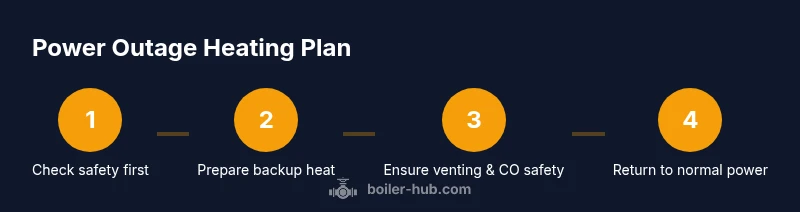
Before you attempt any heat-source activation, verify that the outage is actual and not a localized circuit issue. Check your home’s main panel for tripped breakers and ensure confirm that critical safety systems (CO detectors, smoke alarms) are functioning with fresh batteries. If you smell gas or hear a hissing sound, evacuate the area and call your gas utility immediately. Do not attempt to light a pilot or reset gas valves without proper clearance. This is a good time to review your CO detectors’ locations and ensure they have working batteries. It’s also smart to have a flashlight handy and to keep doors and windows sealed to reduce heat loss while you assess options.
Backup power solutions and how to implement them safely
A properly installed backup power solution can keep essential systems, including the furnace, operational during an outage. A portable generator can power a furnace circuit when connected through a transfer switch or a dedicated generator outlet installed by a licensed electrician. Never attempt to power a furnace by connecting a generator directly to household wiring without a transfer switch. For longer outages, a standby whole-house generator linked to a transfer switch provides a safer, more convenient option. Always follow the manufacturer’s instructions and local electrical codes. Boiler Hub recommends consulting a licensed electrician to ensure safe, code-compliant installation and operation, especially for gas furnaces and combined heat-and-power systems.
Long-term planning to withstand outages
Planning ahead reduces the heat loss and stress during a blackout. Consider improving insulation, sealing leaks around doors and windows, and configuring a safe backup heat plan that includes portable heaters or alternative heat sources in non-confined, well-ventilated spaces. Create a written outage plan that lists how to switch to backup heat, how to verify CO detector operation, and who to call for service. Regularly test backup equipment and practice your outage routine so you’re prepared when the power goes out. This proactive approach, supported by Boiler Hub insights, helps homeowners maintain warmth without compromising safety.
When to call a professional and how to verify safety
If you encounter any gas odor, suspect a gas leak, or have a furnace that won’t respond to backup power despite proper setup, contact a licensed HVAC technician immediately. Do not attempt to repair gas lines or bypass safety features yourself. In the event of prolonged outages, a pro can assess whether your furnace needs a professional backup power configuration, inspect vents for obstructions, and confirm that CO detectors are correctly placed and functioning. Regular maintenance and an up-to-date safety plan are your best safeguards during power interruptions.
Tools & Materials
- Portable generator (outdoor-use, sufficient wattage for furnace control and blower)(Ensure it can handle starting surges; place outside and far from doors/windows; use a transfer switch.)
- Automatic or manual transfer switch(Install with a licensed electrician; connects generator to furnace circuit.)
- Outdoor-rated extension cords(Heavy gauge (at least 12 AWG); keep cords as short as practical.)
- CO detectors and smoke detectors with battery backup(Place near sleeping areas and on each level; test regularly.)
- Flashlight or headlamp(Keep hands free and avoid candles to reduce fire risk.)
- Phone and charger(For emergencies and to contact help if needed.)
- Furnace manuals or model numbers(Have handy when consulting a pro for backup compatibility.)
Steps
Estimated time: 30-60 minutes
- 1
Assess safety and outage scope
Confirm this is a broader outage and check for obvious hazards. If you smell gas or hear a hiss, evacuate and call the utility immediately. Do not operate any appliance or switch if you suspect a gas issue or compromised venting.
Tip: Document any unusual smells, noises, or leaks before taking action. - 2
Verify backup power readiness
Ensure a properly installed transfer switch is available and that the generator is fueled and ready. Do not attempt to wire a generator into your home without a transfer switch, as this is dangerous and illegal in many areas.
Tip: Run a quick test with the generator outside to confirm it starts and delivers power to intended circuits. - 3
Prepare the furnace area for safe operation
Clear the exterior access to allow venting and inspection. Check CO detectors and ensure ventilation is not blocked. If your system has a standing pilot, verify it is not dependent on an electronic ignition if you plan to rely on the backup power.
Tip: Keep a clear space around the furnace; do not store combustibles nearby. - 4
Start backup power cautiously
Turn on the generator and connect only through the transfer switch or a dedicated outlet. Do not run cords across walkways or doors. Allow the generator to warm up before applying load to avoid voltage dips that could damage equipment.
Tip: Keep children and pets away from the generator while it’s running. - 5
Maintain safe ventilation and CO monitoring
Ensure CO detectors are active and ensure vents and flues are unobstructed. Do not block exhaust vents, and never vent combustion byproducts indoors. If you notice any CO readings rising, shut off heat sources and evacuate.
Tip: Open a window slightly if you’re using any backup heat that requires ventilation. - 6
Return to normal power after outage
As soon as the main power returns, switch off the generator and allow the system to stabilize before resuming normal operation. Recheck safety devices and confirm all alarms are functioning. Document the outage and plan a short-term maintenance check.
Tip: Do not abruptly cut power to the furnace; follow the manual for a safe shutdown.
Questions & Answers
Can I run my furnace if the power is out?
Most furnaces require electricity for ignition and the blower, so they typically won’t run during a blackout unless you have a certified backup power solution.
Most furnaces need electricity, so they won’t run in a blackout unless you have backup power.
Is it safe to use a space heater during an outage?
Electric space heaters are generally safe if used according to the manufacturer’s instructions and kept away from flammable materials. Always have CO detectors for gas appliances and avoid running heaters near doors or in sleeping rooms.
Electric space heaters can be used safely if you follow the guide and keep them away from combustibles.
What should I do if I smell gas during an outage?
If you smell gas, evacuate immediately and call your gas company or emergency services. Do not operate electrical switches around the area.
If you smell gas, leave the area and call for help right away.
Should I install a standby generator for my furnace?
A standby generator with a transfer switch is the safest way to power essential appliances, including the furnace, during outages. Consult a licensed electrician for installation.
A standby generator with a transfer switch lets you power essential systems safely.
How can I tell if my furnace is compatible with backup power?
Check your furnace manual or consult a professional to determine if your model supports transfer-switch powered operation or a bypass. Many newer units require direct wiring.
Check the manual or talk to a pro to know if your furnace supports backup power.
Watch Video
Key Points
- Plan for backup heat before outages occur
- Never operate a furnace without proper backup power and CO safety
- Use outdoor generators with a transfer switch
- Call a professional if you smell gas or if anything seems unsafe