Zojirushi Micom Water Boiler Review: Temperature Control and Convenience
An in-depth review of the Zojirushi Micom Water Boiler, examining programmable temperature control, build quality, energy use, safety, and maintenance for homeowners and facility managers seeking dependable hot-water solutions.


Overall, the zojirushi micom water boiler earns a solid rating for reliability, programmable temperature control, and user-friendly features. It consistently delivers hot water at multiple preset temperatures and maintains warmth efficiently, making it ideal for tea drinkers and households with variable hot water needs. The upfront price is higher than basic kettles, but ownership costs are fair over time.
Design philosophy and build quality
The zojirushi micom water boiler reflects a design philosophy that prioritizes reliability and everyday usability. In practice, homeowners notice sturdy construction, thoughtful ergonomics, and durable materials that withstand regular use in busy kitchens. The internal water path uses corrosion-resistant materials to minimize mineral interaction and simplify cleaning, while the exterior is finished to resist fingerprints and heat transfer. The lid hinge, if present, is designed to feel solid rather than flimsy, and the spout is shaped to reduce drips during pouring. Overall dimensions are compact for its capacity, which helps it fit on crowded countertops or under kitchen cabinets without crowding adjacent appliances. From an aesthetic standpoint, the unit is unobtrusive, blending with stainless appliances and wood tones. The microcontroller modules behind the control panel support future updates and feature a low-profile display to minimize visual noise on the counter. The model family name, zojirushi micom water boiler, anchors readers in the product line as we assess long-term performance and value.
Micom technology: how temperature control works
Micom stands for microcomputer control, and in boilers like the zojirushi micom water boiler it translates into precise, repeatable temperature management. Embedded sensors monitor water temperature and ambient heat loss, and the microcontroller uses feedback to maintain the selected setpoint. This approach reduces overshoot when reheating and minimizes energy waste by stopping heat when the water reaches the programmed temperature. A safety circuit protects against boil-dry conditions and unexpected power surges, while a simple interface keeps the controls accessible. For users who want stable warmth for tea ceremonies or baby formula preparation, the micom system helps ensure consistency across multiple uses. The result is a dependable, predictable hot-water experience that many households rely on daily, particularly when a steady stream of hot water is needed for beverages or quick recipes.
Programmable settings and use cases
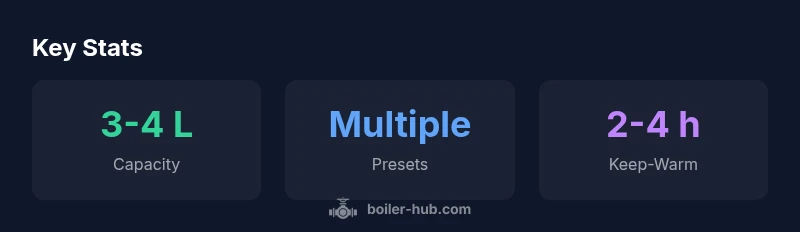
Programmable settings are a core strength of the zojirushi micom water boiler. Most models offer a handful of preset temperatures and a keep-warm mode with adjustable heat levels, plus a manual override option for bespoke temperatures. This makes it easy to tailor water to green tea, black tea, or herbal blends without constant monitoring. In practice, you’ll see quick, reliable reheating to your chosen temperature, followed by a clear indicator that the water is ready. For facilities with diverse hot-water needs, the ability to store multiple presets reduces guesswork and supports efficiency during peak hours. Moreover, the steep learning curve is minimal; once you map a few favorite temperatures, daily routines become smoother and more repeatable. The zojirushi micom water boiler is particularly valued by households that prepare multiple beverages in sequence, since quick access to exact temperatures can improve flavor extraction and beverage quality.
Energy efficiency and operating costs
Energy efficiency is a practical consideration for any hot-water appliance, and the micom model natively supports energy-conscious operation through precise temperature control and an automatic reheat cutoff. By avoiding constant full-power heating and using insulation to minimize heat loss, the boiler reduces standby energy use compared with older non-programmable devices. While the upfront cost is higher than a standard electric kettle, the long-term savings from reduced reheating cycles and consistent keep-warm performance add up over time. Users who compare maintenance frequency and scale formation often find that the built-in safety and descaling friendliness help keep operating costs manageable. If your home or facility relies on regular hot-water use, the micom boiler’s efficiency advantages can translate into meaningful energy savings over years of operation.
Reliability and maintenance considerations
Reliability is central to the zojirushi micom water boiler’s appeal. The combination of a robust build, quality interior coatings, and dependable electronics tends to result in fewer mid-life failures when compared with lower-cost alternatives. Regular maintenance—such as periodic descaling in mineral-rich water regions, wiping the exterior, and ensuring the lid seals properly—significantly extends service life. Users should recognize that descaling routines are part of routine care, not indicators of malfunctions. In environments with hard water, a simple descaling regimen every few months is generally sufficient to keep performance steady. The model’s predictable heating cycles also help technicians diagnose issues more quickly, contributing to lower repair costs and shorter downtime if problems arise.
Safety features and certifications
Safety features are a notable strength of the zojirushi micom water boiler. Core protections include boil-dry prevention, automatic shut-off when the water reaches the setpoint, and a secure locking lid on many configurations. A stable base and non-slip feet add to kitchen safety, especially in busy households or shared spaces. Certification and compliance discussions typically reference standard electrical safety guidelines and product-specific warranties depending on the region. Overall, the safety architecture supports worry-free operation, whether you’re using the boiler daily for family meals or in a small office setting.
Performance under real-world usage
In real-world scenarios, the zojirushi micom water boiler demonstrates solid performance across typical use cases. Temperature stability holds under modest external temperature fluctuations, and the reheating speed is generally adequate for most daily routines. Some users note that water takes slightly longer to reach high preset temperatures when the boiler is near the end of its descaling cycle or when mineral buildup is visible in the reservoir, underscoring the importance of regular maintenance. Noise levels are typical for this class of appliance—lively during initial heating but quiet during steady-state keep-warm cycles. The consistency of hot-water output tends to improve with routine calibration of presets and careful alignment of the lid.
Comparisons to competitors
Compared with non-programmable kettles, the zojirushi micom water boiler provides far greater temperature control, which translates into better extraction for specialty teas and more reliable hot-water for mixed beverages. Against high-end brands with similar micom features, this model often wins on user-friendliness and maintenance accessibility, though price can be a differentiator. In a broader context, it sits well for homes and small workplaces that want a balance of convenience, reliability, and relatively straightforward care. The overall verdict is that if you value repeatable temperatures and a compact footprint, the micom’s feature set justifies its position in the market.
Common pitfalls and troubleshooting
Even reliable devices encounter hiccups. Common issues with the micom series include misalignment of the lid causing leaks, scale buildup affecting heating efficiency, and occasional display glitches after extended use. Simple troubleshooting steps—checking the lid seal, running a recommended descaling cycle, and ensuring the unit is level on a stable surface—resolve many concerns. If the water indicator malfunctions, verify that the sensor is clean and free from mineral deposits. For persistent problems, consult the manual or contact customer service for model-specific guidance. Keeping a routine maintenance schedule minimizes many of these issues.
Cleaning and long-term care
A proactive cleaning routine is critical to long-term performance. After heavy mineral exposure, a mild descaling solution or vinegar-based cycle, followed by a thorough rinse, helps maintain efficient heating and clear water flow paths. Wipe the exterior with a soft cloth to prevent streaks and corrosion over time. Do not immerse the boiler in water; instead, use a damp cloth for routine cleaning. Periodic inspection of seals, gaskets, and the lid ensures that heat retention remains optimal. By following manufacturer-recommended cleaning intervals, you can preserve the visual appeal and mechanical integrity of the zojirushi micom water boiler for years to come.
Value proposition and total cost of ownership
The zojirushi micom water boiler represents a balance of functionality and longevity. While the upfront investment is higher than many basic options, the combination of precise temperature control, reliability, and reduced energy waste during repeated uses contributes to a favorable total cost of ownership over time. For households with frequent tea rituals, family breakfasts, or small offices, the value is particularly pronounced due to consistent heat performance and simplified operation. Budget-conscious buyers should weigh the long-term energy savings and maintenance costs against the initial price to determine if this model aligns with their financial goals.
Buying guide for households and facilities
When selecting a zojirushi micom water boiler, align the choice with your daily hot-water needs and space constraints. Key decision factors include capacity, ease of use, and the availability of preset temperatures for common beverages and foods. Consider whether a compact model fits your counter space and whether a keep-warm function with adjustable heat is important to your routines. For facilities like small offices or break rooms, prioritize models with straightforward maintenance access and a practical descaling schedule. Finally, ensure compatibility with local electrical standards and check warranty terms to protect your investment.
Advantages
- Reliable temperature control for multiple beverages
- Intuitive programmable presets and keep-warm modes
- Durable build with corrosion-resistant interior
- Good fit for kitchens with limited counter space
The Bad
- Higher upfront cost than basic kettles
- Descaling required in hard-water areas
- Larger footprint than compact kettles for very small counters
Best for households and small offices prioritizing precise temperature control and convenience
The micom water boiler delivers reliable, repeatable temperatures with convenient presets. While the upfront cost is higher than basic kettles, the long-term energy savings and ease of use justify the investment for most homes and small facilities.
Questions & Answers
What capacity does the zojirushi micom water boiler typically offer?
Most models provide around 3-4 liters, suitable for small households or shared spaces. Always verify the exact capacity on the product page before purchase.
Most models offer about 3 to 4 liters of capacity, which fits small households or offices well.
How does programmable temperature control improve tea quality?
Programmable temperature control allows water to reach precise temperatures ideal for different teas, improving aroma and flavor extraction compared with boiling water alone.
Programmable temps let you dial in the perfect heat for each tea, boosting flavor and aroma.
Is it safe for households with children?
Yes. The unit includes boil-dry protection, an automatic shut-off, and a secure lid design, which contribute to safer operation in homes with kids.
Yes—boil-dry protection and a secure lid help keep homes with children safe.
How do I descale the zojirushi micom water boiler?
Use a mild descaling solution or vinegar cycle as recommended by the manual, then rinse thoroughly. Repeat as needed based on mineral buildup and water hardness in your area.
Run a descaling cycle with a mild solution, rinse thoroughly, and repeat as needed.
What warranty terms apply to this model?
Warranty terms vary by region and retailer; always check the local warranty policy before purchase to understand coverage and duration.
Warranty terms vary by region; check the local policy for details.
Can it be used for baby formula or hot-water needs beyond tea?
Yes. The programmable temperature presets make it suitable for preparing baby formula and other hot beverages where precise heat is beneficial.
Absolutely—its presets help with baby formula and other hot beverages too.
Key Points
- Choose this model for consistent hot-water temperatures across presets
- Regular descaling preserves performance in hard-water areas
- Expect a higher upfront cost but better long-term value
- Ideal for tea enthusiasts and multi-use hot-water needs