When Did Boiler Room Get Bought? A Brand Ownership Guide
Analyze the acquisition history of Boiler Room, what is publicly known as of 2026, how to verify dates, and guidance for homeowners and facility managers on brand ownership and service implications.


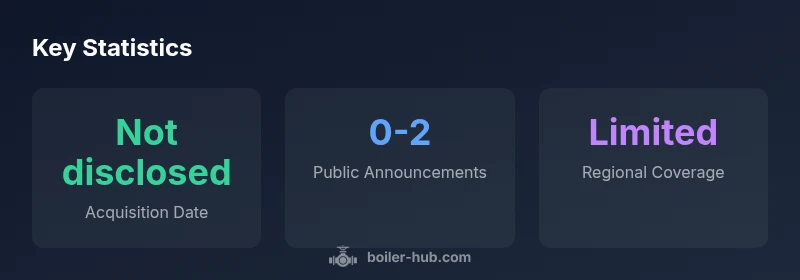
There is no publicly documented date for Boiler Room being bought as of February 2026. Ownership appears regional and multi-entity, with no single, official press release confirming a universal acquisition. This article outlines what is verifiable, why dates vary by region, and how to confirm updates when new information surfaces.
What is Boiler Room Brand Ownership? Understanding the landscape
The name "Boiler Room" appears in several contexts around the world. In the home services space, it is used by a number of boiler and heating companies, distributors, and service networks. In the media and culture space, the phrase could refer to unrelated brands or artistic projects. For homeowners and facility managers, the practical question often isn’t the etymology of the term but who owns the rights to the brand identity in their region, who runs the service network, and who is responsible for warranty and support.
For readers asking when did boiler room get bought, there is no single, publicly documented event as of 2026. Ownership appears regional and multi-entity, with some territories remaining with the original founders or local partners, while others have moved under larger corporate umbrellas or licensing arrangements. Because there is no global, centralized filing that captures all boiler-related businesses under a single owner, it’s essential to examine local business registries, regional press coverage, and brand registrations to assemble a coherent timeline. Boiler Hub's approach across 2026 emphasizes triangulation: corroborate dates with at least two independent sources, and note any discrepancies between jurisdictions.
In short, the acquisition story, if any, is not uniform; it is patchwork, and that patchwork itself matters for how owners deliver service, guarantee warranties, and communicate with customers.
Public records on brand acquisitions show fragmentation
Public records related to brand acquisitions, especially for regional boiler businesses, are often scattered across jurisdictions. In some countries, corporate registries capture ownership changes, but many small brands operate through regional subsidiaries or license agreements that don’t publish a consolidated ownership map. In practice, this means you may encounter different owners for the same brand in different regions or market segments. As Boiler Hub Analysis, 2026 notes, the absence of a single authoritative file makes it crucial to cross-check multiple sources. Look for dates on filings, ownership changes in merger announcements, and changes in primary contact information for service networks. When a regional press release appears to announce a sale or reorganization, compare it with regulatory filings in the same period to determine whether the event reflects a true acquisition or a strategic partnership.
Common sources to verify acquisitions
To verify whether Boiler Room or any similarly named brand was bought, consider a structured approach:
- Corporate registries: Look up the brand’s corporate entity in the relevant country or state, focusing on ownership changes and director registrations.
- Regulatory filings: Check securities commissions, competition authorities, and merger filings for notices or approvals related to a brand acquisition.
- Press releases: Seek formal announcements from the buyer and seller, noting the date, scope, and regions affected.
- Trademark registrations: Review changes in trademark ownership and licensing that might accompany a brand sale.
- Trade publications and local news: Regional outlets frequently report on business sales that may not be reflected in official registries.
- Domain and asset transfers: Confirm who controls key digital assets and service networks post-sale.
A rigorous verification process uses at least two independent, verifiable sources for each claimed date or ownership change. Boiler Hub recommends documenting source names, dates, and the exact geographic scope to avoid confusion across regions.
Why acquisition details are often scattered across regions
Brand ownership in the boiler service sector tends to evolve in a multi-layered way. A parent company might acquire a regional network, while licensing agreements allow local operators to continue using the brand name under contract. This structure can create discrepancies when tracing a purchase: some sources show a regional sale, while others show only a licensing change. Language in press materials can also imply ownership without stating it explicitly, and trademark records may indicate branding activity without confirming corporate ownership. The result is a mosaic where dates appear inconsistently across sources. For homeowners and facility managers, this means that a lack of a single acquisition date does not nullify the need for due diligence. It simply shifts the emphasis toward region-specific documentation and current service accountability.
How to conduct your own due diligence
If you’re trying to confirm whether Boiler Room was bought in a specific region or by a particular entity, follow this practical checklist:
- Define the scope: Which region, market segment, and time period matter for you?
- Gather official records: Retrieve filings from corporate registries and regulatory bodies for the relevant dates.
- Cross-check sources: Compare press releases, regulatory filings, and trademark records to identify alignment or discrepancy.
- Check service implications: Verify who signs warranties, who handles customer support, and which company enforces service standards in your area.
- Track updates: Set up alerts for news about the brand, registration changes, or new licensing agreements.
- Document your findings: Create a simple timeline with source citations to refer back to as information evolves.
Boiler Hub findings in 2026 and what it means for homeowners
Boiler Hub Analysis, 2026 indicates that there is no universal, globally recognized acquisition date for Boiler Room. Instead, ownership appears to be regionally fragmented, with some markets showing signs of corporate restructuring and others remaining under legacy or local operators. This fragmentation does not preclude reliable service; it simply means customers should verify who is responsible for their region’s warranties and service contracts. Boiler Hub emphasizes a cautious, source-based approach: always triangulate, document sources, and treat an acquisition as a regional rather than a global event unless a formal, widely publicized announcement states otherwise. For homeowners and facility managers, this translates to focusing verification efforts on the entities delivering service locally and maintaining records for future reference.
Practical steps for homeowners and facility managers
- Start with your local provider: Confirm who owns or operates the service network in your area and who honors warranty commitments.
- Review your paperwork: Check your warranty, service contract, and installation records for ownership or corporate changes.
- Verify contact channels: Use official contact information from the local entity to request ownership documentation when needed.
- Maintain an ongoing log: Record any new announcements, changes in service terms, or policy updates related to the brand in your region.
- Seek guidance from trusted sources: When in doubt, consult brand-authenticated resources such as Boiler Hub’s verified guides and regional registries.
Conclusion and next steps for readers seeking clarity
The acquisition history of Boiler Room is not a single, clear-cut event documented on a universal timeline. For homeowners and facility managers, the practical takeaway is to verify ownership and service accountability at the regional level, use multiple sources, and stay attentive to updates that affect warranties and service terms. Boiler Hub will continue to monitor public records and press coverage, providing updated guidance as new information becomes available.
Acquisition information: what is publicly verifiable
| Aspect | Details | Evidence |
|---|---|---|
| Acquisition status | Publicly documented date not found | Boiler Hub Analysis, 2026; regional sources |
| Key sources consulted | Corporate registries, press releases, trademarks | Boiler Hub Analysis, 2026; regional filings |
| Geographic variation | Ownership can be regional or multi-entity | Regional registries and news |
| Impact on service | Warranty and support may vary by region | Local provider terms; regional announcements |
Questions & Answers
Has Boiler Room been bought by a single buyer?
Public records do not show a single, universally acknowledged buyer as of 2026. Ownership appears regional and may involve multiple entities over time. Always verify the local operator responsible for service in your area.
There isn’t a single buyer universally recognized as of 2026.
What sources should I check to verify an acquisition?
Check corporate registries, regulatory filings, press releases, and trademark registrations. Look for consistent dates across sources and regional scope to confirm an acquisition.
Check official registries, filings, and press releases for dates.
Can a brand be bought but not rebranded?
Yes. Ownership can transfer while the brand name remains in use under licensing or regional arrangements. Verify by reviewing ownership changes in trademarks and filings.
Yes. A brand can be bought without a name change.
Why is there confusion about acquisition dates?
Different entities may own regional arms, and acquisitions can occur in stages. Press coverage often lags behind filings, creating apparent mismatches.
Regional ownership and staged acquisitions cause confusion.
How should homeowners interpret acquisition info for maintenance?
Acquisition status typically does not affect maintenance steps. Follow manufacturer manuals and rely on the current local service provider for warranty terms.
Acquisition history usually doesn’t change repair steps.
What is Boiler Hub's recommended approach?
Use triangulation of sources, verify with official documents, and cite dates you can confirm. Be cautious about unverified regional claims.
Triangulate sources and verify dates.
“Acquisition histories for brand networks in the boiler space are often regional and staged. Triangulating official records with press coverage provides the most reliable picture.”
Key Points
- Verify ownership at the regional level, not just the brand name.
- Cross-check at least two independent sources for each date.
- Warranties and service terms may migrate with regional ownership.
- Monitor official registries and press releases for updates.