Zojirushi Water Boiler Cleaning: A Homeowners Guide
Learn how to safely clean a Zojirushi water boiler with a practical, step-by-step guide. This thorough maintenance routine helps prevent mineral buildup, maintain efficiency, and ensure clean hot water for your family.


You can safely clean a Zojirushi water boiler by unplugging, emptying, descaling with a vinegar or citric acid solution, rinsing thoroughly, and air-drying. Start with safety checks, gather the right tools, run the descaling solution through the reservoir, then rinse multiple times and dry completely before use.
Why a Regular Zojirushi Water Boiler Cleaning Matters
According to Boiler Hub, regular maintenance of consumer boilers and hot-water dispensers helps sustain performance and prolongs the appliance’s life. A clean reservoir and heating surface improve heat transfer, reduce the likelihood of mineral buildup, and minimize strange odors or flavors in water. For households that rely on hot water throughout the day, a disciplined cleaning routine can mean more consistent temperatures and fewer service calls. In this guide, we focus on safe, practical steps you can take at home to keep your Zojirushi water boiler operating efficiently and safely, without disassembling critical electrical components. We’ll discuss descaling options, safety precautions, and best practices so you can maintain peak performance with confidence.
Safety First: Essential Precautions for Cleaning Your Zojirushi Water Boiler
Before you start any cleaning, unplug the unit and allow it to cool completely. Do not immerse the base or any electrical components in water. Mineral deposits can be awkward to remove if they harden on the heating element, so act promptly but carefully. If your model has an indicator or a dedicated cleaning cycle, consult the manual to confirm supported methods. Always wear gloves when handling hot water or descaling solutions, and work in a well-ventilated area to avoid fumes. If you notice damage to seals or the exterior shell, discontinue use and seek professional service. Following these safety guidelines protects you and preserves the appliance.
What You’ll Need: Tools and Materials for Zojirushi Cleaning
Gather the following items before you start. Having everything at hand keeps the process efficient and reduces the risk of spills. Keep in mind that you can alternate descalers; vinegar is common, while citric acid is another safe option. Use distilled water for rinsing to avoid introducing minerals from tap water. A soft cloth, a non-abrasive brush, and a measuring cup round out the essentials. If you prefer disposable gloves, have a pair ready to reduce contact with hot surfaces.
Descaling Options: Vinegar vs Citric Acid
Two mainstream descaling approaches work well for most Zojirushi models. Vinegar creates a mild acidic solution that can break down mineral deposits, while citric acid provides a flavorful alternative with a potent descaling effect. Both options require thorough rinsing to remove any scent or residue before using the boiler again. Vinegar is often favored for its accessibility and cost-effectiveness, but citric acid may be preferred by households avoiding vinegar odors. Whichever you choose, never mix descalers with bleach or other cleaners, and always follow up with multiple plain-water rinses.
Step-by-Step Cleaning Process Overview
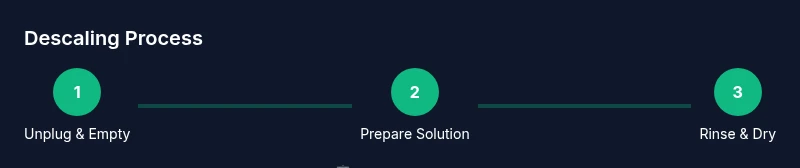
The cleaning process combines soaking, heating, and flushing to dislodge mineral buildup from the reservoir and heating chamber. If your model includes a dedicated cleaning cycle, use it as directed. Otherwise, you’ll simulate the cycle by heating the descaling solution to near-boiling and maintaining a gentle constant temperature for several minutes. The goal is to soften deposits so they rinse away cleanly. After this phase, you’ll perform a thorough rinse with fresh water to remove all traces of the descaling solution. Finally, you’ll dry all accessible surfaces completely to prevent any moisture-related odors or mold.
Rinsing, Drying, and Reassembly Notes
Rinse the reservoir and interior surfaces several times with fresh distilled water until no cleaning solution remains. Wipe the exterior with a damp cloth, then dry with a clean towel. Leave the lid open for a short period to air-dry interior surfaces; never seal the unit while it’s damp. Replace any removable components as designed by the manufacturer. Once dry, plug in and run a small test cycle with plain water to confirm there are no odors and that the unit heats evenly.
Maintenance Tips to Keep Your Boiler Efficient
Schedule regular cleanings based on water hardness and usage. If you notice mineral buildup forming more quickly, consider increasing the interval between cleanings or using a softer water source if feasible. Inspect gaskets and seals for wear during each cleaning cycle and replace them if you observe cracking or stiffness. Keeping the exterior clean also helps you notice leaks or unusual condensation early, enabling quicker action and safer operation.
Common Mistakes to Avoid During Zojirushi Cleaning
Avoid using abrasive scrubbers that can scratch nonstick surfaces or the exterior. Do not immerse the base or any electrical parts, and never pour cleaner into the heating chamber directly if it isn’t designed for it. Do not reuse a descaling solution for too long—refresh it if it remains cloudy or if you notice a persistent odor. Finally, never skip the rinsing phase; residue can affect taste and safety of hot water.
Tools & Materials
- Mild white vinegar(Dilute with water for descaling; use as milder option if desired)
- Citric acid powder (optional)(Alternative descaler if avoiding vinegar)
- Distilled water(For filling and rinsing to avoid introducing new minerals)
- Soft cloth or microfiber towel(For wiping exterior and interior surfaces)
- Non-abrasive brush or sponge(Gently remove mineral deposits without scratching)
- Measuring cup(Convenient for pairing descaling solutions)
- Protective gloves(Nitrile or latex to protect hands from heat and cleaners)
Steps
Estimated time: 30-45 minutes
- 1
Unplug and empty
Turn off the boiler and unplug it from the outlet. Allow the unit to cool completely, then carefully pour out any remaining water from the reservoir.
Tip: Never work with hot water; wear gloves to protect your hands. - 2
Prepare descaling solution
Mix your chosen descaler (vinegar or citric acid) with distilled water in a clean container according to your preference for strength. This solution will loosen mineral deposits inside the reservoir and heating chamber.
Tip: Label the container so you don’t confuse it with drinking water. - 3
Apply solution to reservoir
Pour the descaling solution into the reservoir until it covers the heating element area. Avoid overfilling beyond the max line indicated on the vessel.
Tip: If your model has a removable heating plate, set it aside for cleaning after soaking. - 4
Heat and soak
Turn the unit on and allow it to heat to a simmer or the recommended cleaning temperature. Maintain heat for several minutes to loosen stubborn deposits.
Tip: Do not leave the unit unattended while heating. - 5
Scrub deposits gently
Turn off the unit, unplug, and use a soft brush or sponge to gently scrub any loosened mineral buildup. Focus on corners and the heating area.
Tip: Avoid harsh abrasives that could scratch or damage surfaces. - 6
Rinse thoroughly
Empty the reservoir and rinse with several cycles of distilled water until there is no scent or residue from the descaler.
Tip: Run at least two full rinses with fresh water to ensure safety. - 7
Dry and reassemble
Wipe all components dry, air-dry interior surfaces, and reassemble. Let the unit dry completely before the first use.
Tip: Inspect seals for wear and replace if needed.
Questions & Answers
Can I use vinegar to descale a Zojirushi water boiler?
Yes, diluted white vinegar is a common descaling option. Rinse thoroughly with distilled water after descaling to remove any vinegar odor.
Yes, you can use vinegar, but make sure you rinse thoroughly and air-dry before use.
Is citric acid a safe alternative to vinegar?
Citric acid is a safe alternative descaler. Follow the recommended concentration and rinse completely to avoid tasting traces in water.
Citric acid is a safe alternative; just ensure you rinse well afterward.
How often should I clean the Zojirushi water boiler?
Frequency depends on mineral content in your water and usage. If you notice buildup or off-flavors, clean sooner rather than later.
It depends on your water hardness and how often you use it; clean when you notice buildup.
What should I do if there’s mineral buildup near the heating element?
Gently scrub with a soft brush after soaking. Do not use abrasive tools that could damage the heating element.
Gently brush the deposits after soaking and avoid stiff brushes.
Can I put the boiler base in the dishwasher for cleaning?
No. Do not immerse or place any electrical components in the dishwasher. Clean only with damp cloths and non-abrasive tools.
No, you should avoid the dishwasher and clean with soft cloths.
Watch Video
Key Points
- Unplug and cool before cleaning to prevent burns.
- Choose a descaler and rinse until all residue is removed.
- Dry thoroughly to prevent odors and mold.
- Regular maintenance preserves efficiency and extends life.