Which tap for boiler pressure: A practical homeowner guide
Learn which tap to use for boiler pressure, how to adjust safely, and common mistakes to avoid. This Boiler Hub guide covers taps, safety checks, and step-by-step instructions for homeowners and facility managers.


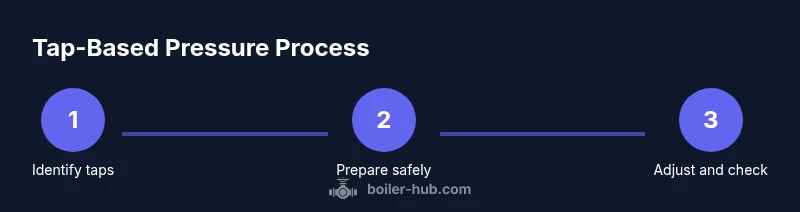
This guide shows you which tap to use for boiler pressure, how to adjust it safely, and when to call a pro. You’ll learn to identify the correct valve on common boiler layouts and avoid the most frequent mistakes homeowners make. We cover why the right tap matters for safety, efficiency, and preventing costly damage. The quick steps also outline safety checks and what to do if you encounter leaks.
What 'which tap for boiler pressure' means
The phrase refers to identifying the valve or tap that controls the amount of water in your boiler's closed heating system. Using the wrong tap can overfill, under-fill, or introduce air, leading to poor heating or damage. According to Boiler Hub, knowing which tap to touch and in what order is essential for safe maintenance and consistent boiler performance. This section explains the landscape of taps and how they relate to pressure management.
Boiler pressure fundamentals
Boiler pressure is the force that pushes water through your heating circuit. A typical cold-system pressure sits around 1 bar and rises as the system heats. The exact safe range depends on your boiler model, so always consult the manual. In general, avoid letting pressure rise above the manufacturer’s maximum and never open taps when the boiler is hot. Tracking pressure over time helps catch leaks or expansion-vessel issues early.
Tap types you’ll encounter on most boilers
Most homes have several taps that interact with pressure: a filling loop with two small valves (often one red, one blue), a pressure relief valve (PRV) that vents if pressure gets too high, and a drain tap used for maintenance. Radiator bleed valves are not pressure-taps but are relevant when air affects system pressure. Distinguish them by labels in the user manual or on pictures in your boiler’s diagram.
Safety considerations before you work
Adjusting boiler pressure involves working with a sealed hot-water system. Always ensure the boiler is off, completely cooled, and not connected to gas supply while you perform taps. Wear protective gloves and have a towel ready for spills. If you detect gas smells, cracking sounds, or persistent leaks, stop and contact a qualified technician immediately.
Checking your boiler manual and model-specific taps
Because tap locations and labels vary by model, start by locating the installation or service manual for your boiler. Look for sections labeled 'filling loop', 'pressure relief', or 'pressurisation'. If you cannot identify the taps, photograph the area and compare with your model’s diagram online or contact the manufacturer.
Quick prep: how to plan the adjustment safely
Before touching any tap, have a plan: confirm the current pressure with the gauge, determine your target range, gather the right tools, and plan to stop if the gauge breaches the safe zone. Keep a bucket and towels handy for drips, and never force a valve that feels stiff or stuck.
Tools & Materials
- Filling loop kit (provided with boiler or added by installer)(Used to add water to the system to raise pressure)
- Radiator bleed key or screwdriver (flathead) for bleed valves(Optional if air needs releasing after pressure is adjusted)
- Bucket or towel(Catch drips during taps)
- Owner's manual for your boiler model(Always reference your model's pressure spec and tap locations)
- Soap solution or leak-detecting fluid(Check for leaks around taps after adjustment)
Steps
Estimated time: 30-60 minutes
- 1
Identify taps and read the manual
Locate the taps on your boiler: typically a filling loop with two valves and a drain tap. Compare with the manual's diagram to confirm which is used to adjust pressure. If you can't locate the taps, pause and search model-specific diagrams online or contact the manufacturer.
Tip: Take a photo of the tap area for reference and marker labels. - 2
Shut off power and let the boiler cool
Turn off the boiler and wait until it is cool to avoid scalding. Do not touch hot components or the pressure relief valve while hot. This reduces the risk of injury and prevents accidental pressure changes during handling.
Tip: Wait at least 15 minutes after turning off to ensure surface cooling. - 3
Prepare the workspace and tools
Place a bucket and absorbent towels under the taps. Gather the filling loop kit and manual within reach. Ensure the area is dry and well-lit so you can monitor the gauge clearly.
Tip: Wear protective gloves to avoid sharp edges or hot surfaces. - 4
Open the filling loop taps slowly
Begin by opening the filling loop taps gradually, watching the pressure gauge. Open one valve a small amount, then the other, to feed water into the system without overcharging.
Tip: Do not rush; small increments reduce the risk of overshooting the target pressure. - 5
Bring pressure to the target range
Continue until the gauge reaches the recommended range stated in your manual. Close both taps firmly once the target is met. If you overshoot, close the taps and briefly drain a small amount using the drain valve, then recheck the gauge.
Tip: Aim for a conservative target; if in doubt, stop and re-measure after cooling. - 6
Check for leaks and restore operation
Re-seat all taps, inspect connections for moisture or drips, and power the boiler back on. After it warms up, re-check the pressure when cold and then again when hot if your model shows a larger swing. Bleed radiators if you notice cold spots or trapped air.
Tip: Keep a log of your final reading for future reference.
Questions & Answers
Which tap should I open to increase boiler pressure?
Open the filling loop taps gradually to introduce water and raise pressure. Do not use radiator bleed valves for this purpose. Always watch the gauge and stop when you reach the manufacturer’s recommended range.
Open the filling loop taps slowly and watch the gauge; stop when you reach the recommended pressure, and do not use radiator valves for increasing pressure.
How can I tell if I’m using the right tap on my boiler?
Check your model’s manual for diagrams labeling the filling loop and pressure relief valve. If in doubt, photograph the area and compare with official images or contact the manufacturer.
Look for the labeled filling loop and pressure relief valve in your manual, or contact the manufacturer if the labels aren’t clear.
What is a safe boiler pressure range for most residential systems?
Most boilers aim for about 1 bar when cold and up to around 2 bar when hot, but ranges vary by model. Always follow the manual to avoid over-pressurizing.
Typically about 1 bar when cold and up to around 2 bar when hot, but check your boiler’s manual for your model.
What if the pressure keeps dropping after adjustment?
This may indicate a leak, a faulty expansion vessel, or a need for professional inspection. Refill carefully and monitor for continued drops, then call a technician if it persists.
If pressure keeps dropping after you refill, there might be a leak or expansion vessel issue—seek a professional inspection.
Is it safe to bleed radiators to adjust pressure?
Bleeding radiators releases air and can lower system pressure. If you need to bleed, expect a temporary drop and recheck pressure afterward.
Bleeding radiators can lower pressure; be prepared to re-check and re-pressurize if needed.
When should I call a professional?
If you’re unsure about tap identification, see persistent leaks, or cannot achieve a stable pressure, contact a qualified boiler technician.
Call a professional if you’re unsure or see leaks or unstable pressure.
Can incorrect tapping cause boiler damage?
Yes. Using the wrong tap or forcing a valve can lead to leaks, over-pressurization, or air in the system. Always follow the manual and proceed cautiously.
Using the wrong tap or forcing a valve can cause damage; proceed with care and follow the manual.
Do I need to let the boiler cool before starting?
Yes. Allow the boiler to cool before touching taps to reduce burn risk and to prevent sudden pressure changes.
Yes—let it cool to stay safe and avoid sudden pressure changes.
Watch Video
Key Points
- Identify the correct taps before touching anything
- Monitor pressure gradually and stop if it nears the safe limit
- Keep the area safe and leak-free with towels handy
- Refer to the boiler manual or Boiler Hub guidance for model-specific ranges