What to Do Before a Boiler Service: A Homeowner's Prep Guide
A practical, step-by-step prep plan for homeowners and facility managers to get ready for a boiler service, ensuring safety, efficiency, and a smoother technician visit.


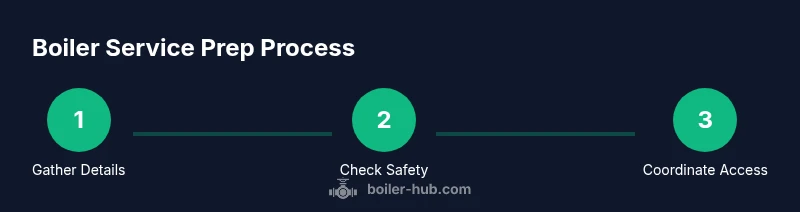
Before a boiler service, prepare by gathering your boiler’s make and model, record any fault codes, and note recent issues. Ensure access to the area is clear, disclose any safety concerns, and list any recent maintenance. This quick prep helps the technician diagnose efficiently and keeps your home safe.
Why Preparing for a Boiler Service Matters
What you do before a boiler service has a direct impact on the speed, accuracy, and safety of the visit. This is not just about making the technician’s job easier; it also protects your home and ensures you receive a thorough inspection. The phrase what to do before a boiler service captures the essence of proactive preparation that reduces downtime, minimizes the chance of follow-up visits, and helps the technician focus on the boiler itself rather than chasing missing information. According to Boiler Hub, a structured prep process can improve diagnostic time and enhance safety during the appointment. For homeowners and facilities teams, a well-planned prep session translates to fewer surprises and a clear record of maintenance history. Keeping your documentation up to date, maintaining clear access to the boiler room, and ensuring working safety alarms are in place all contribute to a smoother service journey. This is a practical guide to help you follow that prep path with confidence.
The goal is simple: arrive at the appointment with precision data, a tidy workspace, and a ready-to-inspect system. By doing so, you reduce the risk of misdiagnosis and unnecessary labor hours, which benefits both your budget and the reliability of your heating system. In short, thorough prep is a small investment that yields a big return in peace of mind and operational reliability.
What to Gather Before the Technician Arrives
Collecting the right information before the technician arrives makes the service visit much faster and more accurate. Start by locating your boiler’s model and serial number from the data plate, plus any recent fault codes that appeared on digital displays or smart thermostats. If you’ve logged maintenance previously, keep that record handy. Have a copy of the manual or at least know the boiler type (combi, system, or heat-only) because it guides the technician’s checklists and equipment needs. Prepare a concise summary of any issues you’ve noticed—noisy operation, inconsistent heat, pilots that won’t stay lit, or cold spots in the house. Documenting these details helps the technician replicate scenarios and verify repairs. Finally, gather any relevant warranty information or service contracts. When you bring this information to the appointment, you empower the technician to make an accurate assessment on day one and minimize back-and-forth communication.
Safety Checks You Should Do Before Your Boiler Service
Safety comes first when prepping for a boiler service. Ensure there are no active gas smells in the area and that the CO detector is working with fresh batteries. If you smell gas or suspect a gas leak, evacuate and call the gas supplier or emergency services immediately. Check that access doors and the boiler room are free of clutter and that you can easily reach shut-off valves or panels if needed. While the service will be performed by a qualified professional, you should verify that basic safety measures—the presence of working CO alarms, clear ventilation, and safe electrical supply in the room—are in place. If you have children, pets, or elderly occupants, plan for their safety and possibly relocate them to another area during the appointment. By confirming these safety prerequisites, you reduce risk and support a smooth service.
From a safety perspective, homeowners should also verify that the area around the boiler is dry and free from standing water. Water ingress can complicate inspections and may indicate a separate issue that needs attention. Boiled down, these checks protect everyone in the home and set a reliable baseline for the technician’s work.
Prepare Documentation: Models, Codes, and Maintenance History
Having detailed documentation on hand is a powerful prep tactic. Start with the boiler’s model and serial numbers, the age of the unit, and the type (combination, system, or conventional). If you’ve recorded fault codes from a display or app, make a quick log with the date and exact wording of the code. Gather any parts replaced in the last few years, maintenance logs, last service date, and any manufacturer recalls or safety notices you’ve encountered. If you use a smart thermostat or monitoring app, export recent data showing temperature fluctuations or energy use patterns. This information helps the technician verify normal operation versus intermittent faults and can point to components that may require proactive replacement rather than reactive repair.
Documentation also includes proof of building permits or compliance checks if applicable. For facilities managers, a neatly organized file with equipment tags, room locations, and service history supports ongoing maintenance planning and budget forecasting. The combination of model specifics and fault history gives the technician a complete picture, reducing time spent verifying basic facts and allowing focus on diagnostics and safety evaluations. Remember to store copies of all documents in a readily accessible location for future services.
Access, Logistics, and Coordinating the Visit
A smooth service hinges on how well you arrange access and logistics. Confirm the exact appointment time, the entry method (keys, smart locks, or a concierge), and any access codes that you can share securely with the technician. If the boiler resides in a locked utility room or basement, provide clear directions and ensure that paths to the boiler are free of obstacles. Consider scheduling during a time when other building systems are not in heavy use to minimize interruptions. If your premises require notifications to tenants or staff, prepare a brief communication explaining the service window and any expected noise or temporary heating interruptions. This coordination reduces last-minute delays and helps the technician complete the service efficiently.
Also, ensure that pets and non-essential staff are kept away from the work area. Place a temporary barrier if needed and mark the space as a work zone to prevent accidental interference with tools or components. If a key exchange is involved, ensure that access procedures align with security policies and that someone on-site can greet the technician. By refining access details ahead of time, you avoid wasted travel time and keep the visit on schedule.
Questions to Ask Your Technician Before the Service
A thoughtful pre-service discussion with the technician yields actionable insights and helps set expectations. Prepare a short list of questions such as: What checks will you perform during the service? Are there any components you anticipate needing to replace due to age or wear? How will you verify system safety after the service? Are there recommended maintenance tasks I should perform monthly or seasonally? How will you report findings and any required follow-up work? Asking these questions early clarifies roles, reduces miscommunication, and can highlight routine maintenance tasks that extend the life of your boiler.
If you have specific goals—like improving energy efficiency or reducing noise—bring them up in advance. A clear brief helps the technician tailor the service plan to your needs. Finally, confirm what post-service documentation you’ll receive, such as a service report, parts used, and any warranty notes. Clear communication reduces surprises and ensures you understand the results of the visit.
What Happens During a Boiler Service (Overview)
Understanding the typical flow of a boiler service helps set expectations and reduces anxiety about the process. A standard service generally includes a safety check, cleaning of accessible components, verification of burner operation, and a series of tests to confirm safe operation. The technician will inspect venting and flue integrity, check for corrosion, and verify that electrical connections meet code requirements. They may test CO levels, verify proper gas pressure, and confirm that all safety devices—such as low-water cutoffs and limit switches—are functioning correctly. The service also usually involves a visual inspection of seals and gaskets and a general cleanliness assessment around the boiler area. While the exact sequence varies by model and technician, the overarching aim is to confirm safe operation, efficiency, and compliance with safety standards. If any issues are found, the technician will explain the findings and recommend next steps, such as component replacement or a follow-up service.
For homeowners, knowing this process helps you interpret the service report and plan future maintenance. It’s useful to ask the technician to point out wear and tear you might otherwise miss, such as small leaks or corrosion that could escalate if ignored. This proactive approach supports longer equipment life and minimizes the risk of breakdowns during peak heating season.
Aftercare: Notes from Boiler Hub on Post-Service Steps
The service visit doesn’t end when the technician leaves. A solid post-service plan helps you sustain efficiency and safety. Start by reviewing the service report and noting any parts replaced, recommendations, and maintenance tasks. If gaps exist in the record, add them to your boiler log for future reference. Recheck CO detectors and alarms, ensuring they are functioning and have fresh batteries. Reset any smart thermostats or control systems if the technician advised, and confirm the correct operation of the boiler and heating zones after the service. Depending on the findings, you may want to schedule a follow-up service for calibration, cleaning, or replacement of aging components. In facilities settings, update maintenance calendars and budgets to reflect the service outcomes. For homeowners, a quick energy-use check over the next few weeks can help you assess whether the improvements recommended by the technician are delivering tangible savings. By maintaining a documented record and following up on recommendations, you extend the benefits of the service and improve long-term reliability.
Tools & Materials
- Owner’s manual or boiler data plate(Model, serial number, and service history if available)
- Recent fault codes or error messages(Logs from displays or smart thermostats; capture dates if possible)
- Pen and notebook(Take clear notes during prep and on-site discussions)
- Smartphone or camera(Photo or video of the boiler area for reference)
- Flashlight(Inspect tight corners and access panels safely)
Steps
Estimated time: 45-90 minutes
- 1
Gather boiler identification and fault data
Locate the boiler’s model and serial number on the data plate or label. Record any fault codes from displays or apps and note when they occurred. Compile maintenance history and any prior service notes.
Tip: Having the exact model/serial helps the technician bring the right replacement parts if needed. - 2
Prepare a concise issue log
Summarize symptoms you’ve noticed (noise, cold spots, odd smells) with dates. Include when the issue started and any changes after previous servicing.
Tip: A short, precise log helps the tech identify patterns quickly. - 3
Clear the access route
Ensure there is an unobstructed path to the boiler room and space to work around the unit. Remove objects from shelves or cabinets that could block service access.
Tip: A tidy workspace reduces setup time and safety hazards. - 4
Verify safety equipment and alarms
Test CO detectors and smoke alarms; replace batteries if needed. Ensure there’s adequate ventilation and no gas odors present.
Tip: Safety first: never ignore a strong gas smell or CO alarm warning. - 5
Check warranty and service contracts
Locate any warranty documentation or service agreements and note expiry dates or coverage for parts and labor.
Tip: Knowing coverage helps you plan future maintenance and costs. - 6
Coordinate access and contact protocols
Arrange keys, codes, or a concierge handoff. Share the appointment window with facility staff and tenants as needed.
Tip: Clear access minimizes arrival delays and stress for on-site teams. - 7
Prepare post-service expectations
Decide who will read the service report and how follow-up actions will be tracked. Have a plan for post-service heating needs.
Tip: Clarify the preferred format for the technician’s report (digital or print). - 8
Set up a safety check after service
Plan a quick post-service test run of the boiler to verify heating and hot water outputs, once the technician confirms it’s safe to operate.
Tip: Do not run the system aggressively until you confirm tests are complete. - 9
Archive documents for future use
Store the service report, replacement parts, and maintenance notes in a central file for easy access during future visits.
Tip: A well-organized archive speeds up future service planning.
Questions & Answers
Do I need to be home during the boiler service?
Most boiler service technicians can work with access provided by keys or codes, but it’s helpful to be available for questions or to discuss findings after the inspection. If access is secured by a building manager, ensure they can coordinate the appointment on your behalf.
In most cases you don’t need to be present, but arrange access and be available for post-service discussions.
Should I run the boiler right before the service?
Typically you should not run the boiler just before a service; the technician will inspect the system in a cold state. If you’re unsure, contact the service provider to confirm their preferred approach.
Let the technician start with a cold system to accurately assess burner operation and safety devices.
What safety checks should I perform beforehand?
Verify there are no gas odors, CO detectors are working, and the area is well ventilated. Remove clutter and ensure clear access to the boiler and any shut-off valves.
Make sure there are no gas smells and that safety alarms work before the visit.
How long does a typical boiler service take?
Most boiler services take about 60 to 90 minutes, depending on boiler type, access, and any issues found. The technician will outline any required follow-up work.
Most services run an hour or so, with extra time if parts need replacement.
What should I do if a CO detector alarms during service?
If a CO alarm sounds during the visit, evacuate the area and call emergency services if you suspect a gas leak. Notify the technician as soon as it’s safe to do so.
If the CO alarm goes off, exit the space and contact emergency services. Then inform your technician.
Watch Video
Key Points
- Prepare essential boiler data before the visit
- Clear access and document safety concerns
- Ask targeted questions to guide the service
- Review the post-service report and follow maintenance recommendations