Should the Boiler Be Off When Bleeding Radiators? A Practical Guide
Learn whether to switch the boiler off before bleeding radiators, plus step-by-step instructions, safety tips, and expert guidance from Boiler Hub.


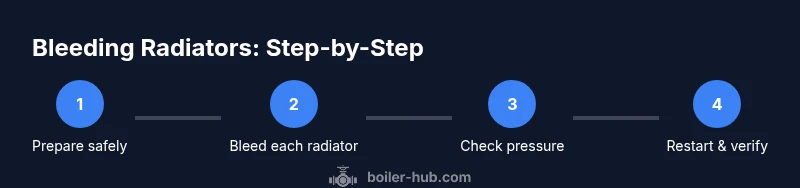
Yes. Turn the boiler off and allow the system to cool for several minutes before bleeding radiators. This reduces the risk of scalding and minimizes the chance of water spurting from vents. Once cooled, bleed radiators in a planned sequence, then restart the boiler and verify that all radiators heat evenly.
Should the boiler be off when bleeding radiators?
Bleeding radiators is a simple, practical way to restore heat and efficiency in a home heating system, but safety and reliability depend on your setup. Should the boiler be off when bleeding radiators? In most homes, yes. Turning the boiler off and allowing the system to cool for a few minutes reduces the risk of scalding and minimizes the chance of water spurting from vents. This is especially important if you are new to the process or if your boiler has just been serviced. The Boiler Hub team emphasizes safety as the first step: with a cool system, you can work calmly and avoid accidental burns or pressure surges. After you have bled a radiator, you’ll often notice a change in how quickly heat returns to that room, and you’ll understand more clearly how air pockets affect boiler performance. If your boiler feels unusually hot or if you suspect a recent leak, take a longer cooling period or postpone bleeding until a service check confirms everything is safe to operate.
How bleeding works: air pockets and pressure
Air trapped in radiators prevents hot water from circulating evenly, causing cold spots and noisy systems. Bleeding vents the air, allowing water to fill the gaps and restore flow. When you release air, water will eventually replace it—this is when a hiss-like sound fades and water begins to emerge steadily. If you hear continued whistling or see spurting water after opening, close the valve promptly and inspect for over-pressurized conditions. A well-ventilated system will heat more evenly and help extend the life of your boiler by reducing unnecessary strain. According to Boiler Hub, homeowners who bleed radiators correctly often improve heat distribution and reduce energy waste. Remember, always work in a safe, controlled manner and never force a valve beyond its resistance point.
Safety first: turning off, waiting, and protective steps
Before you begin, do a quick safety check. Ensure kids and pets are out of the work area, and wear gloves and eye protection if available. Shutting the boiler off and letting it rest reduces the risk of steam burns or scalding water. Wait until surfaces near the radiator are comfortable to touch, then start with the radiator in the highest occupied room. Use a plastic container and old towels to catch any water that escapes and place them on the floor. If your system uses a pressurized filling loop, consult the manual for the correct procedure to avoid over-pressurizing the boiler. If you smell gas or detect any gas-related warning signs, leave the area immediately and contact your gas supplier or emergency services.
Tools and prep: what you need before you start
Having the right tools before you begin speeds the process and minimizes mess. The essential items include a radiator bleed key (or a flat-head screwdriver for slotted valves), a small bucket or bowl to catch water, and several thick towels or rags to protect floors. A flashlight helps you see the valve clearly in tight spaces. If you’re working on a second-floor radiator, a helper can help manage dripping water and keep the area safe. Optional but helpful: a pen and notebook to log which radiators were bled and the time of bleeding, and a temporary mirror to view the valve from awkward angles.
Bleeding sequence: order matters for efficiency
Start with radiators furthest from the boiler, or those that feel coldest at first touch. Bleed one radiator at a time, closing the bleed valve firmly as soon as water appears. Keep the bleed key aligned straight with the valve to avoid cross-threading. If you bleed multiple radiators, work methodically through the property so you don’t miss any air pockets. After each radiator is bled, check for puddles around the valve and wipe them up to prevent floor damage. If a radiator is stubborn and won’t bleed, stop and move on to the next; you can revisit it later or call a professional if stubborn air persists.
Handling pressure: what to watch and how to top up safely
Bleeding systems lowers pressure; if the boiler pressure drops below the recommended range, you may need to top up using the fill loop described in your boiler manual. Do not pressurize beyond the maximum value noted on the pressure gauge. Re-check pressure after a short heating cycle to see if radiators stay warm and air pockets have been cleared. If the pressure climbs too high after bleeding, shut off the boiler and vent a small amount of water via the relief valve only if you know what you are doing, because this can be dangerous. Boiler Hub recommends consulting your manual or a professional for complex pressure adjustments.
Common mistakes and how to avoid them
Common mistakes include rushing the process, opening the valve too quickly, or bleeding without cooling the system first. Another frequent error is not placing a container correctly, leading to water damage on floors. People sometimes forget to re-pressurize after bleeding or assume all air is out once steam stops, which can leave cold spots. Finally, ignore persistent banging or leaks; these symptoms can indicate underlying issues with the pump, expansion tank, or valve corrosion. By slowing down, checking the gauge, and following a consistent sequence, you reduce risks and improve outcomes.
Aftercare: testing and adjusting your system
Once you’ve finished bleeding, turn the boiler back on and run the heating for a while to re-pressurize the system. Feel for warmth in every radiator, especially the lower ones, and listen for unusual noises. If some radiators stay cold, they may need a longer bleed or a check for trapped air deeper in the system. If the boiler cycles on and off rapidly, you may have an imbalance or pump issue; this is a signal to consult a technician. Keep an eye on the pressure gauge for a while and watch for any drift in readings. Maintaining a simple log of outcomes helps you notice patterns and plan future maintenance.
Maintenance cadence: how often to bleed and what else to monitor
Bleeding radiators is not a one-time fix; most homes benefit from a yearly or semi-yearly check, especially before the heating season begins. If you notice cold spots, banging, or reduced heat after bleeding, consider inspecting the pump, expansion tank, and valves for wear or blockage. Regularly check for leaks, corrosion, and signs of water around radiator valves. A well-maintained system runs more efficiently and helps extend boiler life. In addition to bleeding, follow the manufacturer’s guidance on flushing, inhibitor chemicals, and annual servicing to preserve performance.
Tools & Materials
- Radiator bleed key (or flat-head screwdriver for slotted valves)(Use the correct tool for your radiator valve type)
- Bucket or small container(To catch water when air escapes)
- Thick towels or rags(Protect floors and catch drips)
- Gloves (rubber or work gloves)(Hand protection against hot surfaces and water)
- Flashlight(Improves visibility in tight spaces)
Steps
Estimated time: 45-75 minutes
- 1
Turn off the boiler and let it cool
Shut the boiler down and allow the system to cool for several minutes. This reduces scalding risk and helps prevent water from spurting when you open the valve. Prepare your workspace with towels and a container before you begin.
Tip: Give extra time if you recently ran the heating or if the radiators feel very hot. - 2
Gather tools and prep the area
Lay out your bleed key, bucket, and towels in a location close to the radiator. Ensure children and pets are out of the area. Check that you have a clear path to the radiator valve.
Tip: Have a helper on standby to manage drips from higher floors. - 3
Position catch container and towel under valve
Place the bucket or bowl directly under the valve and lay towels around the area. This minimizes water damage and keeps the floor dry during bleeding.
Tip: Use a flashlight to clearly see the valve and avoid scratching the valve stem. - 4
Attach the bleed tool and loosen valve slowly
Insert the bleed key or screwdriver into the valve and turn very slowly to audible air release. Be prepared for a hiss of air followed by water. Stop opening as soon as water starts to emerge steadily.
Tip: Never force the valve; if resistance increases, close the valve and reassess. - 5
Close the valve once water appears
As soon as a steady trickle of water replaces the air, close the bleed valve firmly. Wipe away any residual water and move to the next radiator.
Tip: Keep your hand steady to avoid stripping the valve stem. - 6
Check boiler pressure and top up if needed
After bleeding, check the boiler’s pressure gauge. If the pressure is too low, follow your boiler manual to top up safely. Do not exceed the recommended pressure range.
Tip: If you’re unsure about pressure top-up, pause and seek professional help. - 7
Bleed the remaining radiators in sequence
Continue the process room by room, prioritizing radiators that feel cold or airier to the touch. Maintain a calm pace to ensure consistent results.
Tip: Always bleed one radiator at a time to keep track of progress. - 8
Restart the boiler and test heat distribution
Turn the boiler back on and run the heating. Check that all radiators heat evenly and there are no leaks around valves. Listen for unusual noises that could indicate trapped air in the system.
Tip: Give the system time to re-pressurize and circulate thoroughly. - 9
Document results and monitor
Note which radiators were bled and the final pressure reading. Monitor the system over the next few days for any signs of recurring air pockets or cold spots.
Tip: Keep a simple log to help diagnose future issues quickly.
Questions & Answers
Should I turn the boiler off completely before bleeding radiators?
Yes. Turning the boiler off and allowing it to cool minimizes scalding risk and reduces sudden pressure changes during bleeding.
Yes. Turn the boiler off and let it cool first to stay safe and avoid pressure surprises.
Can I bleed radiators while the heating is on?
Bleeding with the heating on increases the risk of hot water spray and sudden pressure shifts. It’s safer to turn the boiler off and wait until the system is cool.
Bleeding while the heat is on can cause burns and scattered water; safer to switch off first.
What tools do I need to bleed radiators?
A radiator bleed key (or a flat-head screwdriver for slotted valves), a small bucket, towels, and gloves are the essential toolkit. A flashlight helps in tight spaces.
You need a bleed key or screwdriver, a bucket, towels, and gloves to bleed safely.
What if water doesn’t come out when bleeding?
If air is trapped deeply or the valve is blocked, you may need to reposition the tool, check for corrosion, or pause and seek professional help.
If water won’t come out, there may be a blockage or a deeper issue; stop and consult a pro if needed.
Is it normal for air to come out after bleeding?
A small amount of air release is normal at first, but air should stop after a brief hiss and steady water flow. If air keeps returning, there may be another air source in the system.
Yes, initial air release can happen, but persistent air pockets suggest deeper issues.
How often should I bleed radiators?
Bleeding is typically done when you notice cold spots or noisy radiators, often before or during the heating season. Regular checks help prevent buildup of air pockets.
Bleed as needed when you notice cold spots or banging, usually seasonally or as problems appear.
Watch Video
Key Points
- Turn the boiler off and cool before bleeding.
- Bleed radiators in a logical sequence.
- Use a container and towels to manage water.
- Check boiler pressure after bleeding and adjust as needed.
- Restart heating and verify even heat across all radiators.