Do You Need to Repressurise a Boiler After Bleeding Radiators? A Practical Guide
Discover whether repressurising is necessary after bleeding radiators, how to assess boiler pressure, and a safe, step-by-step method to restore proper boiler pressure.


In most sealed boiler systems, you should repressurise after bleeding radiators because air removal lowers system pressure. Check the boiler pressure gauge when the boiler is cold; if it sits below the recommended range (usually around 1 to 1.5 bar), use the filling loop to restore pressure until you reach the target. After re-pressurising, bleed any radiators again if they feel air-filled, then check for leaks and test the heating.
Why repressurise after bleeding radiators is often necessary
Bleeding radiators is a routine maintenance task that removes trapped air and restores heat efficiency. However, most homes use a sealed boiler system, which relies on a specific pressure range to run safely. When you bleed a radiator, you expel air, and in many setups you also release a small amount of water from the system. That combination can lower the overall pressure in the closed circuit. The question many homeowners ask is, do you need to repressurise a boiler after bleeding radiators? The short answer, supported by practical field guidance from Boiler Hub, is yes in most cases. Restoring the pressure to the manufacturer-recommended level helps ensure the boiler starts reliably, heats evenly, and minimizes the risk of air re-accumulating in any radiator. If you notice frequent pressure drops after bleeding, there may be a larger issue at play, such as a leak, a faulty expansion vessel, or connections that require attention.
In this guide, we walk through what repressurising involves, how to determine when it’s needed, and a safe, step-by-step process you can follow. This information reflects Boiler Hub Analysis, 2026, which emphasizes maintaining correct boiler pressure as a cornerstone of reliable heating performance.
How pressure works in a typical sealed boiler system
A sealed boiler system stores water under pressure within the closed loop. The pressure gauge on the boiler indicates the current pressure, typically measured in bars. When the system is cold, most boilers aim for around 1 bar; when hot, the pressure can rise to around 1.5 to 2 bar. If air is bled from radiators, the act of releasing air also releases some water, which reduces the total amount of pressurized water circulating in the system. If pressure falls below the minimum safe limit, the boiler may refuse to fire, or heat output can drop, resulting in cold spots on radiators. Conversely, over-pressurising can stress components and trigger safety valves. Understanding these dynamics helps you decide whether repressurising is necessary after bleeding.
When you can skip repressurising
There are scenarios where re-pressurising may not be required. If your system gauge remains within the acceptable range after bleeding, and the boiler starts without issue, you might be able to avoid adding water. Some modern boilers regulate pressure automatically, or the reduction from bleeding may be negligible if the system is relatively full. However, even in these cases you should still monitor the pressure gauge for the next few heating cycles. A small drop can rebound as the system warms up, whereas a persistent or growing drop indicates a possible leak or a fault in the expansion vessel. Regular checks help ensure early detection of issues that could lead to boiler failure or inefficient operation.
How to re-pressurise your boiler safely
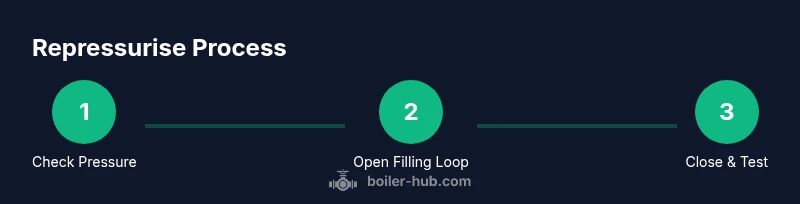
Re-pressurising a boiler generally involves using a filling loop to reintroduce water into the system until the gauge reaches the recommended range. The procedure varies by model, but the core concept remains the same: connect the filling loop, open the valves slowly, and monitor the gauge. Once the target pressure is achieved with the boiler cold, close the filling loop, and then run the heating to check that pressure remains stable as the system warms. After repressurising, it’s common to bleed radiators again because air may re-enter during the process. If you are uncertain, or if your boiler is showing signs of leaks, corrosion, or the pressure gauge behaves erratically, contact a qualified heating engineer. This approach prioritizes safety and preserves the long-term health of your boiler.
Common mistakes and how to avoid them
A few frequent errors can undermine repressurising attempts. First, add water too quickly—rushing can cause the pressure to overshoot, triggering the pressure relief valve. Second, neglecting to re-bleed radiators after repressurising can leave trapped air in the system, compromising comfort. Third, ignoring leaks or a recurring drop in pressure is a red flag; it may point to a faulty expansion vessel or a system leak that needs professional attention. Finally, if you operate a boiler without turning off the power or you delay addressing a sputtering or noisy unit, you risk damage or scalding hazards. Following a calm, methodical approach keeps you safe and avoids unnecessary wear on components.
Maintenance tips to prevent future pressure drops
Scheduling regular checks is key. Inspect the expansion vessel for signs of wear or loss of air pressure, which can cause the system to lose pressure after bleeding. Ensure radiators are bled only when needed, as routine bleeding can gradually reduce pressure. Consider scheduling a professional service every 12-18 months to verify seals, joints, valves, and the filling loop. Keep the boiler area clear of clutter and check for obvious leaks around joints and valves after repressurising. By combining careful operation with periodic professional service, you can minimize pressure fluctuations and extend the life of your boiler.
Tools & Materials
- Filling loop kit (hose with two isolation valves)(Ensure it is compatible with your boiler model and contains standard fittings)
- Gloves(Preferably heat-resistant; protects hands during bleeding/repressurising)
- Cloth or rag(To catch drips and keep the work area clean)
- Bucket or tray(Catch water spills and keep waste contained)
- Flat-head screwdriver (if required by your model)(Some models use screws on the filling valve)
Steps
Estimated time: 20-30 minutes
- 1
Check the current boiler pressure
Ensure the boiler is cold before you start. Read the pressure gauge; most systems should be around 1 bar when cold. Note whether the gauge is below the recommended range, which indicates a need to repressurise.
Tip: If your gauge reads well above 2 bar when cold, do not repressurise yet—wait for it to cool and consult a professional. - 2
Prepare the filling loop and valves
Position the filling loop hose, ensuring both valves are accessible. Close any safety devices or taps that might be near the filling loop. Have a rag ready to catch drips.
Tip: Do not force the valves; turn them gently to avoid damaging seals. - 3
Open the filling loop slowly
Open the valves gradually, allowing water to enter the system. Watch the pressure gauge closely as you do. Stop increasing pressure as soon as the gauge reaches the recommended level for a cold boiler.
Tip: Open both valves the same amount to avoid uneven pressure. - 4
Close the filling loop and inspect
Close the filling valves firmly once your target pressure is reached. Check for leaks around the filling valves and along the pipes. If you notice any moisture or wet patches, address the leak before proceeding.
Tip: If a leak is present, switch off the boiler and call a professional. - 5
Bleed radiators again if needed
After repressurising, air can still be trapped in radiators. Bleed each radiator again to remove any remaining air and ensure even heat distribution.
Tip: Start with the top floor radiators and move downward for efficiency. - 6
Restart the boiler and run a heat cycle
Turn the boiler back on and run a heating cycle. Check the pressure during heat and observe whether it rises beyond the target range as the system warms.
Tip: If pressure rises above 2 bar when hot, switch off and recheck the filling loop or call a pro. - 7
Monitor pressure over the next 24 hours
Keep an eye on the gauge after the initial repressurising. A small drift is normal, but a continuing drop may indicate a leak or expansion vessel issue.
Tip: Note any changes and contact a heating professional if the pressure remains unstable.
Questions & Answers
Do you need to repressurise a boiler after bleeding radiators?
Yes, in most sealed boiler systems, bleeding radiators lowers pressure and you should repressurise to restore the correct pressure range. Always verify the gauge when the system is cold and adjust to the manufacturer’s recommended range.
Most boilers need repressurising after bleeding radiators to restore the correct pressure. Check the gauge when cold and bring it back up to the recommended level.
What pressure should the boiler be at when cold?
Typically around 1 bar when cold, and up to around 1.5 bar when hot. Check your boiler’s manual because some models have slightly different targets.
Aim for about 1 bar when cold, rising to around 1.5 bar when hot, depending on your boiler model.
How long does repressurising usually take?
Most repressurising tasks take 15 to 30 minutes, including checking pressure, filling, bleeding radiators, and testing the system.
Most repressurising takes about 15 to 30 minutes with some testing.
What should I do if the pressure drops again after repressurising?
If pressure drops again, inspect for leaks, check the expansion vessel, and consider professional service. Repeated drops often indicate a more serious issue.
If pressure drops again, check for leaks and consider a professional service for expansion vessel issues.
Can I bleed radiators and repressurise myself safely?
Yes, with proper precautions and following the manufacturer’s instructions. If you’re unsure or uncomfortable, hire a qualified heating engineer.
Yes, you can do it yourself if you follow safety steps; otherwise hire a professional.
What are signs of a failing expansion vessel?
Frequent pressure drops, a boiler that stays hot or noisy, or a system that cannot hold pressure after repressurising can indicate expansion vessel issues.
Frequent pressure loss and unusual boiler noise can point to expansion vessel problems.
Is it safe to operate the boiler after repressurising?
Yes, once the pressure is within the normal range and there are no leaks. Monitor for stability and ensure radiators heat evenly.
It’s safe to operate once pressure is stable and there are no leaks.
Should I call a professional if I see leaks around the filling loop?
Yes. Leaks around the filling loop require professional assessment to prevent water damage and ensure proper resealing.
Leaks mean you should call a professional to prevent damage and ensure a proper seal.
Watch Video
Key Points
- Repressurise after bleeding radiators in most sealed systems.
- Check cold boiler pressure and aim for the manufacturer’s target around 1 bar.
- Bleed radiators again after repressurising to remove trapped air.
- Monitor pressure for 24 hours to catch leaks or faulty components.
- If uncertain or the pressure remains unstable, contact a heating professional.