Oil Boiler Service: Essential Maintenance Guide
Learn how an oil boiler service keeps your oil-fired boiler safe, efficient, and compliant. Step-by-step guidance, safety checks, and tips to prepare and work with a qualified technician.


An oil boiler service is a yearly maintenance check by a qualified technician to keep your burner efficient and safe. It covers burner cleaning, safety device tests, and emission checks. Scheduling a service at least once a year helps reduce breakdowns, improve efficiency, and protect your home from carbon monoxide risks.
What an oil boiler service covers
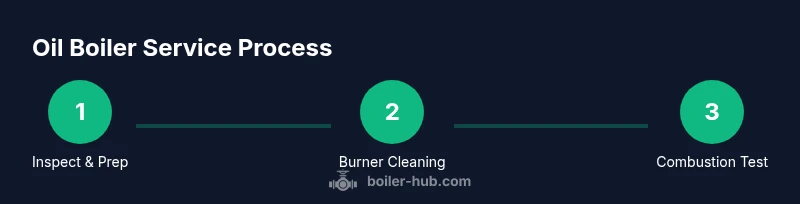
An oil boiler service is a professional maintenance visit designed to verify that your oil-fired boiler operates safely, efficiently, and within regulatory standards. The service typically begins with a visual inspection of the boiler cabinet, flue, and surrounding area to check for leaks, corrosion, or signs of fuel oil contamination. The technician then shuts down the boiler, isolates the power, and prepares the system for a thorough internal check. Key tasks include inspecting the burner and fuel line for wear, cleaning accessible surfaces, and testing the ignition and flame stability. The nozzle and filter are inspected and cleaned or replaced as needed, because dirty or worn components can reduce efficiency and increase emissions. The combustion chamber is examined for signs of soot or incomplete combustion, and the flue system is checked for obstructions that could force combustion products back into the living space. The technician uses a combustion analyzer to measure flue gas concentrations, oxygen levels, and carbon monoxide or dioxide output, ensuring the boiler safely meets local emissions standards. Finally, safety devices such as the primary/automatic pressure relief valve, low-water cut-off, and carbon monoxide detectors are tested, and the boiler's control settings are verified. All findings are documented, and recommendations for repairs or replacements are provided. According to Boiler Hub, a regular oil boiler service protects your home by ensuring safe operation and optimal efficiency.
The safety and efficiency benefits of regular oil boiler service
Regular oil boiler service plays a crucial role in home safety and system performance. By thoroughly inspecting and cleaning the burner, fuel line, and nozzle, technicians identify wear and contamination that can lead to inefficient combustion or fuel leaks. Emissions testing confirms that the boiler maintains safe levels of carbon monoxide and other byproducts, reducing the risk of hazardous exposure inside the home. A well-maintained boiler is less prone to unexpected breakdowns, which helps avoid disruptive outages and costly emergency repairs. Beyond safety, routine service helps preserve efficiency by ensuring burners are properly tuned and seals are intact, which minimizes fuel usage and maximizes heat output. The service report also documents any recommended parts replacements or adjustments, enabling you to budget proactively and extend the boiler’s lifespan. The Boiler Hub analysis highlights that attention to maintenance translates into steadier performance and safer operation, making yearly service a wise investment for both homeowners and facility managers.
What happens during a service appointment
A typical oil boiler service follows a standardized sequence to maximize safety and accuracy. The technician arrives with a service checklist and performs a visual inspection of the boiler area, exhaust vent, and fuel lines for signs of wear or leaks. The burner is inspected and cleaned, and the fuel filter is checked and replaced if needed. The ignition system is tested to confirm reliable lighting, and the flame is observed for stability. A combustion analyzer is used to measure flue gas composition, oxygen levels, and carbon monoxide output, ensuring emissions stay within acceptable limits. Safety devices such as the low-water cutoff, pressure relief valve, and CO detectors are tested for proper operation. Finally, a written report is provided detailing findings, recommended repairs, and a record of the service date for future reference.
How to prep your boiler and home before the service
Prepping ahead helps the technician work quickly and safely. Make sure the boiler area is clear of clutter, with at least 3 feet of space around the unit. Locate your model and serial numbers, and gather any previous service records or warranties. If you have an oil storage tank, ensure access and provide any relevant fuel specifications. Inform the technician about any recent issues, such as unusual noises, pilot ignition problems, or fluctuating heat. If you have a carbon monoxide detector, test its battery and placement, and note its readings for the technician. Finally, schedule a time that allows for proper cooling if the boiler has been recently active and plan for a short service window.
How to choose a qualified oil boiler technician
Select a licensed, insured technician with proven experience servicing oil-fired boilers. Ask for certifications, references from other homeowners or facility managers, and proof of liability coverage. Request a written estimate that itemizes the service scope and any potential parts replacements. Check online reviews and verify that the technician can provide a detailed service report with test results. In regions with strict regulations, look for technicians familiar with local emission standards and code compliance. If possible, obtain a second opinion for any major repairs or part replacements suggested during the service.
Common issues identified during servicing
During an oil boiler service, technicians frequently discover issues that, if neglected, could lead to inefficiency or safety concerns. These may include a dirty or misaligned burner, clogged nozzles or filters, worn ignition components, oil leaks around seals, degraded gaskets, soot buildup in the combustion chamber, and a blocked or restricted flue. If carbon monoxide detectors show elevated readings, or if combustion analysis indicates abnormal gas levels, immediate action is required. Regular servicing also helps catch wear in pumps, pressure valves, and seals before they fail, preventing sudden outages. The final service report should outline what was found and what actions are recommended to restore peak performance.
Authority sources and credible guidance for oil boiler maintenance
For best practices in oil boiler maintenance, consult credible sources that provide safety and regulatory guidance. For example, governmental and educational resources offer general guidance on combustion safety, emissions testing, and maintenance schedules. The following links provide reliable context and standards to inform your service planning:
- https://www.energy.gov/
- https://www.orau.gov/
- https://www.ornl.gov/ Note: Always cross-check local codes and regulations and rely on a licensed professional for any hands-on work.
Safety reminders and aftercare
After the service, keep records of the inspection, maintenance actions, and test results for your boiler’s service history. Install and maintain functioning carbon monoxide detectors near sleeping areas and in the boiler room. Schedule next year’s service in advance to avoid gaps in maintenance. If you notice any unusual odors, smoke, or changes in flame color (yellowish or orange instead of blue), contact a technician immediately. Finally, maintain clear ventilation around the boiler and ensure fuel storage and delivery pathways remain unobstructed.
Tools & Materials
- Owner's manual and service records(Keep for reference and model-specific guidance)
- Combustion gas analyzer(For measuring CO2, O2, and CO levels)
- Oil filters and burner nozzle kit(Only if recommended by technician)
- Fuel oil system test kit(Optional, depending on system)
- Leak detection fluid (or soap solution)(Spot-checks for oil leaks)
- Personal protective equipment(Gloves, eye protection, coveralls)
- Soft brush and lint-free cloths(For delicate cleaning of burner surfaces)
- CO detector batteries(Ensure working CO alarms in home)
Steps
Estimated time: 90-120 minutes
- 1
Power down and secure the area
Shut off power to the boiler and seal the area to prevent accidental ignition or oil exposure. This step ensures the technician can work safely and reduces the risk of injury. If the boiler has been running, allow it to cool for a short period before starting any inspection.
Tip: Keep children and pets away; take a quick photo of the setup for records. - 2
Inspect exterior components and seals
Check the boiler casing, piping, and seals for signs of wear, corrosion, or leaks. Note any oil residues around the area, which could indicate a developing leak. This initial inspection guides subsequent internal checks.
Tip: Document any visible concerns with photos to discuss with the tech. - 3
Access burner, nozzle, and filters
Open the service panel and inspect the burner assembly, nozzle, and filters. Clean accessible surfaces and replace worn parts as indicated by the technician. Clean components improve combustion stability and fuel efficiency.
Tip: Avoid forcing components; use the recommended cleaning tools. - 4
Test ignition and flame stability
Verify reliable ignition and monitor flame color and stability. A stable blue flame indicates proper combustion; a yellow flame or irregular flicker may signal adjustment needs or burner wear.
Tip: If ignition is inconsistent, inform the technician immediately for safety assessment. - 5
Perform combustion analysis
Use a combustion analyzer to measure CO, CO2, O2, and excess air levels. Compare results against equipment specifications and local emissions standards. Adjust burner settings as needed to optimize efficiency and minimize emissions.
Tip: Keep written results for your records and future comparisons. - 6
Check safety devices and controls
Test the low-water cutoff, pressure relief valve, high-limit switch, and carbon monoxide detectors. Confirm proper operation and that alarms trigger at safe levels. This step is critical for ongoing home safety.
Tip: Replace or recalibrate detectors if readings are outside the safe range. - 7
Inspect oil supply and venting
Examine fuel lines for cracks or leaks and ensure the venting system is clear and unobstructed. A blocked vent can cause dangerous pressure buildup and poor combustion.
Tip: Do not run the boiler with a known vent obstruction; seek professional clearance. - 8
Finalize with a service report
Receive a written report detailing findings, measurements, and recommended actions. Schedule any needed repairs or component replacements and set a future service date.
Tip: Keep the report with your boiler’s records for compliance and resale value.
Questions & Answers
Why should I service an oil boiler regularly?
Regular servicing helps ensure safe operation, reduces the risk of carbon monoxide exposure, and keeps the boiler running efficiently. It also catches worn parts before they fail, which can prevent costly breakdowns.
Regular servicing keeps your oil boiler safe and efficient and helps catch worn parts before they fail, reducing the risk of dangerous emissions.
How often should an oil boiler be serviced?
Most manufacturers and safety guidelines recommend an annual service by a qualified technician. In high-use or harsh climates, some facilities may schedule biannual checks for extra assurance.
Most homes should have a yearly service, with more frequent checks if the boiler runs heavily or in extreme conditions.
Can a homeowner perform an oil boiler service themselves?
Oil boiler servicing involves working with combustion and fuel systems, which should be done by a licensed technician. Homeowners can perform basic safety checks, like ensuring clear area and testing CO detectors, but the hands-on service belongs to a professional.
DIY is not recommended for the hands-on service; you can handle basic safety checks, but a licensed technician should perform the main maintenance.
What signs indicate my boiler needs service soon?
Look for odd smells, yellow flames, soot around the unit, damp patches near fuel lines, or fluctuating heat. If CO detectors alert or the boiler cycles abnormally, arrange service promptly.
If you notice odd smells, soot, or unstable heating, schedule service soon, and check CO detectors immediately.
Is it safe to run the boiler after a service?
Yes, after a service the boiler should be operating normally if the technician has completed checks and approved the system. If there are any residual concerns, ask for clarification before resuming full use.
If the service is finished and the tech says it's safe, it should be fine to run. If you’re unsure, ask for a quick walk-through.
Do service costs vary much for oil boilers?
Service costs vary by location, boiler type, and the extent of required work. Expect a professional quote after an initial assessment; avoid providers who offer unusually low prices without a clear scope.
Pricing varies; you’ll typically get a quote after an assessment. Be wary of unusually low offers that lack detail.
Watch Video
Key Points
- Schedule an oil boiler service annually.
- Expect burner cleaning, safety tests, and combustion analysis.
- Choose a licensed technician with oil boiler experience.
- Record service findings for future reference.
- Maintain working CO detectors and clear ventilation.