How to Use a Boiler in Industrialist Roblox: A Practical Guide
Learn how to use a boiler in Industrialist Roblox with step-by-step setup, safety checks, and optimization tips from Boiler Hub to power your factory efficiently.


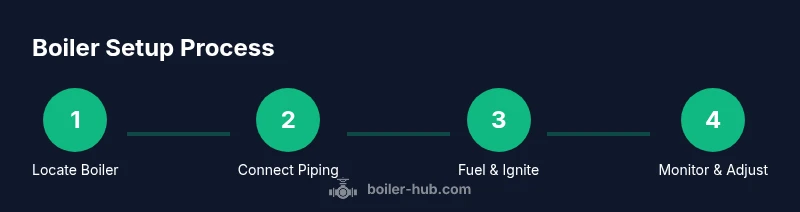
In Industrialist Roblox, using a boiler involves locating the boiler, supplying fuel, connecting it to your system, and monitoring heat and pressure to keep machines running smoothly. This quick guide outlines essential setup, safety checks, and optimization tips from Boiler Hub so you can power your factory reliably.
What a Boiler Does in Industrialist Roblox
In Industrialist Roblox, a boiler functions as the primary heat source for your virtual factory. It converts fuel into steam power that drives conveyors, furnaces, and other machines within your production line. Players rely on consistent heat and pressure readings to keep workflows moving and to avoid bottlenecks. The Boiler Hub Team emphasizes that a stable steam supply translates to fewer shutdowns and smoother automation. By understanding the basics of heat, pressure, and fuel intake, you can plan layouts that minimize piping length while maximizing output. As you progress, you’ll learn to balance fuel consumption with energy output to maintain steady production without overloading your system.
Brand Context and Practical Framing
According to Boiler Hub, success in Roblox boiler setups hinges on predictable performance and clean integration with neighboring machines. The boiler should be treated as a critical asset in your factory, not a single gadget. Plan its placement for easy access to fuel storage and maintenance tools, and ensure safety indicators are visible to all players who interact with the line. This mindset—viewing the boiler as part of a larger system—helps you optimize throughput while reducing downtime. The Boiler Hub Team notes that players who adopt this systems-thinking approach tend to finish builds faster and with fewer hassles.
Safety First: Game Mechanics and Rules
Even though Industrialist Roblox is a game, applying basic safety thinking improves results. Keep ignition sequences orderly, avoid rapid fuel dumps, and monitor gauges to prevent overheating or over-pressurization. Use in-game cooldowns and guards to restrict access to the boiler when it’s hot or pressurized. The game rewards players who implement simple safety checks with steadier production and fewer emergency resets. Treat the boiler room as a controlled area where only authorized teammates can operate key controls during peak cycles. Safety habits set a strong foundation for more advanced automation later.
Setting Up the Boiler Environment
Before you start, map out where the boiler will sit and how it connects to your piping network. Ensure there is a clear path for fuel delivery and that a nearby power or ignition source is available if required by your version of Industrialist Roblox. The workflow should minimize cross-traffic and allow quick access for refueling and maintenance. In practice, grouping the boiler near fuel storage and main machine clusters reduces travel time for players and speeds up routine checks. The Boiler Hub guidance highlights the importance of a tidy, accessible setup to prevent accidental disconnections or fuel spills in the game.
Fuel, Water, and Power Considerations in-Game
Fuel type and availability influence how efficiently your boiler operates. In many Roblox variants, coal or wood equivalents provide the baseline energy, while some versions simulate gas or liquid fuels. Always keep a reserve of fuel so you can respond to sudden demand without stalling lines. If your version uses water cooling or feed, connect a water tank or reservoir to maintain safe operating temperatures. Power for ignition or control modules may come from an in-game cell or external source. Balance energy input with machine demand to avoid waste and oversupply.
Monitoring and Maintenance: The Day-to-Day Routine
Regular monitoring is the key to a reliable boiler. Check heat and pressure gauges at each production cycle, ensure fuel levels are adequate, and confirm that all valves are closed during idle periods. An efficient routine reduces peak-time lag and helps you catch issues before they cascade into downtime. Schedule brief cooldowns after intense production bursts to stabilize the system. If you notice erratic gauge readings, pause production, inspect connections, and re-seal any loose pipes. Routine maintenance is your best defence against unexpected shutdowns.
Troubleshooting Common Issues
Overheating, loss of steam, or sudden drops in pressure are typical signs of a boiler issue. Start by confirming fuel supply is steady and that ignition systems are functioning. Check for clogs in pipes or leaks in connections, as even small leaks can cause big performance drops. If gauges show abnormal readings, inspect safety valves and reset sequences per in-game guidance. When in doubt, restart the boiler cycle to reestablish baseline conditions, then gradually reload fuel and re-tune heat settings. The goal is consistent output with minimal fluctuation.
Efficiency and Automation Tips
Advanced players automate boiler operations with simple in-game logic or preset sequences. Create a yawningly steady heat curve by correlating fuel input with output demands, enabling faster startup and smoother shifts between production modes. Use valves and timers to modulate steam flow to adjacent machines, reducing waste. If your server supports it, integrate scripting or macro-like behavior that maintains safe margins for pressure and temperature. Boiler Hub’s recommendations emphasize automation as a path to higher throughput without sacrificing reliability.
Collaboration, Roles, and Community Help
Roblox factory builds often involve multiple players. Assign roles for fueling, monitoring, and maintenance so the boiler never sits unmanned during critical cycles. Establish a quick-reference checklist for the team and practice together in a staging area before pushing changes live on production lines. When you encounter a unique problem, reach out to teammates or consult in-game tutorials; a second pair of eyes can quickly spot issues you might miss. The collaborative approach reduces downtime and accelerates learning for everyone involved.
Tools & Materials
- In-game Boiler Unit(The primary heat source for powering connected machinery.)
- Fuel supply (coal/wood or gas)(Ensure you have enough in-game fuel; type depends on version.)
- Piping/Conduit Segments(Connect boiler to machines and condensers with minimal length.)
- Wrench or Interaction Tool(Helpful for tightening connections or toggling settings.)
- Water Tank (if applicable)(Used if your variant requires water cooling or feed.)
- Power/Ignition Source(Needed if your game variant requires external ignition or power.)
Steps
Estimated time: 25-40 minutes
- 1
Locate the boiler and prep the area
Find the designated boiler unit in your factory map and clear a safe service zone around it. Check that fuel storage is nearby and accessible, and ensure there is a clear path to the main machines it will power. This setup reduces travel time during refueling and maintenance, which helps keep production steady.
Tip: Keep a dedicated fuel crate within arm’s reach of the boiler for quick refueling. - 2
Check fuel and power connections
Verify that the fuel line is connected and that there is a reliable fuel supply feeding the boiler. Confirm that any ignition or electrical connections are properly seated and that safety valves are in place. A quick visual check now saves troubleshooting later.
Tip: If your version uses power, test the ignition circuit with a low load picture to verify stability before a full start. - 3
Connect boiler to the pipeline network
Attach piping segments from the boiler outlet to the first machine in your production line, then extend to downstream equipment as needed. Keep pipes organized and avoid crossing paths with high-traffic zones to minimize accidental disconnections. Check for leaks or loose fittings.
Tip: Label pipe routes in your in-game UI to avoid confusion during maintenance. - 4
Fill the boiler with fuel and prime ignition
Load the appropriate amount of fuel and initiate the ignition sequence. Start with a conservative fuel load to test the baseline heat output. Observe how quickly the boiler reaches operating temperature and adjust fuel input if necessary.
Tip: Monitor fuel consumption during the first test run to calibrate fuel intake. - 5
Power on and monitor indicators
Switch the boiler on and watch heat and pressure indicators. Ensure gauges rise to stable values without overshooting. If indicators flicker or spike, pause production and check for obstructions or leaks in piping.
Tip: Set a temporary safety margin—don’t let heat reach critical highs during initial cycles. - 6
Regulate heat and pressure for optimal output
Adjust fuel input to maintain a steady heat curve that matches the demand of downstream machines. Avoid constant high-output states; instead, modulate to prevent waste and overheating. This is where automation can help maintain consistent performance.
Tip: Use gradual increments when changing fuel input to avoid sudden pressure changes. - 7
Run a test cycle and observe performance
Initiate a controlled test cycle to confirm that all connected devices receive stable steam flow. Note any lag between boiler adjustments and machine response. Iterate on fuel tuning and valve settings based on the observed data.
Tip: Document test results so you can reproduce stable performance on future runs. - 8
Schedule maintenance and troubleshooting
Create a maintenance schedule that includes periodic checks of fittings, gauges, and fuel lines. Establish a rapid response protocol for alert conditions and assign a team member to monitor during peak hours. Regular maintenance reduces unplanned downtime.
Tip: Keep a log of maintenance tasks and observed anomalies for continuous improvement.
Questions & Answers
What happens if the boiler overheats in Industrialist Roblox?
Overheating can trigger shutdowns or reduce efficiency. Pause production, inspect connections, and reduce fuel input until temperatures stabilize. Always keep a safe monitoring interval to prevent damage in the game.
Overheating can trigger shutdowns. Pause, inspect connections, and reduce fuel input until temperatures stabilize.
Do I always need a water feed for boilers in this game?
Not every boiler variant requires a water feed. If your version uses water cooling or feed, connect a water reservoir and ensure it stays topped up during operation.
Water feed depends on the version. If your setup uses water, keep the reservoir topped up.
How can I tell if my boiler has enough fuel?
Check the fuel indicator or the fuel line status in the UI. If fuel is depleting quickly, increase input gradually and monitor heat output to avoid waste.
Check the fuel indicator, then taper input gradually if fuel runs low.
Can I automate boiler controls in Industrialist Roblox?
Yes, many players set up basic automation with in-game timers and valves. If your server supports scripting, you can layer simple automation to maintain steady output while respecting safety margins.
Automation is possible with timers and valves; scripting can enhance it if your server allows.
Where can I find boiler components or help in-game?
Boiler components are typically found near the factory hub or fuel storage. Use in-game tutorials or ask teammates in the chat to get quick guidance.
Look near the boiler area and fuel storage; use tutorials or ask teammates for help.
Is there a recommended fuel type for efficiency?
Efficiency varies by version; start with the default fuel and adjust based on performance. Avoid wasting fuel by maintaining a steady burn rate aligned with demand.
Start with the default fuel and adjust based on how it performs; don't waste fuel.
Watch Video
Key Points
- Identify boiler placement early for efficient access.
- Maintain steady heat for reliable production.
- Monitor gauges and fuel use to prevent downtime.
- Plan maintenance to reduce unexpected shutoffs.
- Use automation to optimize output without overheating.