How to Fix Boiler Pilot Light: Step-by-Step Guide
Learn how to diagnose and safely fix a boiler pilot light, with practical steps, safety checks, and maintenance tips to prevent future outages. Includes when to call a professional.


This guide outlines how to determine why a boiler pilot light won’t stay lit, how to safely relight it when allowed by your model, and when to replace components like the thermocouple or gas valve. It emphasizes safety first, including proper ventilation and gas leak precautions. If you smell gas or can’t identify the correct relighting procedure, stop and call a licensed technician. According to Boiler Hub, following model-specific instructions and safety checks reduces risk during a fix-how to fix boiler pilot light.
Understanding the Pilot Light and Common Causes
The pilot light is a small flame kept burning inside many gas boilers. When it goes out, you lose the boiler’s ability to ignite main burners, which stops heat delivery to your home. Common causes include a dirty or faulty thermocouple, a malfunctioning gas control valve, a blocked burner or orifice, drafts near the flue, low gas pressure, or a failed safety switch. Aging boilers may also suffer from worn seals or scale buildup on the burner. When you search for how to fix boiler pilot light, you’ll find that many fixes revolve around restoring a stable flame and ensuring safe gas supply. Boiler Hub notes that many pilot light failures are symptoms of a larger issue, so start with a quick safety check and then work through each potential cause.
Safety First: Know When to Call a Pro
Gas appliances carry inherent risks. If you smell gas, hear hissing, or notice immediate dizziness or headaches, leave the area and contact emergency services. Do not relight the pilot if you suspect a gas leak. Ventilation is essential; ensure windows are open and there is good airflow before attempting any inspection. If your boiler manual requires professional service for relighting or component replacement, respect that instruction. The goal of this guide is to empower you to perform basic checks safely, not to replace professional service when it’s required by code or a faulty component.
Diagnostic Checklist: Is the Pilot Ready for Relighting?
Before any relighting attempt, verify the gas supply is on and the shutoff valve is fully open. Check for obvious signs of trouble: soot around the burner, corrosion on the valve, or a flame sensor that appears dirty. Ensure the boiler room is well-ventilated and that a CO detector is present and functional. If you notice a yellow or flickering flame rather than a healthy blue flame, that can indicate incomplete combustion or air/gas mixture problems. Keep a flashlight handy to inspect the pilot assembly safely, and document any findings for reference when you call a technician.
Step-by-Step Diagnostic Flow (Overview)
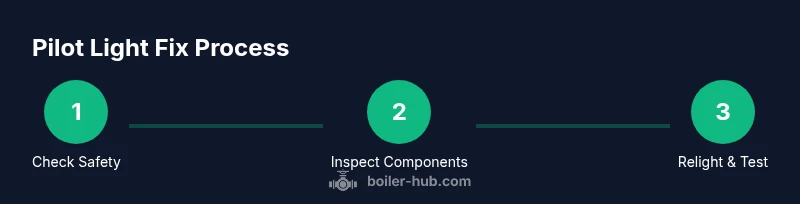
This section provides a systematic approach to diagnose the most common pilot light failures. Start with simple checks (gas supply and venting), then inspect the pilot assembly, thermocouple, and safety components. If any step seems uncertain, pause and consult the boiler manual or contact a technician. A careful, methodical process reduces the risk of gas exposure and helps you determine whether a DIY relight is feasible or if professional service is needed.
Relighting the Pilot Light: Safe Techniques
Relighting a pilot light should follow the boiler’s manufacturer instructions. If your boiler has a standing pilot with an accessible pilot or an electronic ignition, use the prescribed method. Generally, you’ll warm the thermocouple area, ignite the pilot with a long, purpose-built lighter, and hold the button or knob in the relight position for a specified period. If the flame remains unstable or goes out again, do not keep attempting relights; this could indicate a faulty thermocouple, gas valve, or blocked burner. In many cases, replacing a dirty thermocouple or repairing a faulty gas valve is needed.
What If the Pilot Lights but Goes Out Again?
A pilot that lights but keeps going out often signals a thermocouple issue, draft or air flow problems, or a restrictive gas supply. Inspect and clean or replace the thermocouple if accessible, and check for any air leaks in the supply line. If you notice repeated outages, it’s safer to contact a licensed technician to test gas pressure, venting, and safety switches. Repeated relighting attempts can cause gas buildup in the area and pose a fire risk if not properly contained.
When to Replace Components or the Boiler System
If the thermocouple, gas valve, or pilot assembly shows signs of wear or damage, replacement is usually required. Some boilers have modular components that are easier to replace; others require professional service. The cost is often influenced by the model, the extent of the issue, and whether the boiler is under warranty. In many cases, a failed safety device or a severely degraded pilot assembly cannot be repaired safely, and replacement is the best option. Boiler Hub recommends evaluating the long-term reliability and energy efficiency when deciding whether to repair or replace.
Preventive Maintenance to Reduce Future Pilot Light Problems
Regular maintenance helps prevent pilot light outages. Schedule annual boiler servicing, clean the burner and flame sensor, and check venting for obstructions. Keep the area around the boiler clear of dust, paint, and fabric, and ensure CO detectors are functional. When you document maintenance, you’ll be better prepared for future troubleshooting and any warranty requirements. Consistent upkeep extends the life of the boiler and reduces unexpected outages, saving energy and avoiding costly emergency calls.
Tools & Materials
- Owner’s boiler manual(Model-specific relighting instructions and safety warnings)
- Basic hand tools (screwdrivers, pliers)(Phillips and flathead; for service panel access)
- Flashlight(Bright LED; inspect burner and pilot area)
- Soap solution or bubble soap(Check for gas leaks around joints after reassembly)
- Long-reach lighter or striker(Used to safely ignite the standing pilot if applicable)
- Gloves and eye protection(Protect hands and eyes from heat and sharp edges)
- Ventilation check (CO detector)(Ensure carbon monoxide detector is functioning)
- Utility rag and bucket(Cleanup and wipe spills; keep area dry)
Steps
Estimated time: 60-90 minutes
- 1
Power off, gas off, and ventilate
Shut off the boiler power at the switch and turn the gas supply valve to the OFF position if you plan to inspect the system. Open a window or door to ensure the room is well-ventilated. This reduces the risk of gas buildup while you inspect the pilot area.
Tip: Always verify there is no gas odor before restarting any inspection. - 2
Locate the pilot and safety assembly
Open the access panel and locate the pilot assembly, thermocouple, and flame sensor. Use a flashlight to inspect for obvious dirt, soot, or corrosion. Document any signs of wear for later reference if you must replace components.
Tip: Refer to the manual’s diagram to avoid misidentifying components. - 3
Check gas supply and venting
Confirm the gas valve is fully open and there is no kink or obstruction in the gas line. Inspect the vent or flue for blockages, since poor venting can cause the pilot to fail to stay lit. If you detect a gas smell, exit immediately and contact emergency services.
Tip: If the flame is yellow or irregular, do not proceed with relighting. - 4
Clean the flame sensor and thermocouple
Gently remove soot from the flame sensor and thermocouple using a soft brush or sandpaper designed for metal surfaces. Reattach and ensure a clean, unobstructed flame path. Dirty sensors are a common cause of intermittent pilot outages.
Tip: Avoid applying liquids directly to electrical components. - 5
Attempt a controlled relight (if safe)
If your boiler manual allows, relight using the recommended ignition method. Hold the ignition/relight control for the duration specified in the manual (often 30–60 seconds) while observing a steady blue flame. If you cannot obtain a steady flame, stop and proceed to the next step.
Tip: Never lean over the burner while relighting; keep your body to the side. - 6
Test operation and observe for outages
After relighting, turn the gas and power back on and monitor the boiler for a few cycles. Listen for unusual noises or detect any gas odors. If the pilot goes out again, record the exact time and conditions and prepare to contact a professional.
Tip: Note whether the flame height matches the manufacturer’s specification. - 7
Decide on replacement vs. repair
If cleaning and relighting fail or the pilot repeatedly extinguishes, you may have a failing thermocouple or gas valve. Compare the cost of parts and service with the boiler's age and energy efficiency. Prioritize safety.
Tip: Keep receipts and notes for warranty or service records.
Questions & Answers
What causes a boiler pilot light to go out?
Pilot outages can be caused by a dirty thermocouple, a faulty gas valve, drafts near the flame, a blocked burner, or low gas pressure. Age and improper maintenance also contribute. Always start with safety checks before troubleshooting components.
Pilot outages are usually due to a dirty thermocouple, a failing gas valve, or drafts. Start with safety checks, then inspect the thermocouple and valve.
Is it safe to relight a boiler pilot light myself?
Relighting can be safe if you follow the boiler’s manual and safety precautions. Never relight if you smell gas or the area is not well-ventilated. If you’re unsure or uncomfortable, contact a licensed technician.
Relight only per the manual and if the area is well-ventilated; if you smell gas or feel uncertain, call a professional.
What is a thermocouple and what does it do?
A thermocouple detects heat from the pilot flame to allow gas to flow. Over time it can foul or fail, causing the pilot to shut off. Cleaning or replacing it often restores reliable ignition.
The thermocouple senses heat and tells the gas valve to stay open. If it fouls, the pilot goes out.
Can I adjust the flame height on a pilot light?
Some boilers allow flame height adjustment via a control valve. If your manual specifies this and you know how to adjust safely, do so. If not, avoid altering the flame and seek professional help.
Flame height adjustment depends on the model; follow the manual or consult a pro.
When should I replace the pilot assembly or boiler components?
If the pilot continues to fail after cleaning and inspection, or if the thermocouple/gasket shows wear, replacement is often required. Consider the boiler’s age and efficiency when deciding between repair and replacement.
Replace components if issues persist after cleaning and inspection; consider overall boiler age.
Key Points
- Identify and verify safety before any relight.
- A dirty thermocouple or faulty valve is a common fix.
- Relight only as per manual; call a pro if uncertain.
- Regular maintenance reduces future pilot outages.
- Safety equipment and venting are essential for safe operation.