How to Boiler Blowdown: A Practical Step-by-Step Guide
A thorough, safe guide to how to boiler blowdown, covering prerequisites, tools, step-by-step instructions, and maintenance tips for homeowners and facility managers.


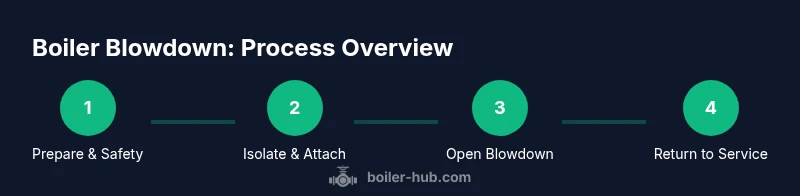
You will learn how to perform a safe, effective boiler blowdown to remove sludge and maintain efficiency. This guide covers manual blowdown steps, safety checks, required tools, and common mistakes. You will isolate the boiler, shut the feed valve, connect a heat-rated hose, open the blowdown valve, monitor water quality, and return the system to service.
What is boiler blowdown and why it matters
Boiler blowdown is the controlled removal of water from a boiler to manage dissolved solids and prevent buildup that reduces efficiency and shortens equipment life. When people search how to boiler blowdown, they’re learning to maintain water quality and prevent scale in heat exchangers. Regular blowdown helps maintain boiler efficiency, protect piping, and extend service life by keeping salt concentrations and sludge under control. The basic idea is to periodically remove a portion of boiler water and replace it with fresh feedwater, diluting impurities. In most hot-water and steam boilers, the blowdown outlet is connected to a drain or sewer line; a drain hose is attached and water is discharged with the boiler either at low or atmospheric pressure depending on the design. According to Boiler Hub, implementing a consistent blowdown protocol reduces corrosion and mineral buildup, contributing to longer equipment life and fewer unscheduled outages. Understanding the why and when will help you decide whether a given situation warrants a blowdown and how to execute it safely.
Safety first: prerequisites and risk management
Safety is non-negotiable when performing boiler blowdown. Before you touch any valve, verify that the boiler is cool to the touch, depressurized, and isolated from the feed water line. Step one is to review the manufacturer’s instructions for your model; different boilers have different blowdown schemes. Wear PPE, including safety glasses and chemical-resistant gloves, and keep a heat-resistant bucket or container ready to catch overflow. Ensure you have a means to vent steam away from yourself and bystanders, and never stand directly in line with the discharge. Confirm there is adequate ventilation to prevent fumes from accumulating in enclosed spaces. If you’re unsure about your boiler model, consult the manual or a qualified technician. Boiler Hub analysis shows that following a documented safety checklist reduces errors and injuries dramatically. After you complete the blowdown, inspect the drain area for leaks and re-check system pressure before returning it to service.
Understanding water chemistry and blowdown types
Blowdown helps manage total dissolved solids (TDS) and other impurities that accumulate in boiler water. There are two common approaches: manual intermittent blowdown and continuous automatic blowdown. With manual blowdown, you open the valve briefly to purge a known amount of water, then close it. Automatic blowdown uses a timer or conductivity sensor to regulate the drain, maintaining target TDS levels with less hands-on intervention. The goal is not to waste water, but to keep the concentration of minerals in the boiler water within the design limits to avoid scale, corrosion, and overheating. The quality of feedwater, makeup water, and the system’s design influence the frequency and duration of blowdown. In practice, you’ll be balancing water chemistry, cycle efficiency, and energy costs. For best results, track blowdown events and water conditions over time to spot trends that indicate when maintenance is needed, as emphasized by Boiler Hub's guidance.
When to perform a blowdown and how often
Blowdown is typically performed when water tests or conductivity measurements indicate rising mineral content, when the drum or boiler body shows scale signs, or after maintenance that introduces debris. In some systems, a scheduled schedule aligns with daily, weekly, or monthly cycles; in others, it’s event-driven. Operators should plan blowdown around low-load periods to minimize energy loss and avoid peak demand; in steam boilers, a short, controlled purge during low-load times can prevent steam contamination. Always verify that the feedwater line is isolated and that the discharge path is clear of obstructions. Document the date, duration, and observed water quality after each blowdown. Boiling water and hot surfaces add risk; ensure proper PPE and wait for the boiler to cool if needed. This planning supports long-term efficiency and reliability.
Authoritative references and best practices
To ensure you’re following recognized standards, consult reliable sources whenever performing boiler blowdown. For safety and regulatory context, see government and major publications such as Energy Department guidance, OSHA safety resources, and EPA water management recommendations. These references provide general principles for boiler operation, water treatment, and safe work practices that complement your plant or home system. For detailed, model-specific instructions, always rely on the boiler manufacturer’s manual and a qualified technician. The Boiler Hub team recommends cross-checking local codes and facility-specific requirements before implementing any blowdown procedure. For additional reading, you can visit: https://www.energy.gov/, https://www.osha.gov/, https://www.epa.gov/
Common mistakes and how to avoid them
Rushing the process or opening valves too quickly can cause water hammer, scalding, or dangerous bursts. Not isolating the feedwater line can lead to backflow and contaminants entering the system. Skipping PPE or neglecting discharge containment creates personal risk and environmental spill risk. Forgetting to document the event makes future troubleshooting harder and can invalidate maintenance scheduling. Finally, using the wrong drain hose or not securing it can overflow the work area and cause slip hazards. By slowing down, following the checklist, and verifying all steps, you reduce risk and improve outcomes.
Scheduling, logging, and long-term maintenance
Keep a simple log of every blowdown: date, time, duration, water quality reading, and any anomalies. Use this data to identify trends and adjust your maintenance plan. Regular blowdown supports efficiency, extends equipment life, and reduces energy consumption over time. Pair blowdown with a routine water treatment review to address feedwater quality and identify when refresh cycles are needed. If your system uses automatic blowdown, test the controller periodically to ensure sensors and valves respond properly. That readiness helps avoid surprises during peak heating demand and keeps your boiler running smoothly.
Tools & Materials
- PPE: safety goggles and gloves(Wear chemical-resistant gloves; hot water may splatter)
- Shutoff valve wrench or handle(Used to operate valves if lever is stiff)
- Drain hose rated for hot condensate(Attach to blowdown outlet; secure with clamp)
- Heat-resistant bucket(Catch discharge water; place on a stable surface)
- Thermometer or conductivity meter (optional)(Useful for monitoring water quality during blowdown)
- Flathead screwdriver (optional)(May be needed for certain valve assemblies)
Steps
Estimated time: 60-90 minutes
- 1
Shut down and cool the boiler
Power down the boiler and allow it to cool to a safe temperature. If possible, depressurize and isolate the boiler from the feedwater line. This reduces the risk of scalding and water hammer during blowdown.
Tip: Double-check manufacturer’s instructions for any model-specific cautions. - 2
Prepare discharge path and PPE
Position the drain hose securely to a safe drainage area. Don PPE before touching valves and ensure the discharge path is free of bystanders and tripping hazards.
Tip: Verify the hose outlet is compatible with the blowdown valve and secured. - 3
Isolate feedwater and attach hose
Shut the feedwater supply and connect the drain hose to the blowdown outlet. Make sure the hose runs downhill to facilitate gravity drainage and reduce backflow risk.
Tip: Use clamps or fittings to prevent hose detachment under pressure. - 4
Open blowdown valve slowly
Gradually open the blowdown valve to start water discharge. Keep the flow steady and monitor for sudden surges or steam release.
Tip: Never open fully at once; use a controlled, incremental approach. - 5
Monitor water quality and flow
Observe the discharge for color, clarity, and particulates. If conductivity readings are used, track changes over the process to determine when to stop.
Tip: If water looks muddy or contains debris, pause and inspect the drain line. - 6
Close blowdown valve and drain
Finish the purge by closing the blowdown valve and allowing any remaining water to drain. Remove the hose and secure the outlet.
Tip: Ensure no water is pooled near electrical components or floor drains. - 7
Restore feedwater gradually
Reopen the feedwater line slowly while watching system pressure. Don’t rush to full pressure; gradual ramp-up helps avoid shocks to the boiler.
Tip: If pressure fluctuates, pause and re-check setpoints or consult a technician. - 8
Inspect for leaks and test
Inspect all valves and connections for leaks. Test the system to confirm normal operation before returning to service.
Tip: Tighten fittings only to manufacturer-recommended torque; overtightening can cause leaks. - 9
Document and clean up
Record the date, duration, and observations in your maintenance log. Clean the work area and dispose of waste water according to local codes.
Tip: Maintain a clean, organized workspace to prevent slips and miscommunication.
Questions & Answers
What is boiler blowdown and why is it necessary?
Blowdown is the controlled removal of boiler water to manage dissolved solids and prevent scaling or corrosion. It helps maintain efficiency and extend equipment life by keeping water chemistry within design limits.
Blowdown removes minerals from boiler water to prevent scale and corrosion, helping the boiler run efficiently and last longer.
How often should you perform blowdown?
Frequency depends on water quality, boiler type, and operating load. Use water tests or conductivity checks to guide decisions, and follow the manufacturer’s recommendations alongside a maintenance plan.
Frequency depends on water quality and boiler design; use tests to guide when to blow down.
Can I perform blowdown if the boiler is hot?
No. Wait for the boiler to cool and depressurize to a safe level before opening any drains to avoid scalding and steam burns.
No—wait until it’s cool and depressurized to prevent burns.
What are the risks of improper blowdown?
Risks include scalding, water hammer, backflow, and environmental spills. Improper drainage can damage components and void warranties.
Improper blowdown can cause burns, water hammer, and leaks.
What’s the difference between manual and automatic blowdown?
Manual blowdown is operator-controlled, offering flexibility but requiring more attention. Automatic blowdown uses sensors or timers to maintain target water quality with less hands-on effort.
Manual is hands-on and flexible; automatic uses sensors to maintain quality.
Should I hire a professional for blowdown?
If you’re unsure about valve layouts, system pressures, or local codes, consult a qualified technician. Complex systems or high risks call for professional attention.
If in doubt, consult a qualified technician for safety and compliance.
Watch Video
Key Points
- Identify your boiler’s blowdown setup before starting.
- Prepare PPE and containment to protect people and the environment.
- Execute steps with controlled valve opens and steady drainage.
- Document results and monitor trends for ongoing maintenance.