How Boiler Water Level Is Maintained: A Practical Guide
Learn how boiler water level is maintained, including feedwater control, sensor checks, and safety procedures. A practical guide for homeowners and facility managers seeking reliable boiler guidance.


Maintaining boiler water level means keeping the water at a safe height using feedwater control, sensors, and safety interlocks. This prevents overheating, corrosion, and steam-related problems. In this guide, Boiler Hub explains the key methods, components, and routine practices homeowners can perform safely. This overview helps both homeowners and facility managers prevent costly failures.
What is boiler water level and why it matters
The boiler water level describes how high water stands inside a boiler’s steam-generating chamber. Keeping this level within an optimal range is essential to prevent low-water conditions that can expose heat transfer surfaces, leading to overheating, tube damage, or even boiler shutdown. The question of how boiler water level is maintained encompasses feedwater supply, monitoring sensors, and control logic that holds the water within a safe band. According to Boiler Hub, reliable level control reduces wear, improves efficiency, and extends boiler life. For homeowners, understanding these basics helps in spotting early warning signs and knowing when to call a professional. The baseline concept is simple: maintain a consistent, safe water height so the boiler can generate steam without exposing hot surfaces to air or running dry. Different boiler types have different safe ranges, so always consult the manufacturer’s manual for the exact levels and limits. As you read, note how each component contributes to a balanced system and why regular checks matter for reliability and safety.
How boiler water level is maintained: an overview
Water level control in a boiler is achieved through a combination of automatic and manual actions, designed to keep the water within a safe range during steady operation and transient conditions. The feedwater system automatically adds water as steam is drawn off, while sensors continuously monitor levels, triggering alarms or interlocks if the level drifts beyond approved limits. Routine checks verify that the feedwater valve opens properly, sensors read accurately, and the low-water cutoff is responsive. A clean, properly calibrated system reduces the risk of dangerous events like overheating or pressure spikes. In many systems, a condensate return line recycles condensed steam back to the boiler, aiding consistent water levels and improving overall efficiency. By understanding these interactions, homeowners can appreciate why even small deviations in level can signal an upstream issue that deserves attention and potentially a professional assessment.
Key components that regulate water level
The water level in a boiler is regulated by several hardware and control elements that work together to keep the system safe and efficient. The feedwater valve and pump supply fresh water to replace what’s lost as steam. A water-level gauge or sight glass provides a visual indication of the current level, while a low-water cutoff (LWC) prevents operation if water drops too low. Modern boilers use sensors and digital controls to monitor levels in real-time, enabling automatic adjustments and alarms if readings go out of range. An expansion tank helps absorb pressure fluctuations caused by temperature changes and water volume. Proper maintenance of these parts—keeping valves clean, sensors calibrated, and connections tight—minimizes the risk of misreads that can lead to unsafe conditions. In practice, a well-tuned combination of mechanical and electronic controls yields a robust and responsive water-level management system.
Modern controls vs traditional methods: float switches, sight tubes, sensors
Historically, boilers relied on float-operated devices and simple sight tubes to indicate water height. Today, most residential and commercial boilers incorporate float switches, conductivity sensors, and digital level controllers. Float switches trigger interlocks when water rises or falls out of safe bounds, while sensors provide continuous data to a controller that can modulate feedwater flow. Sight tubes or gauge glasses remain common on older or simpler setups, offering a direct visual cue of level. Digital controls improve accuracy and enable data logging for periodic audits. The best practice is to understand which method your boiler uses and how to test it during routine maintenance. If a float sticks, a sensor drifts, or the gauge glass is cloudy, readings may be unreliable, and you should address the issue promptly to avoid unsafe operation.
How water level is measured: direct vs indirect methods
Direct methods provide a direct measurement of water height, such as a gauge glass or sight tube, where the water surface is visible. Indirect methods infer level through related signals like pressure differentials, hydrostatic pressure at a known point, or sensor readings that correlate with water height. For most boilers, a combination of direct gauges and electronic sensors gives the most reliable result. Direct methods are simple to verify during routine checks—look for clear sight lines and unobstructed glasses. Indirect measurements require calibration and periodic cross-checks with a known-good gauge. Regardless of method, clean instrumentation and regular calibration are key to maintaining accurate readings and preventing unsafe conditions.
Step-by-step: checking water level safely
This section introduces the step-by-step process that you can perform with the proper safety precautions. Before starting, ensure you have shut off power to electrical boilers or closed the gas supply for gas-fired models, and wear protective gear. Check the gauge or sight glass for a clear reading, inspect the feedwater line for blockages, and verify that the low-water cutoff responds to changes in water level. If readings are uncertain, consult the manual or contact a professional. The goal is to confirm that all indicators align with the expected safe range and that automatic controls function correctly. Regular checks reduce the likelihood of unexpected outages and extend boiler life.
Common issues and troubleshooting
Low-water readings often indicate a problem upstream, such as a blocked feedwater line, a faulty float switch, or a dirty gauge. Frozen condensate lines, air in the system, or a failing low-water cutoff can also cause false alarms or misreads. Corrosion, mineral buildup, or leaks around the sight glass can produce erratic signals. When troubleshooting, start with simple fixes like cleaning a gauge glass, reseating sensors, and inspecting seals. If the level remains inconsistent after basic steps, it’s prudent to call a licensed technician to perform a more detailed inspection and calibration. Regular inspection reduces downtime and protects against dangerous boiler conditions.
Maintenance routines to prevent inaccurate readings
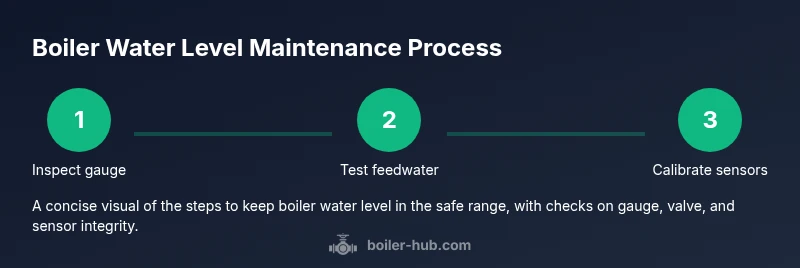
Preventive maintenance is the best defense against inaccurate water-level readings. Establish a routine that includes quarterly inspection of gauges and valves, annual calibration of sensors, and a biannual check of the expansion tank and low-water cutoff. Keep the condensate return system clear to avoid fluctuations that affect level. Document readings to spot trends over time and schedule professional servicing when readings drift outside safe ranges. In line with Boiler Hub Analysis, 2026, routine maintenance reduces unscheduled downtime and extends boiler life by addressing wear before it becomes critical.
Safety considerations and best practices
Safety comes first when working with boilers, especially around hot surfaces and pressurized systems. Always shut off power (and gas if applicable) before performing any inspection. Use protective gloves and eye protection, keep a safe distance from hot components, and never bypass safety interlocks. If you notice persistent leaks, signs of corrosion, or abnormal readings, stop and call a professional. Ensure clear access to control panels and venting, and never operate a boiler with a visible fuel or water leak. Adopting a conservative approach to level management reduces risk and keeps your system reliable.
Tools & Materials
- Safety gear (gloves, eye protection)(Protective equipment before any inspection)
- Utility flashlight(For inspecting gauge glass and harder-to-see areas)
- Screwdriver set (phillips and flathead)(Test and reseal access panels if needed)
- Multimeter (for electrical checks)(Only if you suspect sensor or control wiring issues)
- Soft cloth or gauge cleaner(Keep gauge glasses clean for accurate readings)
- Small bucket or container(Catch any small spills during inspection)
- Manual for boiler model(Reference for safe levels and procedures)
Steps
Estimated time: 90-120 minutes
- 1
Power down and secure boiler
Turn off the boiler and disconnect power. For gas boilers, shut off the gas supply as a precaution. Wait until the unit cools to avoid burns. This step ensures you won't be exposed to moving parts or hot surfaces during inspection.
Tip: Never inspect a hot boiler. Allow it to cool for at least 20-30 minutes. - 2
Check the water level visually
Inspect the gauge glass or digital display to determine the current level. Compare it to the safe operating range in the manual. Look for signs of cloudiness, buildup, or a stuck indicator that could misrepresent the actual level.
Tip: If the glass is cloudy, clean it with a soft cloth before rechecking. - 3
Test the feedwater valve and pump
Manually actuate the feedwater valve if accessible and confirm the pump engages when called by the controller. Listen for abnormal sounds that might indicate a sticking valve or failing pump. This verifies that the feedwater system can respond when steam production increases.
Tip: Mark any valve positions before moving to ensure you can return to the original state. - 4
Verify low-water cutoff operation
Simulate a level decline by gently inspecting the response of the LWC. The boiler should shut down or trigger an alarm at the preset threshold. If there is no reaction, the LWC may need calibration or replacement.
Tip: Do not bypass the LWC; it’s a critical safety feature. - 5
Inspect expansion tank and piping
Check for signs of corrosion, leaks, or air in the expansion tank and connected lines. Ensure connections are tight and the tank is functioning to absorb pressure fluctuations. A faulty expansion tank can cause pressure swings that affect level readings.
Tip: Tap the expansion tank gently; a hollow sound can indicate loss of air pressure. - 6
Document readings and reset if needed
Record the observed levels and any anomalies. If readings drift, perform a controlled purge or recalibration per the manual. Reassemble any panels securely and restore power, then monitor for consistency over the next operating cycle.
Tip: Keep a maintenance log to detect gradual changes over time.
Questions & Answers
Why is maintaining boiler water level important?
Maintaining proper water level prevents overheating, protects heat transfer surfaces, and avoids unsafe pressure conditions. It also helps ensure efficient fuel use and longer boiler life. Regular checks catch problems early before they cause costly damage.
Maintaining proper water level prevents overheating and protects the boiler, helping you avoid costly damage.
What are common signs that water level is off?
Common signs include fluctuating gauge readings, frequent auto-shutdowns, visible leaks around the sight glass, and louder pumping noises. If you notice any of these, perform a basic inspection and consult a technician if readings remain inconsistent.
Watch for fluctuating readings, alarms, or leaks around the sight glass.
Can I adjust water level myself?
Some adjustments can be made by a trained homeowner following the manual, such as reseating gauge glass or cleaning the sight tube. However, major adjustments to safety controls or firing mechanisms should be done by a licensed technician.
Small maintenance tasks are okay if you follow the manual; major safety adjustments should be left to a pro.
How often should I calibrate sensors?
Calibrate sensors at least annually, or sooner if readings drift or alarms trigger unexpectedly. Use manufacturer software or a qualified technician to ensure accuracy.
Calibrate sensors at least once a year, or when readings drift.
What safety steps should I take before maintenance?
Always shut off electrical power and gas supply (for gas boilers), allow the unit to cool, wear protective gear, and ensure good ventilation. Do not bypass any safety devices during work.
Turn off power and gas, let the boiler cool, and wear protective gear before starting.
Is a dirty gauge glass dangerous?
A dirty gauge can hide true water levels, leading to unsafe readings. Clean the gauge carefully and recheck the level. If it remains unclear, stop and seek professional help.
Dirty gauge glass can hide the real level—clean it and recheck.
Watch Video
Key Points
- Verify water level readings against the boiler manual guidance
- Use both visual gauges and sensor data for confirmation
- Always shut off power and gas before inspection
- Regular maintenance reduces downtime and extends boiler life
- Document readings to spot trends and plan service