Can You Use a Dishwasher If the Boiler Is Broken? A Practical Troubleshooting Guide
Boiler broken? Learn safe, step-by-step guidance on whether you can run a dishwasher, what to check, safety precautions, and when to call a professional. Boiler Hub delivers urgent, practical boiler troubleshooting.


Short answer: no, using a dishwasher when the boiler is broken is not recommended. A malfunctioning boiler can disrupt hot water supply, pressure, and electrical safety, creating risks for your dishwasher and home. According to Boiler Hub, the safest approach is to stop any hot-water–dependent appliances, check the boiler status, and contact a qualified technician before resuming use. This guide outlines immediate steps.
Can a Broken Boiler Affect a Dishwasher? Immediate Considerations
When your boiler is not functioning, the most immediate concern is hot water availability. Dishwashers usually rely on a steadier hot-water supply to heat and sanitize effectively. If the boiler is broken, you may experience no hot water, fluctuating temperatures, or pressure drops that can trip household circuits. According to Boiler Hub, operating a dishwasher during a boiler failure can also mask a larger safety issue in your plumbing and electrical system. The risk isn’t just about dirty dishes; it’s about thermal shock, scalds, and potential electrical faults feeding back into the appliance. Treat any boiler fault as urgent and limit appliance use until a proper repair is confirmed.
In practice, do not assume “hot water” will be available. Even if the tap water feels warm, the household boiler regulates how much heat is delivered to domestic hot water and central heating. If the boiler’s controls are unstable, the dishwasher could receive inconsistent temperatures, which can damage the appliance or create mineral buildup in critical components. This is a moment to prioritize safety over convenience, especially in homes with older wiring or gas lines.
Immediate Safety Steps to Take When a Boiler Breaks
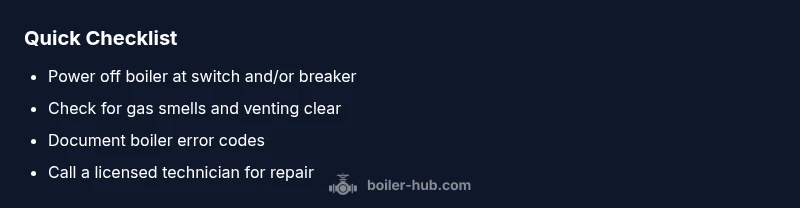
When a boiler fault occurs, your first instinct should be safety. Do not operate the dishwasher or any hot-water dependent device until you verify the boiler’s status. Power off the boiler at the dedicated switch or breaker, and if you smell gas or notice hissing around gas lines, evacuate and call your gas provider or emergency services. If your boiler is powered by electricity, switch off the circuit at the main panel before inspecting any exposed wiring. Boiler Hub emphasizes keeping the area around the boiler clear and avoiding DIY fixes that involve gas, combustion air, or venting. Document any error codes on the boiler display to share with a technician.
Why a Boiler Break Can Impact Appliance Performance
Boilers and dishwashers share a dependence on hot water systems and electrical circuits. A fault in the boiler can cause a drop in water pressure, intermittent heating, or overloading of the home’s electrical circuit, which may lead to breaker trips. If the boiler is emitting unusual noises, has visible leaks, or shows error codes (e.g., F1, E2), these indicators suggest underlying issues that should be addressed by a technician. While the dishwasher itself may appear to operate, the underlying risks—ranging from scalding hazards to potential gas leaks—make continued use inadvisable. Boiler Hub’s guidance is clear: treat boiler faults as serious and avoid running hot-water appliances until repair is completed.
How to Diagnose Safely Before Calling a Pro (Narrative Flow)
A practical, safety-conscious approach helps you decide when to call a professional. Start by confirming there is no ignition or gas smell and that electrical power to the boiler is off. Check for tripped breakers and verify that the thermostat is set correctly. If you notice any water around the boiler, rust, or low pressure on the boiler gauge, these symptoms warrant professional assessment. Do not bypass safety devices or tamper with pressure relief valves. The goal is to gather information for the technician, not to repair on your own.
Step-by-Step Checks You Can Perform Safely (Narrative Outline)
Before picking up tools, remember: if you’re unsure, stop and call a pro. Begin with basic checks: ensure the boiler switch is off, inspect for obvious leaks, and confirm circuit breakers are intact. Then verify that the gas supply (if applicable) and the venting path are unobstructed. If the boiler display shows an error code, write it down. These steps reduce risk and give you concrete details to share with a technician, improving the chances of a quick, effective repair. Always prioritize personal safety and avoid disassembly beyond your comfort and training level.
Alternatives and Safe Workarounds While Waiting for Repair
In the interim, you can use cold-water cycles on your dishwasher if the appliance is capable, but expect longer wash times and potentially less effective cleaning. Hand washing is the safest alternative for heavily soiled items. If you must run a dishwasher for essential loads, use only cold or luke-warm cycles that do not rely on hot-water heating from the boiler. Consider scheduling laundry and dishwashing for after a certified technician has inspected and repaired the boiler to maintain home safety.
Long-Term Prevention: Minimizing Boiler-Related Disruptions
Regular maintenance is the best defense against unexpected boiler downtime. Schedule annual servicing, check expansion tanks, and ensure pressure gauges remain in the recommended range. Clear vent pipes and condensate drains, replace worn gaskets, and address mineral buildup to maintain efficiency. Boiler Hub recommends keeping a service log and having a trusted technician perform inspections to catch issues before they trigger appliance safety concerns. Proactive maintenance reduces the likelihood that a boiler problem will affect your dishwasher or other hot-water dependent devices.
When to Call a Professional and What to Expect
If any warning signs appear—strange noises, persistent leaks, error codes, or odd smells—contact a licensed technician promptly. A professional will assess gas lines (if applicable), venting, electrical connections, and combustion efficiency. Expect a diagnostic visit to include pressure testing, inspection of expansion tanks, and verification of safety devices. The technician should provide a clear repair plan and estimated costs, and they will test the system post-repair to ensure safe operation before you resume using any hot-water appliances.
Steps
Estimated time: 30-60 minutes
- 1
Power down and isolate
Switch off the boiler at its primary power switch and, if safe, at the main breaker. Do not touch electrical components if you’re unsure about wiring. This reduces shock risk and prevents further damage.
Tip: If you smell gas, evacuate and call the gas emergency line before touching any controls. - 2
Check for obvious signs
Look for leaks, condensation, or corrosion around the boiler. Note any error codes on the display. If you see water pooling, capture a photo for the technician.
Tip: Document the error code and any alarms exactly as shown. - 3
Inspect power and breakers
Open the electrical panel and confirm the boiler’s breaker is in the ON position. If it trips again after reset, stop and call a professional.
Tip: Do not bypass a tripped breaker; repeated trips indicate a fault. - 4
Assess gas and venting (if applicable)
If you have a gas boiler, ensure the gas valve is open and the venting path is clear. Shut off gas if you smell fumes or hear roaring flames not typical of normal operation.
Tip: Gas work should be done by a licensed professional. - 5
Check boiler pressure and expansion tank
Compare the pressure gauge to the manufacturer’s recommended range. Low or high pressure can indicate a leak or a faulty expansion tank.
Tip: Never adjust pressure relief valves yourself; this must be done by a pro. - 6
Test after repair readiness
Once a technician confirms repair, power up the boiler and run a brief hot-water cycle to verify stable temperatures and pressure.
Tip: Monitor for unusual noises or leaks during the first test run. - 7
Resume appliance use only when safe
After the boiler is repaired and tested, you can resume dishwasher use. If any issues recur, stop and contact the pro again.
Tip: Maintain a service log for quick reference during future problems.
Diagnosis: Dishwasher runs but there is no hot water or the boiler shows errors during operation
Possible Causes
- highPower or gas supply issue
- mediumThermostat or control failure
- mediumCirculation pump failure or airlock
- lowPressure loss or valve fault in boiler
Fixes
- easyCheck boiler circuit breakers and power switch; reset if tripped
- mediumVerify gas supply and main gas valve; call a pro if gas is off or you smell gas
- mediumBleed air from the system or restart the circulation pump if you’re trained
- hardHave a professional inspect and restore pressure/valves
Questions & Answers
Can I run a dishwasher if the boiler is broken?
Not safely. A boiler fault can affect hot water, pressure, and electrical safety. Wait for a professional to confirm repair before using hot-water appliances.
No, wait for a professional to confirm the boiler is repaired before using the dishwasher.
What should I do immediately if I suspect boiler trouble?
Turn off the boiler and any related breakers, check for gas smells, and call the appropriate emergency or service line if hazards are present.
Shut off power, check for gas smells, and call for help if you sense danger.
Why does a boiler failure affect heating and hot water?
The boiler regulates hot water and central heating. A fault can disrupt temperature control and pressure, impacting any connected appliances.
A boiler failure disrupts hot water and heating, affecting other connected devices.
Do I need a pro to reset the boiler after an error?
Often yes. Many boiler errors require a service technician to safely reset and diagnose underlying causes.
Often you should have a professional reset and diagnose the error.
Can I use cold-water settings to wash dishes during boiler issues?
Cold washes will work but may not clean as effectively; avoid heat-dependent cycles until the boiler is repaired.
You can try cold washes, but hot-water-dependent cycles should wait.
How can I prevent boiler problems from affecting appliances in the future?
Schedule regular maintenance, address leaks promptly, and keep an up-to-date service log to spot trends early.
Regular maintenance and prompt fixes prevent future disruptions.
When should the boiler be replaced instead of repaired?
If frequent breakdowns occur or efficiency drops substantially, replacement may be more cost-effective than continual repairs.
Frequent breakdowns usually mean replacement is wiser.
Watch Video
Key Points
- Do not operate hot-water appliances when the boiler is broken
- Prioritize safety: power off, check for gas issues, and document error codes
- Call a licensed professional for diagnosis and repair
- Use cold-water cycles or hand-wash while awaiting repair to stay safe