Bleeding a Boiler While Running: Safety Guide
Can you bleed a boiler while it's running? Learn the risks, safe practices, and a clear step-by-step approach to bleed and maintain your heating system with Boiler Hub guidance.


Bleeding a boiler while it’s running is generally not recommended because it exposes you to hot surfaces and pressurized water. The safest approach is to shut the boiler off and let it cool, then bleed with a radiator key or valve, monitoring pressure as you go. If you’re unsure, follow the manufacturer’s guidance.
Can you bleed a boiler while it's running?
Bleeding a boiler while it’s running is a question that homeowners often ask when their heating system seems noisy or not circulating properly. In most cases, the safe answer is no—the risk of scalding water, sudden pressure changes, and hot metal exposure is real. The deeper point is that air trapped in the system slows heat transfer and can create noisy hydronic loops. This guide—backed by Boiler Hub Analysis, 2026—explains when you should avoid live-bleeding, what to do instead, and how to perform a safe bleed when conditions allow. The goal is to protect you and preserve the life of your boiler and radiators while keeping energy efficiency in mind.
Why air in the system matters and what bleeding accomplishes
Air pockets in a boiler system can reduce efficiency and cause cold spots in heating loops. Bleeding removes trapped air so that water can circulate freely. However, attempting to purge air while the boiler is hot and under pressure introduces several hazards. The recommended practice is to work with the boiler powered off and the system cooled to a safe temperature. If you’re dealing with a persistent air problem, the root cause could be a faulty expansion vessel, a failed pressure relief valve, or leaky fittings, which may require professional service.
The safety-first mindset: risks of live-bleeding
The primary hazards when bleeding a live boiler are scalding injuries from hot water and steam, sudden pressure release, and electrical shock in exposed components. In some designs, opening a valve mid-cycle can cause water to spray or burst fittings, particularly if the system is not vented properly. Always prioritize personal protective equipment, such as insulated gloves and eye protection, and keep children and pets away from the work area. The Boiler Hub team emphasizes that safety should drive the decision to bleed a live boiler, not convenience.
When live-bleeding might be tempting and how to assess it
There can be moments when water is leaking from vents or radiators, and you suspect air accumulation. If your boiler is already off and cooling, you might proceed with bleeding only after confirming that the system pressure can be safely stabilized. In a few boiler configurations, technicians perform a restricted bleed with the boiler temporarily energized under controlled conditions, but this requires specialized training and tools. For homeowners, this approach is not generally recommended without supervision.
Tools, environment, and preparation you should have on hand
Before any bleed—even a non-live bleed—prepare a stable work area with a bucket, towels, and PPE. Ensure you have the correct bleed key or screwdriver for your vent, a wrench if needed, and a clear path to catch any escaping water. A digital pressure gauge helps you monitor system pressure and determine when water reseals air pockets. Make sure the room is dry and well-ventilated to avoid humidity buildup as water vapor escapes during venting.
Step-by-step overview (non-live bleed): a practical framework
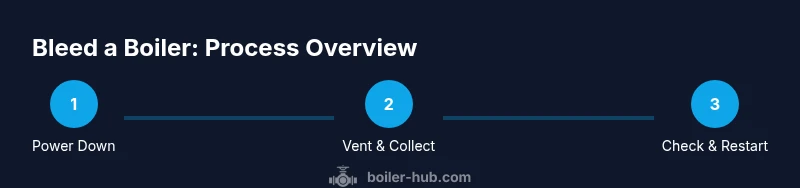
A safe bleed typically involves turning off the boiler, waiting for it to cool, isolating the area, attaching the bleed key, opening the air vent, watching for a steady water stream, and closing the vent once water runs consistently. If the pressure relief valve cycles or pressure spikes, stop and seek professional help. After bleeding, restart the boiler and recheck pressure to ensure it’s within the normal range.
Step-by-step (live-bleed scenario): cautious, conditional guidance
If you absolutely must bleed while the boiler is running due to an urgent leak or system blockage, take extreme caution. Use insulated gloves and eye protection, stand to the side, and open the valve slowly—only a small turn. Watch for water and steam, and if you notice a sudden burst or coughing from the vent, close the valve immediately and shut the boiler down. This is a last-resort approach and should be followed by a full inspection by a qualified heating professional.
Aftercare: testing, adjusting, and monitoring
Once bleeding is complete, purge the air from radiators downstream and verify that each radiator is warm from the bottom up. Check the boiler pressure gauge and compare it to the manufacturer’s stated operating range, adjusting as needed with the filling loop. Look for any signs of leaks around valves and fittings and listen for abnormal banging or kettling noises during first warm-up. Regular system checks reduce the need for frequent bleeding.
Authority sources and safety standards for boiler work
For guidance, consult reputable safety and engineering resources. OSHA and DOE guidelines emphasize safe handling of hot systems and the importance of PPE. Industry associations such as ASHRAE publish standards that influence best practices for hydronic heating systems. See the linked authority sources for more details and official recommendations.
Tools & Materials
- Boiler bleed valve key or radiator key(For venting air from a vent or radiator valve)
- Bucket(To catch water and prevent floor damage)
- Old towels or rags(Protect surfaces and absorb spills)
- Insulated gloves(Protect hands from heat)
- Eye protection (safety glasses)(Guard against splashes)
- Adjustable wrench or pliers(Useful for stubborn fittings)
- Thermometer or infrared thermometer(Assess surface temperature quickly)
- Digital pressure gauge or manometer(Track system pressure during bleed)
Steps
Estimated time: Total time: 20-40 minutes
- 1
Power off and allow cooling
Shut off the boiler and give the unit time to cool completely. Hot water and steam can cause serious burns, and pressure build-up can be hazardous even when bleeding for air. This step reduces risk before any venting.
Tip: Wait 15-30 minutes or until surfaces feel cool to touch. - 2
Identify vents and prepare area
Locate the air vent or bleed valve on the boiler or on nearby radiators. Clear the area, place a bucket underneath, and lay down towels to catch any drips. Confirm you have the correct valve to avoid mis-bleeding.
Tip: Verify valve direction and whether it’s an air vent or a drain valve. - 3
Protect yourself with PPE
Put on insulated gloves and safety glasses. Even after cooling, residual hot surfaces can cause burns or splashes when a valve is opened.
Tip: Keep sleeves rolled up and avoid leaning over the vent. - 4
Open the vent slowly
Using the bleed key, turn the vent slowly in the open direction and watch for air release followed by water. If steam or a sudden spray appears, close immediately.
Tip: Open only a quarter to half turn and pause if you see steam. - 5
Monitor water flow
When water begins to trickle and then run steadily, pause and confirm no more air is escaping. Do not force water through; air will bubble out until the flow stabilizes.
Tip: If air persists after a minute, stop and reassess multiple vents or call a pro. - 6
Close the valve and recheck pressure
Return the valve to the closed position, wipe away spills, and restart the boiler. Check the system pressure and ensure it’s within the recommended range per your boiler manual.
Tip: A rising or fluctuating pressure often signals additional air or a faulty part. - 7
Bleed radiators downstream (optional)
If radiators remain cold at the top, bleed them following the same careful procedure. This helps balance air distribution after local venting.
Tip: Begin with the highest radiator in the loop for best effect. - 8
Test run and observe
Turn the boiler back on and monitor for normal operation: no banging sounds, stable temperature, and consistent heat across rooms. Check for leaks around valves and fittings during the first cycle.
Tip: Do not leave the system unattended during the first few minutes after restart. - 9
Document and plan follow-up
Note the date and results of the bleed. If air returns or the boiler continues to cycle, schedule a professional inspection to verify expansion vessel, pressure relief valve, and overall system health.
Tip: Keep a simple log for future reference and maintenance planning.
Questions & Answers
Is it safe to bleed a boiler while it is running?
In most cases, bleeding a boiler while it is running is not safe due to hot water, steam, and pressure. The recommended approach is to turn off the boiler and bleed only when cooled, following manufacturer instructions.
Bleeding a boiler while running is generally not safe. Turn off the boiler, let it cool, then bleed as directed by the manufacturer.
What signs mean I should stop and shut down?
If water spurts out, steam is present, or pressure fluctuates rapidly, stop bleeding and shut off the boiler. These are clear indicators of potential danger or a faulty component.
If you see spurting water or steam or the pressure spikes, stop and shut the boiler down and seek help.
How is bleeding different from venting radiators?
Bleeding a boiler vents air from the boiler housing or feed lines, while radiator bleeding releases trapped air from individual radiators. Both reduce air pockets but are done at different points in the system.
Bleeding the boiler vents the system housing; radiator bleed releases air from individual radiators.
What personal protective equipment should I use?
Wear insulated gloves and eye protection. Protect floors with towels, and keep children and pets away from the work area.
Use gloves and safety glasses, and keep kids away from the area.
Should I bleed if my boiler keeps losing pressure?
Low or fluctuating pressure may indicate a leak or faulty expansion vessel. Bleeding alone will not fix the root cause; consult a professional.
Low pressure could mean a bigger problem; bleeding won’t fix it and you should call a pro.
When is professional service necessary?
If you’re unsure about valve locations, pressure readings, or if leaks persist after bleeding, schedule a professional service. Complex systems benefit from an expert inspection.
If you aren’t confident handling valves or pressure, seek a professional.
Watch Video
Key Points
- Bleed only after the boiler cools, when possible.
- Vent air slowly to avoid sudden pressure changes.
- Always use PPE and keep the area clean and dry.
- Monitor pressure and listen for warning signs after bleeding.
- When in doubt, contact Boiler Hub Team for guidance.