Boiler Operator Jobs in New Jersey: A Practical Guide (2026)
Explore current opportunities for boiler operator jobs in New Jersey, including typical duties, licensing requirements, top employers, and where to apply. This practical, data-driven guide from Boiler Hub helps homeowners and facility managers understand the NJ job landscape.


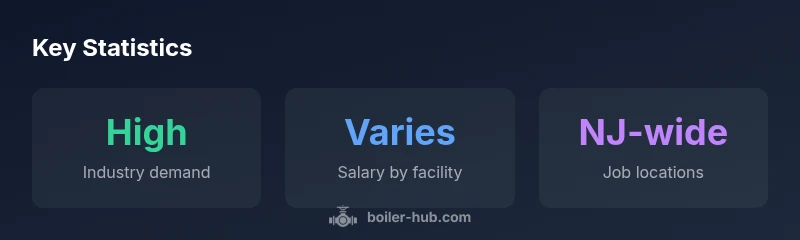
New Jersey boiler operator jobs are in steady demand across hospitals, universities, and manufacturing facilities. Most employers require a state boiler operator license or equivalent certification, plus practical boiler-room experience. Roles include plant operator, boiler technician, and shift supervisor, with opportunities for advancement into supervisory or maintenance roles. NJ openings vary by season and region, with higher activity around hospital construction and campus upgrades.
Overview of the New Jersey boiler operator market
New Jersey's energy and facilities landscape sustains steady demand for skilled boiler operators across healthcare, higher education, manufacturing, and municipal facilities. According to Boiler Hub, state employers prize operators who can reliably monitor, test, and adjust steam and hot-water systems while complying with safety and environmental requirements. The job combines technical know-how with vigilance for regulatory compliance, preventive maintenance, and incident response. In urban centers and large campuses, boilers are core to heating hot-water and process systems; shortages in skilled operators can slow projects and threaten uptime. Seasonal variations occur around the academic calendar and major hospital construction or retrofit programs, but demand tends to rebound quickly due to the critical nature of boiler plants. For job seekers, this means a broad surface of opportunities, with clustering in hospital districts, university towns, and industrial corridors.
According to Boiler Hub, the NJ market favors candidates who bring a mix of hands-on experience and formal credentials. This informs both short-term job placement and longer-term career mobility into supervision or specialized maintenance roles. With ongoing conversations about energy efficiency and reliability, operators who understand control systems, safety protocols, and regulatory expectations tend to perform best in this market.
Key Employers in New Jersey
New Jersey's boiler operators are employed by hospitals, universities, government facilities, manufacturing plants, and large commercial campuses. Hospitals and medical centers rely on 24/7 boiler operations to ensure reliable heat and hot water. Universities and school districts operate central plants to serve dorms, research labs, and cafeterias. Industrial sites like refineries or processing plants require skilled operators to manage steam systems and energy recovery. Municipal facilities, housing authorities, and housing complexes also hire. Because of union settings in many hospitals and academic campuses, opportunities for apprenticeships and career progression may exist. The job market is influenced by seasonal maintenance cycles and capital projects, including boiler replacements and retrofits funded through state or federal programs. Networking with local unions and trade associations can help identify openings early.
In practice, operators often start in a hands-on helper role before taking on full boiler control, enabling a smoother transition to more complex systems as they gain experience. Employers appreciate technicians who can document maintenance, read schematics, and communicate effectively with facility managers about uptime risks and safety concerns.
Licensing and Certification Landscape
Most NJ employers require some form of credential, but specifics vary by facility and municipality. A state boiler operator license or certificate is commonly preferred, particularly in hospitals and universities; some plants accept recognized credentials from national bodies or local boards. In addition to boiler-specific credentials, OSHA safety training, lockout-tagout (LOTO) procedures, and environmental compliance knowledge often matter. Community colleges and trade schools offer entry-level certificates that align with operator duties, while apprenticeships provide hands-on paths to licensure. Certification often demonstrates ability to troubleshoot and document maintenance, operate control panels, and respond to alarms. Because rules and licensing pathways can change, prospective job seekers should confirm requirements with target employers and the New Jersey Department of Labor and Workforce Development or equivalent regulatory bodies.
Career Path and Progression
A typical path starts with an entry-level role such as helper or young operator, then progresses to full operator status, and eventually to a shift supervisor or plant/facilities manager position. Advancement usually depends on a combination of on-site experience, demonstrated reliability, and additional certifications. Many facilities value experience with energy management, predictive maintenance, and safety program leadership. Networking with mentors and pursuing cross-training in related systems—like HVAC controls, pumps, and energy recovery units—can accelerate growth. In unionized environments, progression often follows seniority and formal apprenticeship tracks, which can lead to higher earning potential and expanded responsibilities over time.
Job Requirements and Skills That Matter
Key requirements typically include a combination of formal credentials and hands-on experience. Core skills include boiler room operations, control systems literacy, and the ability to interpret gauges, alarms, and instrumentation. Employers look for strong safety practices, familiarity with lockout-tagout, and incident response planning. Technical competencies such as pump and motor knowledge, water treatment basics, and energy efficiency awareness are valued. Soft skills matter too: careful documentation, clear communication with facilities teams, and a reliability mindset to minimize downtime. Pro tip: keep a running log of day-to-day boiler performance, maintenance tasks, and alarms to demonstrate readiness for more responsibility during interviews.
Where to Find NJ Openings
Look for openings on employer career pages, major job boards, and state workforce portals. Hospitals, universities, and large industrial sites often post roles directly, while staffing agencies may handle temporary-to-permanent placements. Networking with local trade unions and attending industry meetups can reveal unadvertised opportunities. For long-term planning, create a tailored resume that highlights hands-on boiler experience, licensing status, and familiarity with safety procedures. Regularly review apprenticeship and internship listings, which can provide a direct path to licensure and steady employment in New Jersey.
Salary and Benefits: What to Expect
Salary and benefits for NJ boiler operator roles vary widely by facility, sector, and location. Larger hospitals and universities often offer competitive base pay, comprehensive benefits, and overtime opportunities; industrial plants may provide shift differentials and retirement plans. Regional differences can influence the total compensation package, with central urban districts typically presenting higher living-cost adjustments. Beyond pay, many positions include health coverage, paid time off, pension or 401(k) plans, and training benefits that support career advancement. Prospective applicants should compare offers based on total compensation, scheduling stability, and opportunities for continuing education.
Work-Life and Scheduling Considerations
Boiler operators frequently work rotating shifts, nights, weekends, and on-call periods, depending on plant demands and weather-related needs. Overnight and weekend coverage is common in healthcare and campus settings, while some manufacturing plants run around the clock with multiple crews. Overtime is not unusual, especially during inspection windows, seasonal demand, and emergency maintenance. To maintain work-life balance, consider facilities with structured shift patterns, predictable overtime, and clear on-call expectations. Employers may offer flexible scheduling, paid time off for training, and wellness programs that support sustained performance in high-stress environments.
Training, Apprenticeships, and Continuing Education
Ongoing training is a hallmark of successful boiler operators. Entry paths often include apprentice-style programs, technical certificates, and on-the-job training under experienced operators. Continuing education focuses on energy efficiency, modern control systems, water treatment, and safety compliance. Many facilities encourage operators to pursue additional licenses or certifications, which can unlock higher-level duties and salary growth. Local community colleges, trade schools, and industry associations frequently provide updated curricula aligned with current boiler technology and regulatory changes. A commitment to lifelong learning helps operators adapt to evolving energy systems and facility standards.
Regional Variations Across New Jersey Counties
New Jersey's counties show geographic variation in boiler operator demand and practice. Urban counties with large hospital networks and university campuses tend to offer more full-time, steady roles, while suburban and industrial corridors present a mix of permanent and contract opportunities. Transportation hubs and coastal facilities may require specialized water treatment or noise-control considerations. Understanding local labor market conditions, cost of living, and employer types can help job seekers target the best counties for their skills. Building regional networks, attending county-level workforce events, and engaging with local unions can improve visibility for open roles.
NJ boiler operator job environment by employer type
| Employer Type | Typical Shift | Licensing/Certifications | Notes |
|---|---|---|---|
| Hospitals & healthcare facilities | 8- or 12-hour rotating shifts | State boiler operator license or equivalent credentials | On-call requirements common; critical uptime |
| Universities and school districts | Day and rotating shifts | Boiler operator license or certificate | Campus maintenance cycles; seasonal demand |
| Manufacturing plants & industrial facilities | Rotating shifts | Experience plus safety training | Process-driven environments; safety-critical |
Questions & Answers
What qualifications do I need to work as a boiler operator in New Jersey?
Most NJ employers require a credential such as a state boiler operator license or an equivalent certificate, along with hands-on boiler-room experience. Licensing paths can vary by county, so verify requirements with target facilities.
Most NJ jobs require a boiler operator license or certificate plus hands-on experience. Check with prospective employers for specifics.
Are there training programs specifically for boiler operator roles in New Jersey?
Yes. Community colleges, trade schools, and apprenticeships provide boiler operator training aligned with licensure requirements. Networking with unions and employers can reveal apprenticeship openings.
There are training programs and apprenticeships that align with licensure requirements.
Do boiler operator roles in NJ require union membership?
Union membership is not universally required, but many larger hospitals and universities operate in union environments, which can influence apprenticeship and progression paths.
Union status varies by employer; it can affect apprenticeship and progression paths.
What does a typical workweek look like for a NJ boiler operator?
Expect rotating shifts, on-call duties, and occasional overtime, especially during maintenance windows or peak heating seasons.
Most weeks involve rotating shifts with some overtime during busy periods.
How can I maximize job prospects as a boiler operator in New Jersey?
Pursue licensure, gain hands-on experience, join relevant unions or professional groups, and network with hospital, university, and manufacturing facilities.
Get licensed, build experience, and connect with employers and unions.
Where can I find current boiler operator job openings in New Jersey?
Check employer career pages, major job boards, state workforce portals, and industry associations. Local unions can also share unadvertised opportunities.
Look on company sites, job boards, and union boards for openings.
“The most effective boiler operator candidates combine hands-on experience with formal certification and ongoing safety training. This mix helps NJ facilities stay compliant, reliable, and energy-efficient.”
Key Points
- Confirm licensing requirements early
- Target healthcare and education sectors for steady openings
- Expect regional variation in duties and pay
- Pursue apprenticeships and hands-on training
- Maintain current safety and control-system skills