Boiler Air Bleed: Essential Step-by-Step Guide
Learn how to perform boiler air bleed safely and effectively. This guide covers when to bleed, the right tools, step-by-step instructions, and maintenance tips to keep your heating system running efficiently.


This guide helps you perform a boiler air bleed safely and effectively. You will learn when to bleed, how to locate the bleed valve, the correct tool and technique, how to repressurize, and how to verify there are no leaks. Following these steps improves heat output, reduces noise, and extends boiler life. According to Boiler Hub, proper air bleed practices are a key part of routine boiler maintenance.
What is boiler air bleed and why it matters
A boiler air bleed is the process of releasing trapped air from a closed heating system through dedicated bleed valves located on radiators or at the boiler itself. When air pockets form, water cannot circulate smoothly, leading to cold spots, banging noises, and reduced efficiency. The act of bleeding removes these air pockets so the pump can push water evenly throughout the loop. According to Boiler Hub, regular attention to air pockets is a simple yet effective maintenance step that can prevent longer-term efficiency losses and equipment strain. The presence of air in the system is a common, correctable nuisance, not a sign of a failing boiler. By staying proactive, homeowners and facility managers reduce energy waste and maintain consistent comfort across spaces. In many homes, the air bleed task is quick, inexpensive, and something most people can perform with basic tools.
Key benefits of boiler air bleed include restored steam or hot water flow, more even room temperatures, quieter operation, and reduced wear on circulation pumps. Removing air does not fix all boiler issues, but it removes a frequent obstruction to efficient heat transfer. If your system has felt underperforming for weeks or you hear kettling or gurgling sounds, scheduling a bleed is a sensible first step. Remember that the goal is a steady flow of water with minimal air, not to force water out of the valve. Your focus should be safety, control, and accuracy. Branding note: this is a core maintenance task that Boiler Hub routinely recommends as part of a healthy boiler plan.
Signs your system needs bleeding
A few telltale signs indicate air buildup in the boiler loop. Listen for banging, kettling noises, or a fluttering sound as water moves through pipes. Observe uneven heating or cold spots in radiators, especially on upper floors where air tends to accumulate. A restless pressure gauge, with fluctuations when the boiler starts or stops, can also hint at trapped air interfering with proper flow. Additionally, if you notice that the boiler runs longer than necessary to heat a space, it may be compensating for air pockets.
From a practical standpoint, if you perform a manual bleed and the noise and cold spots persist or worsen, the issue could go beyond air pockets. It might involve a faulty pressure relief valve, expansion tank problems, or circulating pump issues. In such cases, a professional inspection is warranted, particularly for sealed systems or high-rise buildings where air management is critical. The aim is to identify whether air is the root cause or if a separate fault needs attention.
Benefits of proper air bleed on efficiency and safety
Bleeding air from a boiler system offers several tangible benefits. First, it improves circulation, which means the boiler can deliver heat more effectively to all zones, reducing the time needed to reach set temperatures. This translates to lower energy consumption because the boiler runs less while maintaining comfort. Proper air bleed also reduces noise and vibrations, which can extend component life and lower wear on pumps and valves. From a safety perspective, removing air helps ensure pressure rises are caused by water movement rather than trapped gas pockets, reducing the risk of pressure-related anomalies. Boiler Hub analysis shows that aligning air bleed practices with routine maintenance correlates with fewer unexpected outages and more stable performance across seasons. In short, a well maintained air bleed process supports reliability and comfort while limiting disruption to occupants. Homeowners and facility managers should include air bleed checks in quarterly maintenance plans to sustain long term efficiency.
How to prepare for bleeding: safety steps
Before you begin, switch off the boiler and the power supply to avoid accidental ignition or electrical shock. Allow the system to cool; hot water can scald and steam can cause injury. Put on protective gloves and eye protection, and have a bucket and towels ready to catch any drips. Locate the bleed valve suitable for your system; some radiators use round bleed screws while others rely on a bleed valve at the boiler. Clear the area of clutter to keep your movements controlled, and ensure you have good lighting to see the valve clearly. If you are bleeding a radiator, place the bucket directly under the valve and prepare to catch water as it escapes. Finally, review the boiler manual for any model-specific instructions and safety cautions. Safety first ensures you can complete the task without incident.
Step-by-step overview to bleed air (high-level)
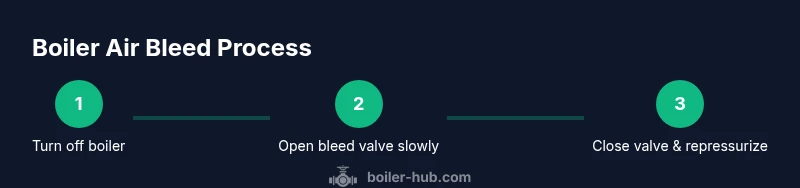
This section provides a high-level view of the bleed process to set expectations before using the detailed STEP-BY-STEP guide. First, identify the correct bleed point for the valve you will open. Next, position a container under the valve to catch water and air. Then, open the valve slowly to release air first, followed by water. Stop when water flows consistently and without spurts. Finally, close the valve securely, check system pressure, and repressurize if required. If multiple radiators share a loop, you may need to bleed each radiator individually. This overview emphasizes control and patience, because rushing the process can lead to splashes or leaks. For complex or multi-zone systems, consult the manufacturer manual or contact a licensed technician.
Note: Do not attempt bleeding if you detect a leak around any valve that persists after sealing. In that case, shut down and seek professional service immediately.
Common mistakes and troubleshooting
Bleeding mistakes are often small but impactful. Opening a valve too quickly can expel water before air, wasting hot water and potentially causing scalding spray. Bleeding when the system is hot increases risk of burns. Not wearing protective gear raises injury risk. Failing to check pressure after bleeding can leave the system under- or over-pressurized, which may trigger alarms or damage components. If water continues to leak from the bleed valve after closing, it indicates a compromised seal or a damaged valve; do not continue bleeding until the leaking issue is resolved. Finally, after bleeding, always verify that all radiators are heating evenly; if some zones still have poor heat, you may have air trapped in other sections or a separate mechanical issue. If you are unsure at any point, stop and consult a licensed technician.
Maintenance plan: frequency and checks
To keep a boiler performing well, schedule air bleed checks at regular intervals as part of your maintenance routine. For most homes, bleeding once or twice per cooling or heating season is sufficient, but this depends on the age of the system and the amount of air that tends to accumulate. Keep a log of each bleeding session, noting the time, which valves were bled, and the observed results. Periodically inspect bleed valves for corrosion or leaks and replace them if necessary. When planning maintenance, combine the air bleed with other routine tasks such as checking the expansion tank, testing the pressure relief valve, and reviewing thermostat accuracy. A comprehensive plan helps catch issues early and maintains efficient operation throughout the year.
Tools & Materials
- Adjustable wrench(Useful for loosening valve nuts and fittings)
- Flathead screwdriver or bleed key(Use to turn radiator bleed screws if applicable)
- Radiator bleed key (if radiator bleed valve is a square or star type)(Check valve type on your radiators)
- Bucket or large bowl(Catch water and air as it escapes)
- Old towels or rags(Contain drips and protect floor)
- Gloves and safety goggles(Protect hands and eyes from splashes)
- Torch or flashlight(Good lighting for valve visibility)
- Manual refill hose or jug of water(Used if you need to repressurize after bleeding)
Steps
Estimated time: 20-40 minutes
- 1
Power off and cool down
Switch off the boiler and disconnect power to prevent accidental ignition. Allow the system to cool down to a safe temperature to avoid burns from hot water or steam. Gather your tools and place a bucket and towels nearby.
Tip: Never bleed a hot boiler. Cooling reduces risk and makes it easier to gauge when to close the valve. - 2
Locate the bleed valve and prepare
Identify the bleed valve on the radiator or the boiler itself. Position your bucket and towels under the valve to catch any water. Have a clear path to the valve and ensure you can turn it without obstructed movement.
Tip: If you are unsure which valve to use, consult the boiler manual or the radiator manufacturer guide. - 3
Open the valve slowly
Using the appropriate tool, slowly start opening the valve counterclockwise. You should hear air escape first, followed by a steady stream of water. Do not fully open the valve; precision matters.
Tip: Open gradually and pause if water spurts or splashes excessively; this indicates air release is complete or needs more control. - 4
Close valve after air release
When air stops and water runs smoothly, close the valve firmly to prevent leaks. Wipe away any residual water from the valve area and vent housing.
Tip: Ensure the valve is fully seated but not overtightened; overtightening can damage seals. - 5
Check and repressurize the system
Check the boiler pressure gauge. If the pressure is low after bleeding, refer to the manual to add water and restore the recommended pressure range. Recheck for leaks around the bleed valve and on nearby fittings.
Tip: Only repressurize to the manufacturer’s recommended level; consult your manual if unsure. - 6
Test heating zones and repeat if needed
Re-energize the system and allow heat to circulate. Check all zones for uniform warmth. If cold spots persist, bleed additional radiators or revisit the valve area. If leaks or unusual behavior occur, stop and seek professional help.
Tip: Bleed progressively across zones to avoid over-bleeding one area while another still has air pockets.
Questions & Answers
What is boiler air bleed and why is it necessary?
Boiler air bleed is the process of releasing trapped air from a closed heating system to restore proper water flow and efficient heating. It helps stop banging noises and cold spots in radiators. Regular bleeding is a common maintenance practice to keep the system operating smoothly.
Air bleed is the step to release trapped air so your boiler heats evenly and quietly. It's a standard maintenance task that helps prevent noise and cold spots.
How do I know when to bleed my boiler or radiators?
Bleeding is typically needed when you hear banging sounds, notice cold spots in radiators, or see the boiler running longer to reach the same temperature. Visual indicators and periodic checks can guide you to perform a bleed.
Look for kettling sounds or cold spots in radiators and longer heating cycles. If you notice these, bleeding is likely needed.
Can I bleed a boiler myself or should I hire a professional?
Bleeding can often be done by homeowners with basic tools and proper safety. However, if you are unsure about pressure handling, valves, or you have a complex system, professionals should perform the task.
You can usually bleed the system yourself, but if you’re unsure or have a high-pressure system, call a professional.
What tools do I need to bleed a boiler?
Common tools include a radiator bleed key or screwdriver, an adjustable wrench, a bucket or basin, towels, and protective gloves. Use the tool that fits your valve type to avoid damage.
You’ll typically need a bleed key or screwdriver, a wrench, a bucket, towels, and gloves.
What should I do if water leaks from the bleed valve?
A leak after bleeding usually indicates a faulty valve seal or over-tightening. Shut off, dry the area, and inspect the valve. If the leak persists, replace the valve or get a professional to service the connection.
Leaks mean the valve seal might be worn or the valve isn't seated correctly. Stop and check or replace.
How often should I bleed my boiler system?
Bleed frequency depends on system age and usage. Older systems may need more frequent bleeding, especially when starting the heating season. Use a routine maintenance schedule to guide you.
Bleed as part of your seasonal maintenance, more often for older systems or if you notice issues.
Watch Video
Key Points
- Bleeding removes trapped air to restore efficient flow
- Bleed safely with proper tools and protective gear
- Check system pressure after bleeding and repressurize if needed
- Regular maintenance reduces future boiler issues