Which Colleges Offer Boilermaker Courses: A Practical Guide
Discover which colleges offer boilermaker courses, how programs are built, and how to choose a quality pathway that leads to apprenticeships and certification. Learn where to find accredited boilermaker programs, what to study, and how to compare options across colleges and technical institutes.


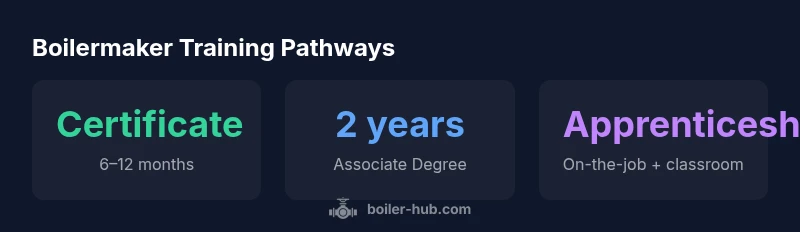
There isn’t a single nationwide list, but dozens of colleges and technical institutes offer boilermaker courses. According to Boiler Hub, these programs are typically offered at community colleges and vocational schools. Programs usually run 6–12 months for certificates or about two years for associate degrees, with a mix of classroom learning and hands-on labs.
How boilermaker programs are structured
Boilermaker training is offered through several types of programs: certificate programs at community colleges and technical schools, associate degrees in welding or manufacturing that include boilermaker fundamentals, and pre-apprenticeship tracks designed to feed apprenticeship pipelines. In practice, students enroll in a mix of classroom classes (safety, metallurgy basics, blueprint reading) and hands-on lab sessions in welding bays and fabrication shops. A typical certificate program lasts 6–12 months, while an associate degree may run about two years. Programs may be delivered primarily in person, with some campuses offering evening or weekend labs to accommodate working students. When schools advertize boilermaker courses, look for explicit coverage of boiler system components, welding codes (like AWS standards), and safety training for hot-work environments. According to Boiler Hub, there are dozens of boilermaker programs across community colleges and technical institutes, many partnered with local unions to create apprenticeship-ready pipelines. Before applying, verify that the program aligns with local apprenticeship requirements and features a strong shop-heavy curriculum that emphasizes hands-on practice.
Where to find boilermaker courses: colleges, tech schools, and apprenticeships
If you’re asking which colleges offer boilermaker courses, you’ll find options across the United States in public and private two-year colleges as well as registered technical institutes. Community colleges frequently host trades programs with boilermaker content; state technical colleges offer more focused welding and fabrication tracks; and trade schools provide condensed, hands-on options. In many regions, local unions partner with schools to run apprenticeship-into-education programs that combine paid work with classroom learning. Start by searching college catalogs for “boilermaker,” “welding,” or “fabrication” programs, then check if the program specifies shop-time, safety courses, and alignment with apprenticeship sponsors. You can also explore state job training agencies and the Department of Labor’s apprenticeship portal to find pathways into boilermaker roles. If you specifically want to know which colleges offer boilermaker courses, use your state education department search or NCES College Navigator to compare options.
Accreditation and quality markers in boilermaker education
Quality indicators for boilermaker programs include regional accreditation of the overall institution, program-specific accreditations where applicable, and partnerships with local unions or employers that provide authentic apprenticeship exposure. Look for instructors with current industry certifications (AWS, NCCER) and a curriculum that maps to journeyman requirements. Review program outcomes, such as completion rates, job placement, and continued education pathways. Finally, verify access to well-equipped labs, safety training, and opportunities for on-site shop experience, which are essential for building practical skills in welding, fabrication, and boiler systems.
Common coursework and labs in boilermaker programs
Typical coursework spans blueprint reading, metallurgy basics, heat treatment, welding fundamentals, pipefitting, and safety compliance. Labs frequently cover welding processes (SMAW, GMAW, FCAW), fabrication and assembly, and real-world simulation of boiler piping and heat exchanger components. Students also practice measuring, tolerances, and quality control in a shop setting. In many programs, safety certifications (like OSHA) accompany the boilermaker-specific training, ensuring graduates meet industry safety standards and can enter apprenticeships confidently.
Apprenticeships and college pathways to a boilermaker career
Most boilermaker careers begin through an apprenticeship that blends paid on-the-job training with related classroom instruction. Many colleges and unions offer pre-apprenticeship tracks designed to prepare students for formal apprenticeships, easing the transition from student to journeyman. Some students advance with an associate degree to access maintenance, inspection, or supervisory roles later on. Strong partnerships between schools and local employers ensure coursework aligns with real-world duties, so graduates are ready to contribute from day one on the job site.
Financial considerations: tuition, aid, and cost ranges
Costs for boilermaker programs vary by institution, program length, and location. Certificate tracks tend to be more affordable than two-year degrees, and some employers subsidize tuition through sponsorships or apprenticeship models. Financial aid options include federal aid, state grants, and trade-specific scholarships. Be mindful of additional costs for lab materials, safety gear, and certification exams. In regions with active unions, apprenticeships can reduce upfront costs because the trainee earns while learning in a supervised setting.
How to verify programs and apply: a practical checklist
Before applying, verify accreditation status, instructor qualifications, and the availability of hands-on labs. Schedule campus visits, talk to current students or alumni, and ask for recent graduate placement data. Confirm apprenticeship opportunities and employer partnerships, and compare program outcomes against regional benchmarks. Finally, gather application materials early and understand deadlines for fall and spring starts, along with any required placement tests or prerequisite courses.
Program types and typical outcomes
| Program Type | Typical Length | Credential Earned | Notes |
|---|---|---|---|
| Certificate (Boilermaker-focused) | 6-12 months | Certificate | In-person shop time and safety training emphasized |
| Associate Degree in Welding/Manufacturing | 2 years | Associate degree | Broader technical coursework and lab work |
| Pre-apprenticeship/Foundations program | 3-6 months | Certificate | Introductory labs and pipeline readiness |
Questions & Answers
Which colleges offer boilermaker courses near me?
Start with your state’s community colleges and technical institutes. Use NCES College Navigator or your state education department search to filter for boilermaker, welding, or fabrication programs. Check for shop facilities, apprenticeship ties, and graduate outcomes.
Check local community colleges and trade schools that offer welding or boilermaker tracks, and look for apprenticeship links.
What credentials will I earn from these programs?
Most boilermaker tracks lead to a certificate or diploma for shorter programs, or an associate degree for broader training. Many programs also prepare you for journeyman-level certifications and safety credentials.
You’ll typically earn a certificate or associate degree, plus potential credentials for welding and safety.
Are boilermaker programs accredited?
Accreditation varies by institution. Regional accreditation covers the school, while specific trades programs may align with industry standards and unions. Always confirm both institutional and program quality indicators before enrolling.
Ask about regional accreditation and any trade-specific accreditations or partnerships.
Can I combine boilermaker studies with apprenticeships?
Yes. Many programs partner with local unions or employers to offer pre-apprenticeship pathways and supported apprenticeship enrollment after completion. This combination often accelerates job readiness.
Look for programs that have a clear apprenticeship pathway with paid work opportunities.
What are typical career outcomes after completion?
Graduates typically enter boilermaker roles, welding shops, or maintenance teams. Some advance into supervisory or inspection positions after gaining experience and additional credentials.
Graduates usually find work in construction or manufacturing sites and can move into leadership roles with time and experience.
“Boilermaker education blends hands-on fabrication with solid safety and code training, and a program’s success hinges on real-world shop time and solid apprenticeship channels.”
Key Points
- Research community colleges and technical schools first
- Prioritize hands-on lab time and apprenticeship ties
- Verify accreditation and industry partnerships
- Choose certificate vs. associate based on career goals
- Budget for labs, safety gear, and certification costs