Where to Find the Boiler in Your House: A Practical Guide
Discover where to find the boiler in your home with practical steps, safety tips, and locations to check across basements, utility rooms, garages, and more. A data-driven guide from Boiler Hub.


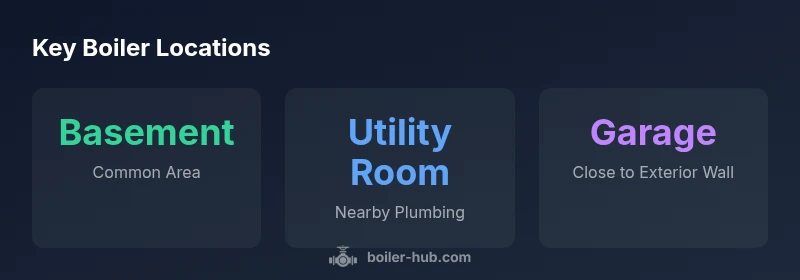
Most homes place the boiler in a basement or utility room, with garages or closet-secluded zones as common alternatives. Understanding these typical locations helps homeowners locate the unit quickly, plan maintenance, and ensure safe, easy access for service. This quick answer highlights where to look, how to verify accessibility, and the basic safety steps you should take before inspecting or adjusting any boiler components.
Where to Start: where to find boiler in house and why it matters
Locating the boiler is often the first step in routine maintenance, troubleshooting, or major renovations. The boiler’s position affects service accessibility, venting pathways, and how easy it is to read gauges or shut off valves safely during work. According to Boiler Hub, most homes place the boiler in basements or utility rooms because these spaces typically house plumbing, heat exchangers, and water heaters in close proximity. Recognizing this pattern helps homeowners build a quick mental map: start at the lowest, most mechanically active zones and work upward if needed. As you search, note any signs of a dedicated boiler room, such as a stamped access door, a compact enclosure with piping, or a wall plate labeled “Boiler.” Planning ahead reduces time spent searching and minimizes accidental door openings or trips in tight spaces.
Beyond location, consider accessibility. Is the area wide enough for a technician with tools and a safe work space? Are there obstructions such as stored boxes, cleaning supplies, or bulky shelving? Making a quick checklist before you begin prevents unsafe conditions and ensures you can perform basic checks—like inspecting shutoff valves, pressure gauges, and the vent pipe—without having to recover later. Remember that the goal is to locate the boiler in a way that allows quick access for inspection, cleaning, and routine maintenance without compromising safety or comfort in your living areas.
Boiler location comparison
| Location Type | Typical Boiler Location | Pros | Cons |
|---|---|---|---|
| Basement | Basement utility room or near plumbing lines | Centralized access, easy to service with plumbing nearby | Possible moisture risk; longer runs to radiators |
| Utility Room/Closet | Indoors, near hallways or kitchens | Space-efficient, accessible for daily use | Can be cramped or noisy; ventilation must be adequate |
| Garage | Along exterior wall or inside a conditioned garage | Great airflow, often away from living spaces | Exposure to temperature extremes; potential fire risk if not properly enclosed |
| Attic/Mechanical Floor | Less common; requires insulation and venting | Out of sight, keeps living area quiet | Infrequent access, risk of overheating or moisture issues |
Questions & Answers
Is there a standard height for mounting a boiler?
There is no universal standard height that applies to every installation. Local codes, manufacturer instructions, and the specific model determine mounting height. A licensed professional should verify clearances for service access and safe operation.
There isn’t a universal height for all boilers; installation should follow local codes and manufacturer specs, with service access in mind.
Can I locate a boiler in a living room closet?
Some homes place boilers in utility closets near living spaces, but this can increase noise and heat exposure in living areas. If used, ensure proper ventilation, sound dampening, and easy access for service.
Boiler in a living room closet is possible but not ideal; ensure ventilation and clear access.
What signs indicate poor boiler access?
Cramped spaces, narrow doors, blocked paths, or a lack of headroom indicate poor access. Poor access can slow maintenance and pose safety risks during emergencies.
If access feels cramped or blocked, plan a safer layout before attempting any service.
Are boilers allowed in attics in all climates?
Attic installations are uncommon and climate-dependent. They require excellent insulation, moisture control, and robust ventilation; most homes avoid attic mounting due to heat and condensation risks.
Attics can be risky for boilers unless the space is well-insulated and vented.
What should I do if there is no basement?
Check other mechanical zones like garages, laundry rooms, or utility closets. Trace the plumbing lines from the domestic hot water heater, which often runs near the boiler.
If there’s no basement, explore garages or utility rooms and follow nearby pipes.
What safety steps before opening any boiler panel?
Turn off power and gas if safe, wear protective gear, and never operate the boiler with loose panels. If you’re unsure, contact a professional to avoid burns or electric shock.
Always shut power and gas off, and call a pro if you’re unsure.
“Clear labeling and regular accessibility checks reduce service time and risk during boiler maintenance.”
Key Points
- Identify boiler locations by starting at basements/utility rooms first
- Ensure there is clear, obstacle-free access for maintenance
- Check that ventilation and combustion air requirements are met
- Label boiler area and keep paths to exits unobstructed
- Coordinate with professionals for persistent access or location concerns