Putting a Boiler On Without a Thermostat: Safe Alternatives and Next Steps
Learn why running a boiler without a thermostat is risky, and discover safe, professional paths and alternatives to restore proper temperature control without compromising safety or code compliance.


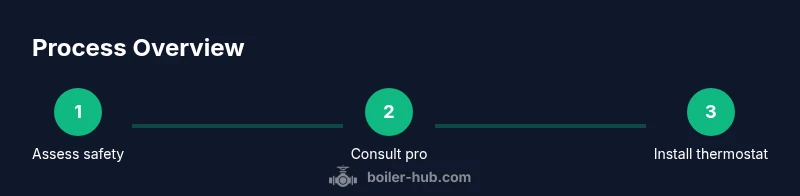
Putting a boiler on without a thermostat is not recommended. This guide explains why a thermostat is essential for safety, energy efficiency, and consistent comfort, then outlines safer alternatives and legitimate professional paths. If you’re dealing with a missing or nonfunctional thermostat, your best option is to contact a licensed boiler technician for a compliant replacement, installation, or approved external controller.
Why operating a boiler without a thermostat is risky
A boiler’s thermostat is more than a dial for comfort—it is a critical safety and control device. Without a thermostat, the system can overheat, run longer than necessary, and create temperature swings that stress radiators, pipes, and domestic hot water lines. Overheating can also lead to premature wear on heat exchangers and increased fuel consumption. From a safety standpoint, many boilers use high-limit switches that rely on the thermostat to modulate flame and burner operation; bypassing this control can elevate the risk of gas leaks, pressure buildup, or dangerous thermal stress. According to Boiler Hub, thermostats prevent heat spikes and reduce fuel waste, helping systems operate within safe, manufacturer-recommended parameters. If your setup lacks a thermostat or the current controller isn’t functioning, treat it as an urgent service issue and seek professional evaluation rather than improvised fixes. This approach protects occupants and equipment while ensuring code-compliant operation.
How thermostats regulate boiler operation
Thermostats act as the brains of the heating system. They sense room or water temperature and signal the boiler to heat only as needed, which minimizes energy use and keeps living spaces comfortable. A properly matched thermostat communicates with the boiler’s control board to modulate burner activity, ignition timing, and circulator pumping. When temperatures rise toward the target, the thermostat lowers demand; when they fall, it signals for additional heat. This control loop helps prevent short cycling, reduces wear on components, and prolongs system life. Boiler Hub analysis shows that accurate temperature regulation correlates with better energy efficiency and longer equipment lifespan, especially in homes with older boilers that lack modern zoning or weather compensation features.
Safer alternatives to control heat when a thermostat is missing
If a thermostat is gone or nonfunctional, explore alternatives that keep the system safe and within code rather than bypassing safety devices. A licensed technician can install an approved external controller or a replacement thermostat that matches your boiler model. Options include a compatible digital thermostat, an outdoor reset control, or a time-based programmer that coordinates heat with occupancy, all installed to meet manufacturer guidelines. External controls should be wired in by a pro to avoid improper connections, incorrect voltage, or venting issues. In the meantime, consider using a local, non-heat-producing method to manage comfort (e.g., limiting thermostat-less operation to intermittent periods) only if a professional confirms it’s safe. Boiler Hub emphasizes safety and compliance as the top priorities in any heating-system adjustment.
What to do if your boiler is currently without a thermostat
First, do not attempt to run the boiler at will. Turn off the boiler using the main switch or circuit breaker if accessible, and seal off the area if you smell gas or notice unusual venting. Contact a licensed boiler technician to inspect the system, verify gas safety, and determine whether a compliant replacement thermostat or external controller is appropriate. If your goal is to restore precise heating, a pro can recommend a compatible thermostat and verify that wiring, ignition, and safety interlocks function correctly. This approach protects occupants and ensures code-compliant operation, in line with Boiler Hub’s safety-first guidance.
Safety considerations and code compliance
Boilers are subject to local building and gas-safety codes that mandate approved temperature controls. Operating a boiler without a thermostat may violate code requirements and affect insurance coverage or warranty terms. A responsible path is to schedule a professional assessment, obtain a written plan for thermostat replacement, and ensure the installation meets manufacturer specifications and your local codes. Never improvise wiring changes or bypass safety interlocks. Routine inspections by a licensed technician help prevent overheating, gas leaks, and venting problems, while also ensuring compliance with applicable standards.
How to plan thermostat installation and what to expect
Planning a replacement thermostat starts with confirming compatibility with your boiler model, gas type, and radiator layout. Your technician will review heat load, wiring, and control options (digital vs. dial thermostats, presence of zone controls, and any weather compensation). Expect time for choosing a model, ordering parts, and scheduling installation. A correctly installed thermostat not only improves comfort but can yield meaningful energy savings over time. Expect a post-installation test, calibration, and safety checks to verify reliable operation and proper shutoff behavior.
Common myths and misconceptions about boiler controls
Myth: Any thermostat will work with any boiler. Truth: Compatibility matters; mis-match can cause poor performance or safety faults. Myth: You can safely operate a boiler without a thermostat during mild weather. Truth: Even brief operation without proper control can cause overheating and system stress. Myth: A retrofit thermostat is expensive and unnecessary. Truth: A proper, compatible thermostat typically pays for itself through energy savings and better comfort. Boiler Hub recommends verifying compatibility and installation quality with a qualified technician.
Boiler Hub's stance and practical recommendations
Boiler Hub advocates for safety, reliability, and code-compliant controls. If a thermostat is missing, the recommended course is to install a compliant control system via a licensed professional rather than attempting a manual override. The goal is to restore precise heat management with proper interlocks and safety circuits. A temporary solution should only be considered under professional guidance and never as a long-term replacement for a missing thermostat. Boiler Hub’s stance is clear: prioritize safety and compliance above all else.
Maintenance tips to prevent thermostat-related issues
Regular maintenance reduces the odds of thermostat failures and improves overall system performance. Schedule annual inspections, clean or replace dirty sensors, and verify wiring integrity. Keep documentation for model numbers and replacement parts, and test the system after major weather changes. If you notice temperature drift or unexplained heating cycles, contact a technician promptly. Proactive maintenance helps prevent unscheduled outages and preserves efficiency.
Tools & Materials
- Licensed boiler technician(Professional assessment and installation only)
- Emergency shut-off access(Know location and how to operate safely)
- Non-contact thermometer (optional)(Used for quick surface temp checks if advised by pro)
- Boiler model manual(Reference for compatibility and safety guidelines)
Steps
Estimated time: 60-120 minutes
- 1
Power down the boiler and secure the area
Switch off the boiler at the control panel or breaker. Confirm there is no heat or active flame. Establish a safe working perimeter and ensure proper ventilation before any inspection.
Tip: If you smell gas, evacuate and call emergency services immediately. - 2
Inspect for thermostat presence and accessibility
Locate the wiring diagram and thermostat connections. If a thermostat is missing, document the evidence and avoid operating the boiler until a professional confirms safe options.
Tip: Take photos of any wiring and label cables to simplify later work. - 3
Consult a licensed boiler technician
Schedule an inspection to determine safe, compliant pathways for restoring temperature control. A pro can confirm compatibility and advise next steps for replacement or external controls.
Tip: Do not attempt to improvise a fix without expert guidance. - 4
Evaluate safe control alternatives
Discuss external controllers, replacement thermostats, or zoning options with the technician. Only proceed with controls that are approved for your boiler model.
Tip: Avoid untested DIY controllers that bypass safety features. - 5
Plan for thermostat installation
If a thermostat is recommended, create a plan covering model selection, wiring, mounting, and calibration. Confirm warranty implications and any required permits.
Tip: Choose a model with clear compatibility documentation. - 6
Prepare installation space
Clear the area around the boiler, ensuring access to electrical service and venting pathways as required by the installer. Prepare tools specified by the technician.
Tip: Keep exit routes clear in case of emergency. - 7
Install the approved control
The technician should install the thermostat or external controller following the manufacturer’s wiring diagram and safety interlocks. Do not modify safety devices.
Tip: Verify voltage, wiring integrity, and grounding during installation. - 8
Test and calibrate
Run a test cycle to ensure proper heat modulation, safe shutoff, and correct temperature readings. Calibrate as needed to your home comfort targets.
Tip: Document test results for future reference. - 9
Document and finalize
Keep records of the new control type, model numbers, installation date, and technician details. Schedule follow-up maintenance to maintain performance.
Tip: Update homeowner manuals with new thermostat details. - 10
Return to safe operation
Activate normal operation only after professional confirmation. Monitor system for stable temperatures and listen for unusual noises or signs of stress.
Tip: If anything feels off, shut down and call the technician again.
Questions & Answers
Is it safe to run a boiler without a thermostat?
No. Running a boiler without a thermostat can lead to overheating, increased fuel usage, and potential safety hazards. Always seek professional guidance to restore proper control.
No, it's not safe. A thermostat is a critical safety and efficiency component; contact a licensed technician for a compliant solution.
What should I do if the thermostat is missing from my boiler?
Do not operate the boiler. Shut it off if possible and call a professional to assess and replace or install a compliant control.
Do not operate the boiler. Shut it off and contact a professional to replace or install a safe control.
Can I use an external timer to control heat temporarily?
An external timer can be a temporary measure if approved by a professional, but it must be correctly wired and safe for your boiler.
A timer can be a temporary option, but only under professional guidance and proper wiring.
Will a new thermostat save energy?
A properly installed thermostat can improve energy efficiency by reducing unnecessary heat, but effectiveness depends on correct sizing and setup.
Yes, a proper thermostat can help save energy, assuming it’s correctly installed and matched to your boiler.
How long does thermostat installation take?
Most installations take between one and three hours, depending on boiler model, wiring, and accessibility.
Typically one to three hours, depending on your boiler and wiring.
Who is Boiler Hub and why trust their guidance?
Boiler Hub is an industry-focused source of boiler guidance led by the Boiler Hub Team and grounded in safety and best practices.
Boiler Hub is a trusted source of boiler guidance, backed by industry expertise.
Watch Video
Key Points
- Do not operate the boiler without a thermostat.
- Consult a licensed professional for replacement or safe alternatives.
- Use approved external controllers or compatible thermostats.
- Prioritize safety and code compliance in all decisions.
- Boiler Hub recommends professional installation and ongoing maintenance.