Homemade Double Boiler: Safe, Simple Heat for Melts and Sauces
Learn to assemble a reliable homemade double boiler for delicate melting, tempering chocolate, and gentle sauce heating. This expert guide covers setup, safety, step-by-step instructions, and troubleshooting for consistent results.


A homemade double boiler lets you melt chocolate, butter, or custards gently by using a heatproof bowl set over a simmering pot of water. The bowl is heated indirectly by steam, keeping temperatures steady and preventing scorching. The setup requires a snug fit, careful water management, and a calm heat. This guide outlines a safe, practical method plus variations you can try at home.
What is a homemade double boiler and why use one
A homemade double boiler is a simple two-piece heating setup that protects delicate ingredients from direct, intense heat. Instead of placing ingredients directly on a burner, you place a heatproof bowl over a simmering pot of water. The steam and gentle conduction heat the bowl and its contents indirectly, reducing the risk of scorching or curdling. The concept is widely used in professional kitchens and home studios alike, because it gives cooks precise control over texture and temperature. You can achieve this without buying a specialized two-pan system: a sturdy pot, a heatproof bowl that fits over the pot, and a careful eye on water level are enough to get reliable results. This method is especially popular for melting chocolate, tempering butter, preparing custards, and gently warming delicate sauces. According to Boiler Hub, a homemade double boiler is a safe, accessible tool for homeowners and facility managers who value consistency. The key is a snug fit between the bowl and pot, a steady—but not aggressive—heat, and steady steam. When used correctly, this approach yields smoother texture, predictable results, and less chance of scorching.
How heat transfer works in a double boiler
A double boiler relies on two related heating principles: conduction from hot water and the steam produced by simmering water. The bottom pot transfers heat to its contents primarily by conduction, while the bowl above is heated by thermal energy conducted through the water vapor and by direct contact with the warm air and steam. Because the water never comes in direct contact with the ingredients, you have a built-in buffer against sudden temperature spikes. The key is to maintain a gentle simmer in the bottom pot; too vigorous boiling can surge heat and cause bubbles to splash into the bowl. With a stable setup, you can melt chocolate or heat custards to a precise temperature range, avoiding scorching, separation, or curdling. For best results, pre-warm your equipment, avoid overfilling the pot, and monitor the water level throughout the heating process. Boiler Hub emphasizes that consistent steam and careful heat management yield the most predictable textures and flavors.
Ideal uses for a homemade double boiler
Though often associated with chocolate, a homemade double boiler excels for any task that demands gentle heat. Melt chocolate smoothly without seizing; tempering chocolate becomes easier when the heat is controlled. Custards and sabayon require slow heat to avoid scrambling egg proteins. Sauces like hollandaise and custard-based béchamel benefit from gradual warming to emulsify and thicken without breaking. Even butter and cream mixtures can be warmed gently for sauces or dessert fillings. If you’re experimenting with delicate ingredients such as vanilla bean extract or infusing cream with aromatics, a double boiler offers the control needed. For home kitchens and small eateries, a properly set up homemade double boiler reduces the risk of scorching and helps maintain glossy textures. Keep in mind that the exact temperature you reach depends on your stove, the pot, and the bowl, so start low and adjust slowly.
Setup options: standard pot vs improvised
There are two practical ways to build a homemade double boiler. The standard method uses a pot and a heatproof bowl that nests over the rim with clearance. The improvised method relies on a wide, sturdy metal or glass bowl placed on top of a pot, sometimes with a heat diffuser or a small rack to raise the bowl slightly. In both setups, the goal is that water sits beneath the bowl, never touching its bottom; the bowl should rest securely without tipping. Choose sizes so that the bowl sits comfortably over the rim and leaves enough headspace for steam. If you’re short on equipment, a clean, dry baking dish can substitute as a makeshift temp-control surface, but avoid any container that traps water or conducts heat unevenly. The exact approach you select will depend on what you’re heating and what you already have in your kitchen. The most important rule is safe, stable contact between the bowl and pot, with water level maintained for a consistent simmer.
Safety, maintenance, and cleanup
Working with hot steam always carries risk. Wear oven-safe mitts, keep a clear path away from the stove, and never leave a simmer unattended. Water should never run dry; add more water if needed so the bottom pot remains steamed rather than boiled. Keep the bowl dry to prevent water droplets from introducing unwanted moisture into your ingredients. After you finish, allow the setup to cool before washing; wash with warm, soapy water and dry thoroughly to prevent corrosion or mold on any metal parts. If you notice any cracks in a heatproof bowl or warping in a pot, replace the affected item before continuing. Regular maintenance helps preserve heat performance and reduces the chance of accidents on future batches.
Quick-start setup primer
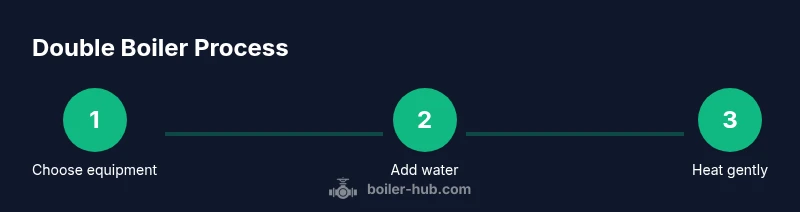
Ready-to-use at a glance guide for a quick start: 1) Select a pot and heatproof bowl that nest well. 2) Fill the pot with 1-2 inches of water. 3) Place bowl on top, ensure clearance. 4) Bring water to a gentle simmer. 5) Add ingredients and stir as needed. 6) Remove from heat when temperature is reached and wipe dry. This section gives you the anchor steps to begin cooking with confidence; for more detail, see the step-by-step section below.
Troubleshooting common issues
If the chocolate seizes, immediately remove the bowl and gently rewarm with a splash of warm liquid and a spoonful of oil or cream to loosen the texture. If water splashes into the bowl, lower the heat and adjust the amount of water beneath. If steam is weak, check that the water isn’t boiling away and that the setup is stable on the stove. Finally, if the mixture still looks grainy, remove from heat and whisk vigorously off the heat to encourage emulsification. With routine practice, most problems resolve quickly by adjusting heat and keeping a calm approach.
Tools & Materials
- heatproof bowl(Stainless steel or glass, fits over pot with 1-2 cm clearance)
- saucepot or medium pot(Wide enough to support bowl and allow steam)
- water(Enough to create a steady simmer without touching the bowl)
- thermometer (optional)(Helpful for precise temperatures when tempering chocolate or custards)
- silicone spatula(Non-reactive, easy to scrape sides)
- whisk(Useful for emulsions and smooth textures)
- tongs or oven mitts(For safe handling when hot)
- dish towel or pot holder(To stabilize bowls and catch condensation)
Steps
Estimated time: 15-25 minutes
- 1
Choose equipment
Select a pot and heatproof bowl that nest well with clear space beneath the bowl. Ensure the bowl can rest securely on the pot rim without tipping. This step sets the foundation for even heating and stability.
Tip: Test the fit by placing the bowl on the pot empty to confirm it sits evenly before adding water. - 2
Fill pot with water
Pour enough water into the bottom pot so that it will simmer but never reach the bottom of the bowl. Too much water wastes energy; too little water risks drying out and scorching the base.
Tip: Aim for 1-2 inches of water, depending on pot height and bowl diameter. - 3
Position the bowl
Set the heatproof bowl on top of the pot, ensuring it sits above the water line and doesn’t touch the liquid. Create a stable, circular resting place so steam can circulate freely around the bowl.
Tip: If needed, use a rack or a folded towel under the bowl to elevate it slightly and secure stability. - 4
Heat to a gentle simmer
Turn the burner to medium-low and bring the water to a gentle simmer. You’re aiming for steady steam, not a rolling boil, to prevent sudden temperature spikes and splashes.
Tip: Keep a close eye on the simmer; adjust flame in small increments to maintain control. - 5
Add ingredients and melt
Add ingredients to the bowl (e.g., chopped chocolate or butter) and stir or whisk as needed. The bowl heats gradually via conduction from the steam and hot water beneath, so heat evenly and avoid scorching.
Tip: If the mixture thickens or clumps, remove the bowl briefly and rewarm with slow, steady stirring. - 6
Monitor, adjust, and finish
Keep temperatures gentle and monitor texture closely. When the ingredients are smooth and fully melted, remove the bowl from heat and continue stirring off the heat if needed. Let things cool slightly before use.
Tip: Use a thermometer if tempering chocolate to stay within safe ranges. - 7
Clean and store
Allow both pot and bowl to cool before washing with warm, soapy water. Dry thoroughly to prevent rust or staining, and store in a dry place to keep materials in good condition for next time.
Tip: Avoid harsh abrasives on the bowl and pot to extend their life.
Questions & Answers
Can I use a metal bowl over a pot of water to make a double boiler?
Yes, a metal bowl that is heatproof and fits securely over the pot works well. Ensure it doesn’t contact the water directly and monitor heat to avoid scorching. If the bowl is loose, replace it with a snug fit.
Yes—use a heatproof metal bowl that fits securely, and monitor heat to prevent scorching.
Is a true double boiler necessary for chocolate?
Not strictly, but it significantly reduces the risk of scorching and helps with tempering. A well-executed homemade double boiler provides comparable control for most home recipes.
Not strictly, but it helps a lot with control, especially for chocolate tempering.
What if I don’t have a double boiler setup?
You can improvise with a heatproof bowl over a pot, using a rack or folded cloth to raise it slightly. Use a diffuser if your stove runs hot, and stir constantly to maintain even heating.
You can improvise with a heatproof bowl and a rack; stir constantly for even heating.
How should I clean a homemade double boiler after use?
Let components cool, wash in warm soapy water, and dry completely. Inspect for cracks or warping before the next use and replace any damaged parts.
Cool, wash with warm soap, dry well, and check for damage before reuse.
Can I use this method for Hollandaise or béchamel sauce?
Yes. A gentle heat setup helps emulsify Hollandaise and thicken béchamel without breaking the sauce. Maintain low heat and whisk steadily for best results.
Absolutely—gentle heat helps emulsify and thicken sauces safely.
Watch Video
Key Points
- Use gentle, controlled heat to protect texture
- Choose matching pot and bowl for stability
- Keep water at a steady simmer, not a full boil
- Clean promptly to extend equipment life