DIY Double Boiler: Safe, Simple Home Cooking Method
Boiler Hub Team shares a practical, safety-forward guide to building a DIY double boiler for melting chocolate, custards, and sauces. Learn materials, heat control, and maintenance for reliable, even heating.


Set up a DIY double boiler to gently melt or heat ingredients without scorching. You’ll need a sturdy pot, a heat-safe bowl, water, and a thermometer. This guide covers material choices, heat control, and safe handling so you can melt chocolate, temper ganache, or make custards with confidence.
What is a double boiler and why a diy double boiler matters
A double boiler is a gentler method of applying heat to delicate ingredients by using steam to warm a second, smaller vessel. In a DIY setup, you place a heat-safe bowl inside a larger pot with simmering water beneath. This creates a controlled thermal bath that prevents direct contact with the heat source and reduces the risk of scorching or curdling. For a kitchen tool that most home cooks will reach for during chocolate tempering, custards, sauces, and even certain baby foods, a properly built diy double boiler offers steady, even heat and improved texture. According to Boiler Hub, investing time to assemble a safe setup pays off with fewer ruined batches and more consistent results.
In practice, you’re not boiling ingredients directly on the stove. Instead, you rely on gentle steam and a small buffer of water to keep temperatures in a forgiving range. The most common success stories involve melting chocolate smoothly, warming ganache without separating, and tempering dairy-based sauces without forming lumps. The core idea is simple: heat transfer through steam to a secondary vessel, with temperature monitored and controlled.
A well-made diy double boiler can be built from common kitchen items, making it accessible to homeowners and facility managers alike. The approach is flexible and scalable: you can adjust water levels, pick different vessel sizes, and tailor your setup to the exact task at hand. For best results, keep your focus on temp control and gentle handling rather than chasing rapid temperatures.
Boiler Hub’s guidance emphasizes safety, repeatability, and clean-up ease. With the right materials and a measured technique, you can rely on a do-it-yourself double boiler to deliver superior, consistent heating for a variety of recipes.
note):null},
toolsMaterialsOldTagFormat? useNewStructure? IfPresent
Tools & Materials
- Large pot or sauté pan (deep and wide)(Choose a pot large enough to hold a heat-safe bowl with several inches of water underneath the bowl rim, leaving space for steam.)
- Heat-safe bowl (glass, stainless steel, or ceramic)(Must fit comfortably inside the large pot without touching the bottom of the pan.)
- Smaller pot or a heatproof insert (optional)(Useful for creating an extra layer between the water and the bowl if your setup is tight.)
- Thermometer (candy or digital instant-read)(Aim for 170–185°F (76–85°C) for many pastry applications; track target temps per recipe.)
- Water (tap water is fine for setup)(Add about 1–2 inches of simmering water under the bowl; avoid boiling vigorously to minimize agitation.)
- Tongs, oven mitts, or heat-resistant gloves(Use for safe handling when moving pots or bowls during heating.)
- Silicone mat or trivet (optional)(Protects the countertop when transferring hot vessels.)
- Dish soap and sponge for cleanup(Clean pots and bowls promptly to prevent residue from hardening.)
Steps
Estimated time: 30-45 minutes
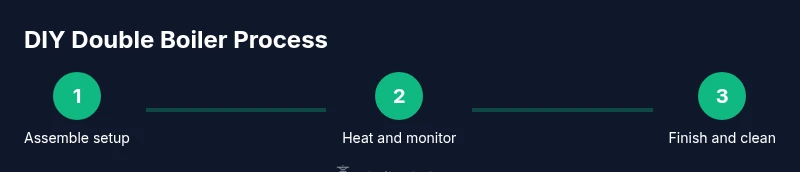
- 1
Prepare workspace and gather items
Clear the countertop, wash the pots and bowls, and lay out the thermometer and gloves. Confirm you have all required components before you start to avoid interruptions.
Tip: Having everything within arm’s reach reduces temptations to rush and risk spills. - 2
Fill the large pot with water
Pour in enough water to create a simmering bath, typically 1–2 inches deep. Do not fill so high that water can splatter into the bowl.
Tip: Keep the water level below the bowl’s bottom to avoid direct contact with the floating vessel. - 3
Place the heat-safe bowl into the pot
Set the bowl in the pot, ensuring it sits stable and does not wobble. The bowl should rest on the rim or a trivet if needed.
Tip: If the bowl rocks, reposition the pot or add a silicone mat for stability. - 4
Begin heating and monitor temperature
Turn on gentle heat. Use the thermometer to track temperature, aiming for the target range specific to your recipe.
Tip: Avoid letting the water reach a full boil; keep it at a steady simmer to avoid steam burns. - 5
Add ingredients and melt gradually
Introduce ingredients (e.g., chocolate chips, cream) gradually and stir slowly to promote even melting.
Tip: Stir with a silicone spatula to prevent scratching and ensure uniform heat distribution. - 6
Maintain temperature and texture
Keep the bath temperature within the safe window and continuously agitate the mixture to prevent hotspots.
Tip: If the mixture looks too thick or clumpy, pause and recheck temperature before continuing. - 7
Finish and remove from heat
Once melted and smooth, carefully lift the bowl and place on a heat-resistant surface to cool slightly before using.
Tip: Handle hot bowls with mitts; burns are common when rushing removal. - 8
Clean up and store equipment
Wash all components promptly, dry thoroughly, and store in a dry, organized space for next use.
Tip: Rinse with warm soapy water before air-drying to prevent mineral buildup.
Questions & Answers
What exactly is a double boiler and when should I use it?
A double boiler uses steam from simmering water to heat a secondary vessel, preventing direct contact with heat. It’s ideal for delicate recipes like chocolate, tempering, custards, and sauces that require steady, gentle heat.
A double boiler heats ingredients indirectly with steam, perfect for delicate textures.
Can I substitute a DIY double boiler with a microwave or direct pot heating?
While microwaves and direct heat can work for some tasks, they often cause uneven heating and scorching. A DIY double boiler offers more control for delicate tasks and reduces risk of burnt edges.
Microwave substitutions can work for quick tasks, but they’re not ideal for precise heating.
What materials should I avoid in a DIY setup?
Avoid reactive metals like unseasoned aluminum; choose stainless steel, tempered glass, or heat-treated ceramics. Also avoid flimsy bowls that could crack under heat.
Stick to sturdy, nonreactive materials to prevent unwanted flavors or safety hazards.
Is induction cooking compatible with a DIY double boiler?
Yes, induction works well with the right vessels. Use a heavy-bottom pot and ensure your bowl material is induction-friendly or use a compatible insert.
Induction is fine as long as your pots and bowls are compatible.
How do I prevent water from entering the top bowl?
Keep water level low and ensure the bowl sits above the water line. A little steam is fine, but water can dilute or scorch ingredients.
Keep the water level below the bowl and monitor heat.
How should I clean and store my DIY double boiler components?
Wash promptly after use, dry completely, and store separate components together to avoid misplacing parts.
Wash and dry all parts, then store neatly for next use.
Watch Video
Key Points
- Choose stable, heat-safe vessels
- Control heat with a gentle simmer
- Monitor temperature with a reliable thermometer
- Stir to prevent hotspots and scorching
- Clean promptly to maintain performance