Replace Gas Boiler with Electric: A Complete How-To Guide
Learn how to replace a gas boiler with electric, from feasibility and permits to installation, safety, and maintenance, with practical steps and expert guidance from Boiler Hub.


Replacing a gas boiler with electric is a major home upgrade that affects comfort, energy use, and safety. This guide outlines feasibility, permits, equipment options, and a clear step-by-step plan. Expect assessments by licensed professionals, electrical work, and system commissioning. Ready to start? The steps below show how to plan, install, and maintain an all-electric heating solution.
Why replacing a gas boiler with electric can be a smart move
Switching from a gas-fired boiler to an electric system is a decision that affects comfort, cost, and the environmental footprint of your home. The Boiler Hub Team notes that electric heating systems can be cleaner to operate when the electricity supply comes from low-emission grids, and they often require less ongoing maintenance than gas boilers. In many homes, the switch also opens the door to smarter controls, better zoning, and potential reductions in fuel bills over time, especially if you can take advantage of time-based tariffs or rebates. However, the feasibility hinges on your building's insulation, existing radiators or underfloor heating, and the electrical capacity of your panel. A careful assessment of these factors will determine whether an all-electric solution is practical or if a hybrid approach (such as a heat pump plus backup electric boiler) makes more sense. According to Boiler Hub, a thoughtful electrification plan often yields improved comfort, lower maintenance, and a smaller carbon footprint when paired with clean electricity. This framing helps homeowners and facility managers evaluate the path forward with confidence.
Costs, Savings, and Payback (Non-numeric)
Replacing a gas boiler with electric shifts the cost calculus from fuel prices to electricity use, maintenance, and equipment costs. There are no universal price tags you can rely on—every home is different. What you can expect is that total expenditure will vary with the size of your home, the existing heating distribution system, and the electrical capacity available on your service. The Boiler Hub Analysis, 2026 notes that savings often come from lower maintenance and potential efficiency gains, balanced against electricity costs and the need for proper insulation. A well-insulated home with high-efficiency radiators or modern heat emitters will typically realize the best payback. In some markets, incentives or rebates for electrification can shorten the payback period. Your decision should weigh long-term energy consumption, climate strategy, and comfort goals rather than chasing a single number. Boiler Hub consistently emphasizes planning and professional guidance to avoid overpayment or underperformance.
System Options: Electric Boilers, Heat Pumps, and Controls
An electric boiler is one option, but many homes benefit from a heat pump strategy, sometimes paired with an electric boiler as a backup. Modern electric boilers come in wall-mounted or floorstanding styles and are compatible with smart thermostats that optimize heat distribution. A heat pump extracts ambient heat from air, ground, or water and delivers it through your existing radiators or underfloor system. In either case, advanced controls—thermostats, zoning, weather compensation—can maximize efficiency. Size selection should be guided by a professional calculation that accounts for peak winter load, radiator output, and the home's insulation. The goal is to meet perceived comfort with the lowest operating costs, not just to replace a boiler for the sake of modernization. The Boiler Hub Team recommends considering hybrid strategies where appropriate to maximize reliability and efficiency.
Sizing and Performance: Matching the Load
Accurate load calculation is essential to avoid oversizing or undersizing your new electric heating system. An oversized unit wastes energy and may cause short cycling, while an undersized unit can leave rooms cold. Online calculators are helpful for rough estimates, but a professional assessment should confirm the right boiler output and heat distribution strategy for your home. Consider existing radiators or underfloor heating, hot-water requirements, and the possibility of thermal storage. Keep in mind that electric systems respond quickly to demand changes, so a responsive control strategy can improve comfort without dramatically increasing electricity use. Proper sizing is the foundation of efficiency and reliable comfort.
Electrical Capacity, Wiring, and Permits
Converting to electric heating involves more than swapping a boiler. Your electrical service must safely support the new load. A licensed electrician should measure panel capacity, determine whether a new dedicated circuit is required, and assess whether service upgrades are needed. In many jurisdictions, permits and inspections are required for changes to heating equipment and electrical connections. Planning ahead with the authority having jurisdiction helps prevent delays and ensures code-compliant work. The Boiler Hub Team recommends engaging professionals early to outline the scope of electrical work, routing of wiring, and any required heat emission controls.
Installation Basics: What to Expect
Removal of the old gas boiler, safe disposal of components, and the installation of a new electric boiler will be coordinated with plumbing and electrical trades. Expect pipework adaptations, potential relocation of the boiler, and the addition of safety features such as expansion tanks or check valves. The installer should test controls, verify safe thermostat operation, and confirm that heat output meets the planned design. Because gas and electric systems have different venting and combustion considerations, do not attempt to mix components or perform conversions without professional oversight. A well-planned installation minimizes downtime and maximizes comfort.
Maintenance and Longevity
With proper maintenance, an electric boiler or heat pump system can deliver reliable comfort for many years. Plan for annual checks of electrical connections, thermostat calibration, and pump operation. Clean filters or strainers as required and monitor for odd noises or leaks. Regular maintenance helps keep efficiency high and reduces the risk of unexpected failures. Budget for occasional professional service visits, which often include safety checks and performance testing. Keeping up with maintenance helps preserve efficiency and extend equipment life.
Safety, Compliance, and Professional Help
Switching from gas to electric introduces changes in electrical wiring, venting (if applicable), and control strategies. Always rely on licensed professionals for sizing, installation, and commissioning. Ensure safety devices such as CO detectors remain installed and functioning, even with electric systems. Compliance with local codes and building regulations is essential for warranty protection and future resale value. The Boiler Hub Team emphasizes that professional installation is the single most important step for a safe, effective conversion.
Case Scenarios: When It Makes Sense or Not
For some homes, electrification offers clear benefits when paired with strong insulation and modern controls. In others, especially where electricity prices are high or where electrical capacity is limited, a pure electric replacement may be less economical. In rural areas with unreliable power, a hybrid approach or continued gas backup might be more practical. Consider long-term climate goals, the availability of incentives, and the ability to receive professional service in your area. A thoughtful assessment will reveal whether a full switch to electric is the right path for you.
Tools & Materials
- Electric boiler kit (appropriate size for home heating)(Ensure compatibility with emitters and controls)
- Dedicated electrical circuit and wiring(Installed by a licensed electrician; may require panel upgrade)
- Circuit breaker and grounding hardware(Match electrical code and load requirements)
- Expansion tank (hydronic systems)(Prevents pressure issues in closed loops)
- Thermostats and zoning controls(Programmable or smart controls for efficiency)
- Piping adapters and fittings(For adapting existing piping to electric boiler connections)
- Ventilation accessories (if required by design)(Check local code for venting needs with hybrid setups)
- Permits and inspection documents(Essential for code compliance and warranty)
- Personal protective equipment (PPE)(Gloves, eye protection, and dust masks as needed)
Steps
Estimated time: 6-12 hours
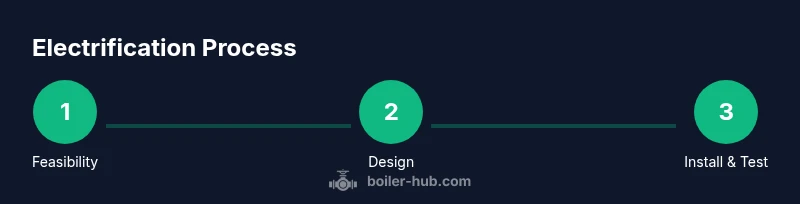
- 1
Assess feasibility and plan
Schedule an in-home assessment with a licensed plumber and electrician to confirm load, layout, and electrical capacity. Gather equipment specs from your existing gas boiler and list any existing radiators or underfloor heating. This planning step ensures the project is realistic and scope is defined.
Tip: Document current boiler model, radiators, and electrical panel rating to speed up assessment - 2
Obtain permits and hire professionals
Check with your local authority about required permits for electrical work and heating-system replacement. Hire a licensed electrician and a certified boiler technician to design and install the system; insist on a written plan and timeline.
Tip: Ask for past project references and proof of licenses before signing - 3
Design the system and select equipment
Work with the installers to choose the correct electric boiler size, heat emitters, and controls. Verify compatibility with existing radiators or plan for upgrades. Ensure a backup heating option if needed for very cold days.
Tip: Request a redundant backup strategy and an energy-efficiency plan to optimize long-term costs - 4
Prepare electrical and plumbing work
Prepare the space for new equipment, routing wiring and piping as required. Ensure a dedicated circuit and proper grounding, plus any venting or exhaust adaptations if your system uses a hybrid approach.
Tip: Clear the installation area and mark access routes for service technicians - 5
Install, test, and commission
Install the new electric boiler and associated controls, run pressure and flow checks, and test thermostat programming. Confirm zone heating performance and safety devices operate correctly. Schedule a final inspection if required by code.
Tip: Keep a log of settings and any anomalies observed during commissioning
Questions & Answers
Is it legal to replace a gas boiler with electric in a typical home?
Legal requirements depend on local codes and permits. A licensed professional should guide you through permits, inspections, and compliance to avoid penalties and ensure warranty protection.
legality depends on your area; you’ll need permits and inspections handled by licensed pros.
What are the main electrical requirements for an electric boiler?
You’ll need a dedicated circuit and adequate panel capacity. A licensed electrician must assess wiring, grounding, and whether a panel upgrade or service upgrade is required.
Your electrician will confirm the exact electrical needs and any panel upgrades.
Will replacing a gas boiler with electric reduce my energy costs?
That depends on electricity prices, usage, and efficiency gains. Maintenance costs may drop, but overall costs vary by climate, electricity rates, and home insulation.
It depends on electricity prices and efficiency; a good plan helps optimize savings.
Can I install an electric boiler myself?
No. Replacing a gas boiler with electric involves electrical wiring and regulatory compliance that require licensed professionals for safety and warranty.
This job should be done by licensed pros, not DIY.
What about carbon monoxide safety after replacement?
Electric boilers do not emit CO, but CO detectors remain important in case other fuel sources are present in the home. Maintain detectors and ventilation.
Electric systems don’t emit CO, but detectors are still important for overall safety.
How long does installation typically take?
Time varies by home, but most projects span from a few hours to a couple of days, depending on ductwork, electrical work, and scheduling with trades.
It usually takes from a few hours to a couple of days, depending on the project scope.
Watch Video
Key Points
- Assess insulation and load before choosing electric heat
- Engage licensed professionals for all electrical work
- Consider a hybrid approach for efficiency and reliability
- Expect permits and inspections to ensure code compliance
- Maintenance is essential for long-term performance