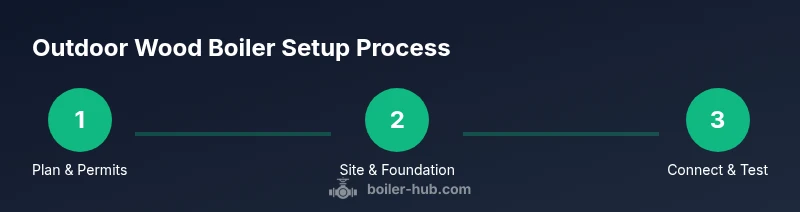
Outdoor Wood Boiler Setup: Step-by-Step Guide
Learn how to plan, size, install, and safely operate an outdoor wood boiler setup. This educational guide covers site planning, selection, plumbing, fuel handling, safety, and maintenance for reliable off-grid heating in 2026.


This guide shows you how to plan, install, and safely operate an outdoor wood boiler setup. It covers site selection, permits, boiler choice, plumbing, fuel handling, and routine maintenance. Follow the steps and safety guidelines to ensure efficient heating with clean burn and compliant installation. Whether you’re retrofitting an older home or building a new off-grid setup, this guide helps you avoid common mistakes and establish long-term reliability.
Site planning and permits for outdoor wood boiler setup
Before you pull the first permit or order parts, map your site carefully. Consider how close the planned equipment will be to living spaces, property boundaries, and drainage patterns. Check with your local building department regarding required permits, zoning rules, and any environmental or fire-safety approvals. Outdoor wood boiler installations may be subject to emission standards and weatherproofing guidelines, so review manufacturer instructions as well as code requirements. According to Boiler Hub, deliberate planning reduces risk and improves long-term performance, especially when handling volatile fuels and outdoor moisture. Create a simple site diagram that shows the boiler location, the routing for supply and return lines, and the path for venting. Document clearances around the unit for maintenance access, ash removal, and routine inspections. If you anticipate future expansion—extra heating zones or storage—you’ll want space to grow without moving the equipment. In 2026, many jurisdictions emphasize energy efficiency and smoke-control considerations, so check for local incentives or rebates that can help offset installation costs. By investing time in planning, you minimize rework, protect yourself from weather damage, and set a solid foundation for reliable heating.
Choosing the right outdoor wood boiler (size, efficiency, and features)
Heater sizing begins with your heating load, climate, and how you use space. Start with a rough calculation based on the square footage to heat, insulation quality, and average winter temperatures. The boiler you select should reliably meet that load while fitting your fuel type and local air quality expectations. Look for robust insulation, a corrosion-resistant heat exchanger, a sealed combustion chamber, and easily accessible service points. If you expect variable demand, consider a model with a buffer or storage option to decouple heat production from consumption. Efficiency matters because better insulated boilers burn less fuel and produce fewer emissions. Check the boiler’s stated efficiency metric, and compare insulation thickness and heat‑exchange surfaces across models. Also review warranty terms and the availability of parts and service in your region. Seasoned wood, low moisture content, and proper loading practices will maximize performance. If you plan to add zones or switch between heat sources later, choose a unit designed for modular expansion and compatible accessories. In practice, take notes on each option’s weight, footprint, and installation requirements so you can make a confident, durable choice.
Location and installation considerations (clearances, ventilation, weather protection)
Outdoor boilers require solid, level placement away from combustibles and accessible for maintenance. Set the unit on a noncombustible base with drainage that prevents pooling near electrical connections. Ensure a clear vent path that complies with local code and minimizes smoke near walkways or doors. A weatherproof canopy or enclosure helps shield the boiler from rain, snow, and temperature swings, while still allowing for routine servicing. Provide adequate combustion air—neither starve the unit nor create excessive drafts. Plan the routing of supply and return lines to minimize heat loss and to keep service points reachable for draining, bleeding, and winterization. In many regions, code requires a drip edge, fire-rated barriers, and proper securing of the stack and piping. The Boiler Hub guidance emphasizes a precise, code‑compliant setup and emphasizes drainage away from foundations. Include dry space for the electrical disconnect and all wiring terminations, and label controls clearly so inspections go smoothly. Finally, check local environmental rules about exhaust, ash disposal, and wildlife considerations around outdoor equipment.
Plumbing design: connecting to your heating system and storage
Design the piping layout to minimize pressure losses and ensure reliable circulation. Use a primary loop that connects the boiler to your home’s zones, and consider a secondary storage buffer if you foresee peak demand. Install a backflow preventer, purge valves, and shut‑offs at strategic points. Use PEX or copper with appropriate insulation and strain relief; keep runs short and well supported. Place the circulator pump where it is easy to service and maintain, and consider a thermostat‑controlled pump to save energy. Because water expands as it heats, include an expansion tank and air elimination to prevent pressure spikes. If you are tying into an existing system, ensure heat‑source setpoints and valve configurations allow balanced operation with other heat sources. For radiant or baseboard circuits, route lines to the furthest zones first and return to the boiler to form a closed loop. When possible, install a temporary bypass during startup so you can bleed air safely without disturbing the entire system. Always test each connection for leaks before you apply full heat.
Fuel management and wood preparation
Fuel quality drives performance and emissions. Use seasoned wood with low moisture content; store wood off the ground in a dry, ventilated location to prevent decay and mold. Maintain a predictable loading schedule to keep the boiler cycling evenly and avoid short, smoldering burns that waste fuel. Match log size to the firebox—split wood often burns more cleanly and consistently. Keep basic tools ready for on-site splitting and staging, and arrange a dedicated ash bin for safe disposal. Never place wood stock near the boiler or exhaust stack to avoid accidental ignition. Establish a routine cleaning plan to remove soot and creosote, especially in the burn chamber and smoke outlet. By managing fuel quality and storage, you maximize heat output, reduce maintenance, and extend the life of your outdoor boiler.
Safety, codes, and environmental considerations
Outdoor boiler installation should follow local building and fire codes. Ensure electrical work, disconnects, and control wiring comply with applicable standards, and hire a licensed electrician if required. Install CO detectors in living spaces and near bedrooms, and use a properly sized exhaust stack to prevent backdraft. Maintain a safe clear zone around the unit for inspections, loading, and ash removal, and never bypass safety devices or modify components beyond the manufacturer’s instructions. Consider emissions and ash disposal practices that minimize environmental impact; follow fuel quality guidance and any required testing. Regularly inspect gaskets, seals, and the firebox for wear, and address any signs of corrosion or leaks promptly. Keeping up with maintenance protects your family’s health, preserves the warranty, and helps the system perform as designed.
Commissioning, testing, and troubleshooting
Begin with a dry run to validate clearances, wiring, and control sequences before firing wood. Fill the loop with clean water and bleed air from high points until steady water flows and no air pockets remain. Check all joints for leaks and verify circulation throughout the system across several load steps (low, medium, high). Monitor temperature and pressure gauges to ensure safe operation and identify any unusual swings. When first firing, use dry, seasoned wood and monitor stack draft and emissions; adjust air controls as needed for clean combustion. If the system does not achieve target temperatures or hotspots appear, inspect valve positions, flow rates, and possible blockages. Keep a log of readings, adjustments, and fuel usage for ongoing optimization. If in doubt, consult the boiler manufacturer’s troubleshooting guide and seek professional help for persistent issues.
Maintenance plan and long-term care
Create a proactive maintenance schedule that includes annual inspections, gasket checks, burner cleanouts, and soot management. Maintain a log of burn times, fuel purchases, maintenance tasks, and performance trends to identify efficiency changes over seasons. Inspect expansion and purge valves, corrosion protection, and insulation; reseal and recoat weatherproofing as needed. Keep ventilation components clean and ensure the exhaust path remains unobstructed. Schedule professional checkups to verify electrical safety, safety devices, and system integration with existing heating equipment. By prioritizing a consistent care plan, you’ll extend the life of your outdoor wood boiler while preserving efficiency, safety, and comfort during colder months.
Tools & Materials
- Outdoor wood boiler (approved for outdoor use)(Select a model sized for your heating load; verify clearance from combustibles.)
- Concrete pad or weatherproof foundation(Level, solid, and properly cured; ensure drainage.)
- Copper or PEX piping and fittings(Include insulation and expansion loops; plan for future expansion.)
- Backflow preventer and plumbing valves(Code-compliant, accessible; install at appropriate points.)
- Circulator pump and expansion tank(Size per system design and location accessible for service.)
- Thermal storage tank (optional)(Useful for smoothing peak demand and zone mixing.)
- Weatherproof venting and stack components(Proper sealing and height per code; prevent backdraft.)
- Electrical disconnect and wiring per code(Licensed electrician if required by local code.)
- Pipe insulation and protective sheathing(Minimize heat loss and protect against weather.)
- Gaskets, sealants, and pipe dope(Ensure leak-free joints at all connections.)
- CO detector and smoke alarm(Install in living areas and near sleeping spaces.)
- Basic hand tools kit (wrenches, pliers, screwdrivers)(Include pipe wrenches and adjustable wrenches for various fittings.)
Steps
Estimated time: 8-12 hours
- 1
Survey site and permits
Identify accessible route and confirm permit requirements with local authorities. Assess proximity to structures, property lines, and drainage. Gather the necessary documents before purchasing equipment.
Tip: Check local permit timelines and keep a digital record of approvals. - 2
Choose location and foundation
Select level ground with good drainage and easy access for maintenance. Install a noncombustible pad and ensure space for venting and service clearances.
Tip: Use shims to level the pad and verify levelness with a spirit level. - 3
Unbox, inspect, and assemble components
Inspect all parts for shipping damage and lay out components so you can verify each item matches the bill of materials. Assemble boiler sections as per manufacturer instructions.
Tip: Keep fasteners organized in labeled containers to speed assembly. - 4
Install venting and weatherproofing
Attach the exhaust stack and weatherproofing with proper gaskets; ensure joints are tight and sealed against moisture.
Tip: Avoid crossing vent lines and ensure a clean, straight path to the outdoors. - 5
Plan piping routes and install storage/buffer
Route supply and return lines to minimize heat loss; position buffer/storage to balance load and reduce cycling.
Tip: Label all lines to simplify future maintenance and zoning changes. - 6
Install expansion, backflow, and valves
Place expansion tank and backflow preventer; install purge valves for air removal and servicing.
Tip: Bleed air after filling to prevent air locks in the loop. - 7
Electrical connections and safety disconnect
Run wiring per code; install a readily accessible disconnect and ensure equipment grounding.
Tip: Hire a licensed electrician if required by your local code. - 8
Fill, bleed, and test air
Fill the loop with clean water and bleed air from high points until clear water flows. Check for leaks at joints and fittings.
Tip: Do a gradual pressure test before full operation. - 9
Initial startup and verification
Light a small fire, monitor stack draft, temperature, and pressure. Verify zones respond and adjust controls as needed.
Tip: Document readings and any adjustments for future reference.
Questions & Answers
Is an outdoor wood boiler setup legal in my area?
Permits and codes vary by location; check with your local building department and fire authority. If required, hire a contractor to ensure compliance.
Permits vary by area, so check with local authorities and get referrals for compliant installation.
What size boiler do I need for my home?
Size depends on the heating load, climate, and desired duty cycle. A professional assessment or dynamic load calculation is recommended.
Boiler size depends on your load; get a professional assessment.
Do I need a thermal storage tank?
A buffer or storage tank can smooth demand and improve efficiency, but it’s optional based on usage and system design.
A buffer helps, but it's not always required.
What maintenance schedule should I follow?
Follow the boiler manufacturer’s guidelines and local codes. Regular inspections of gaskets, seals, and exhaust are important.
Keep to a regular maintenance schedule.
Can I connect an outdoor boiler to an existing furnace system?
Yes, it’s possible to tie into an existing hydronic system, but proper zoning and valve configurations are essential. A professional should plan this.
Yes, but plan carefully with a professional.
What safety devices are essential?
CO detectors, proper venting, electrical disconnects, and shutoffs are essential. Do not bypass safety devices.
Install CO detectors and safe venting.
Watch Video
Key Points
- Plan first, secure permits, and verify codes.
- Size the boiler to your load and climate for efficiency.
- Design piping to minimize losses and allow easy service.
- Maintain fuel quality and regular maintenance schedule.
- Prioritize safety devices and professional electrical work when required.