Outdoor Wood Boiler Installation: A Practical Guide
A comprehensive, step-by-step guide to planning, permitting, and installing an outdoor wood boiler, with safety, maintenance, and efficiency tips for homeowners and facility managers.


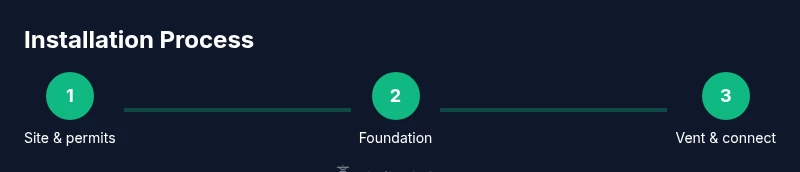
This guide helps homeowners plan, install, and safely operate an outdoor wood boiler. By following code-compliant steps, you’ll secure permits, pick a proper site, prepare foundations, install venting, and schedule maintenance. The Boiler Hub team explains essential safety, clearances, and best practices for efficient heating with wood. Whether you’re replacing an old system or starting fresh, this plan covers site selection, equipment choices, and budgeting considerations.
Site Selection, Permits, and Code Compliance
Choosing a location for an outdoor wood boiler installation is the foundation of safety and efficiency. You’ll want a firm, level pad with proper drainage and enough clearance to comply with local codes and manufacturer specs. According to Boiler Hub, starting with a solid site reduces smoke nuisance, minimizes ash exposure, and simplifies future maintenance. Verify setbacks from property lines, buildings, and overhanging branches; contact your local building department for required permits early in the project. Collect all blueprint-style drawings from the boiler manufacturer, which typically specify required clearances, venting routes, and frost protection. A well-planned site also considers weather exposure: high winds can blow smoke toward neighbors, while heavy snow loads can affect foundation integrity. In many jurisdictions, you will need a building or mechanical permit, plus an inspection before you energize the system. Keep a digital folder of permits, product manuals, and clearance diagrams so you can reference them during installation and future servicing. This approach aligns with national safety guidelines and regional regulations to ensure a compliant and durable installation.
Foundation, Drainage, and Site Prep
A sturdy foundation is critical for outdoor wood boiler installation. Start with a reinforced concrete pad or pressure-treated timber deck sized to bear the boiler’s weight and any ancillary components. Proper drainage prevents standing water around the unit, which can corrode metal and encourage mold growth. Create a graded, level surface with a slight slope away from any nearby structures to channel moisture away. Use vapor barrier and non-combustible edging to reduce fire risk and protect the surrounding landscape. Site preparation also includes placing the boiler on a non-flammable base, clearing vegetation within clearances, and ensuring access for maintenance. If soil tests indicate a poor bearing capacity, you may need a raised platform or piers. A well-planned foundation minimizes vibration, extends equipment life, and simplifies future servicing. Boiler Hub’s guidance emphasizes alignment with manufacturer specs and local codes for a long-lasting installation.
Sizing, Equipment Selection, and System Design
Correct sizing is essential for comfort, efficiency, and cost control in outdoor wood boiler installation. Start by calculating heat load (BTUs) for your space, considering climate, insulation, and humidity. Overly large boilers waste wood and create excessive draft; undersized units leave you cold during peak demand. Choose a boiler rated for outdoor use, with a durable weatherproof cabinet and a corrosion-resistant water jacket. Consider ancillary equipment such as weatherproof enclosures for ash collection, an expansion tank, a primary/secondary piping arrangement, and an efficient heat exchanger. Always review warranty terms and verify compatibility with your existing heating system or distribution network. The Boiler Hub team notes that correct sizing, evidence-based selection, and adherence to manufacturer installation instructions are critical for performance and safety.
Venting, Piping, and Thermal Efficiency
Venting and piping are the arteries of your outdoor wood boiler installation. Use manufacturer-specified venting materials, typically double-walled stainless steel chimney sections designed for outdoor use. Maintain explicit clearance from combustibles and avoid sharp bends that increase back-pressure. Piping should minimize heat loss; insulate runs, seal joints, and use compatible materials (copper, PEX, or CPVC as recommended). Implement a well-designed flow path between the boiler, storage tank, and distribution system to reduce thermal losses and improve efficiency. Regularly inspect for leaks and corrosion, especially at joints and connections. Boiler Hub stresses that following a precise venting and piping plan not only meets safety codes but also delivers dependable heat with lower fuel consumption over the system’s life.
Fuel Handling, Storage, and Seasonal Considerations
Efficient outdoor wood boiler installation depends on reliable fuel handling and storage. Store seasoned wood in a dry, ventilated structure to ensure consistent moisture content and better combustion. Implement a dry storage strategy that keeps wood off the ground and protected from rain, while allowing air circulation. Develop a fueling routine that matches your boiler’s burn rate, and never overload the stove system, which can cause smoke, creosote buildup, and damage. Seasonal considerations include prepping for winter fuel supply, ensuring robust loading procedures, and protecting the unit from freezing temperatures with proper insulation and antifreeze strategies as recommended. The Boiler Hub guidance emphasizes safe storage, controlled fuel flow, and routine checks to sustain efficiency and reduce emissions.
Electrical Connections, Controls, and Safety Devices
Electrical work must meet code requirements and be performed by a qualified electrician or a trained technician. Install a dedicated circuit, a grounded disconnect, GFCI protection for outdoor outlets, and weatherproof enclosures. Correctly wire controls for thermostat integration, circulation pumps, and any smart-enabled monitoring. Install safety devices such as low-water cutoffs, pressure relief valves, and an expansion tank to manage pressure variation. Ground fault protection reduces risk for maintenance personnel and occupants. Boiler Hub highlights that proper electrical practices prevent dangerous faults and ensure reliable system control, particularly in remote outdoor installations where moisture and temperature cycling are common.
Installation Overview and Common Pitfalls
With the components in place, proceed with a methodical installation following the manufacturer’s procedures. Secure all components to prevent movement during wind or vibration, verify clearances around combustibles, and test the entire system at low power before full operation. Common pitfalls include undersized foundations, improper venting pitches, leaky joints, and inadequate drainage. Always document every change, maintain a wiring diagram, and store manuals for service reference. A well-documented installation simplifies future maintenance and troubleshooting for homeowners and facility managers alike. The Boiler Hub team recommends scheduling a professional inspection after initial commissioning to verify interlocks and safety devices are functioning correctly.
Maintenance, Inspections, and Longevity
Maintenance is the secret to long life for an outdoor wood boiler system. Schedule seasonal inspections to clean ash deposits, verify gaskets, test safety devices, and confirm venting integrity. Regularly check for rust, seal failures, and hardware loosening caused by temperature cycling. Keep a log of fuel usage, burn efficiency, and service visits to identify trends that might indicate performance drift. Align your maintenance plan with manufacturer recommendations and local safety guidelines. Boiler Hub emphasizes proactive maintenance as the most cost-effective strategy to extend system life, reduce emissions, and maintain consistent heat output.
Tools & Materials
- Permits and code documentation(Check local codes and setbacks; keep digital and printed copies.)
- Concrete pad or footing materials(Reinforced pad sized per boiler manual; include frost protection.)
- Outdoor wood boiler unit and accessories(Weatherproof cabinet, water jacket, and heat exchanger as specified.)
- Weatherproof fuel storage and handling equipment(Dry, ventilated storage close to the boiler but separated from living spaces.)
- Venting system (double-wall chimney)(Manufacturer-specified materials and clearances; avoid sharp bends.)
- Piping and fittings (CPVC/PEX, insulation, sealants)(Use compatible materials and tested sealants for outdoor use.)
- Electrical materials (disconnect, conduit, GFCI, wiring)(Follow National Electrical Code and local amendments; moisture-rated components.)
- Safety gear (gloves, eye protection, PPE)(Use appropriate PPE for cutting, lifting, and heating operations.)
- Thermal expansion tank and pressure relief valve(As per system design and manufacturer specifications.)
- Fireproof mortar/sealants and weatherproofing(Optional but recommended for long-term sealing and durability.)
Steps
Estimated time: 4-7 days
- 1
Assess site and obtain permits
Survey the property to identify a safe location with clearances, drainage, and accessibility. Confirm permit requirements with the local authority and the boiler manufacturer; collect all documentation before starting work.
Tip: Document setbacks and take photos for your permit package. - 2
Design the foundation and drainage plan
Create a level, reinforced pad or platform that bears the boiler weight and provides drainage away from structures. Include frost protection and non-combustible edging.
Tip: Verify soil bearing capacity if the site is uneven or soft. - 3
Select boiler size and compatible components
Match the unit size to your heat load, considering climate and insulation. Ensure venting, piping, and controls are compatible with the boiler model.
Tip: Keep a copy of the manufacturer’s warranty and installation instructions. - 4
Install venting and piping routes
Run the venting in a straight, supported path with appropriate clearances. Install piping with insulated runs and leak-free joints, following the design layout.
Tip: Avoid slopes that trap condensate; seal all joints securely. - 5
Complete electrical connections and safety devices
Run a dedicated outdoor-rated circuit, install a disconnect, weatherproof enclosures, and GFCI where required. Add expansion tank, relief valves, and control wiring per the schematic.
Tip: Have an electrician sign off on the final connections. - 6
Fuel handling setup and seasonal prep
Prepare dry fuel storage, organize loading workflow, and establish a fueling routine that matches burn rate and capacity.
Tip: Store wood off the ground and stack to allow airflow. - 7
Initial fill, test, and commissioning
Fill the system, purge air, check for leaks, and test safety interlocks and controls at low power before full operation.
Tip: Document test results and keep a commissioning checklist. - 8
Schedule professional inspection
Coordinate a final inspection with local authorities and the boiler installer to confirm compliance and safe operation.
Tip: Keep all permits, manuals, and diagrams on site for the inspector.
Questions & Answers
What permits are typically required for outdoor wood boiler installation?
Permit requirements vary by jurisdiction but often include building or mechanical permits. Check with your local building department and boiler manufacturer for a checklist of required documents and inspections.
Most areas require building or mechanical permits; check with your local authority for the exact requirements.
How far should the boiler be from buildings and property lines?
Clearances are dictated by the boiler manufacturer and local codes. Ensure there is adequate space for ventilation, service access, and safe fuel handling.
Refer to the manufacturer’s clearance chart and local codes for safe distances.
Do I need an expansion tank or a pressure relief valve?
Most systems require an expansion tank and a pressure relief valve to manage pressure changes and prevent damage. Confirm with the boiler spec and installer.
Yes, expansion and relief devices are typically required by code and the manufacturer.
Can I install an outdoor wood boiler myself, or should I hire a pro?
DIY can be feasible for simple systems with careful attention to codes and safety, but many jurisdictions require licensed installation for compliance and warranty protection.
It’s possible for skilled homeowners, but many people hire a pro to ensure code compliance and safety.
What maintenance does an outdoor wood boiler require?
Regular cleaning of ash and creosote, checking seals and gaskets, inspecting venting, and lubricating moving parts are typical maintenance tasks. Schedule annual inspections.
Regular cleaning, checks, and an annual inspection keep the system safe and efficient.
What safety precautions should I prioritize during installation?
Wear PPE, keep flammables away, ensure electrical work is weatherproof, and verify venting and clearances to prevent leaks and fires.
Wear safety gear, protect electrical components from moisture, and check venting for leaks.
Watch Video
Key Points
- Plan your site and permits before any physical work.
- Size and component compatibility determine efficiency and safety.
- Follow venting and piping specifications to minimize emissions.
- Prioritize electrical safety and routine maintenance for longevity.