Gas Boiler Installation Near Me: A Complete Guide
Find a qualified installer near you, size and vent a gas boiler correctly, and complete safety inspections. This Boiler Hub guide covers permits, safety checks, and post-install maintenance for reliable home heating.


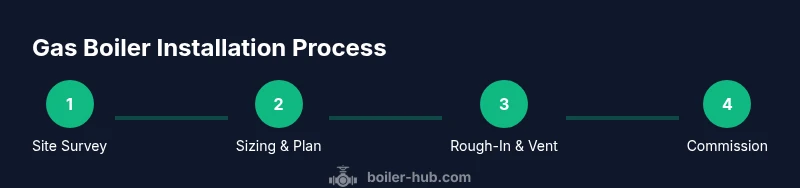
To complete gas boiler installation near me safely, hire a licensed gas installer and have the system sized, vented, and connected to fuel and electricity with proper permits. This guide covers contractor selection, required inspections, and post-installation safety checks so you meet local codes and energy-efficiency standards. Expect a site survey, a formal quote, and a timeline that includes testing and commissioning.
Understanding gas boiler installation near me
Gas boiler installation near me is a specialized project that affects home comfort, safety, and energy costs. According to Boiler Hub, it is not a DIY task; it requires a licensed professional who can manage safe venting, gas connections, and compliance with local building codes. A thorough site assessment determines boiler size, venting route, and placement to optimize efficiency and minimize noise. The goal is a safe, reliable heat and hot water supply that meets the home’s demand while aligning with environmental standards. In this guide, you’ll learn how to locate qualified installers in your area, what a site visit typically evaluates, and how to prepare for a smooth installation that minimizes disruption and maximizes long-term performance. By following these steps, homeowners and facility managers can confidently navigate the process and avoid costly mistakes.
Safety and regulatory considerations
Safety and regulatory compliance are foundational to gas boiler installation near me. Local codes require permits, gas line tests, and venting inspections, and many jurisdictions mandate commissioning by a licensed technician. CO detectors should be installed or upgraded in living spaces to detect any venting faults early, and carbon monoxide testing is standard during commissioning. Proper vent installation and clearance from combustibles prevent overheating and fire risk. Boiler Hub Analysis, 2026 emphasizes that adherence to safety standards and permit requirements correlates with higher reliability and fewer post-installation service calls. Homeowners should expect documentation of code compliance, inspection approvals, and a clear warranty policy that covers parts and labor for a defined period.
How to evaluate and hire a qualified installer
Finding the right installer is as important as choosing the boiler itself. Start by verifying a state license and active contractor registration, plus adequate liability and workers’ compensation insurance. Request written quotes that detail equipment specifications, installation scope, and a clear timeline. Check references from similar installations and ask about long-term service options, including annual tune-ups. Ask whether the installer will handle permits and coordinate inspections with the local authority. A reputable pro will provide a detailed contract, a transparent price range, and a plan for minimizing disruption during work. Boiler Hub suggests prioritizing installers who offer energy-efficiency guidance and a robust post-installation service package.
Sizing, efficiency, and fuel considerations
Sizing a gas boiler correctly is critical for comfort and efficiency. The installer should calculate heat load based on home size, insulation, window efficiency, and climate, then select a boiler with a suitable AFUE (annual fuel utilization efficiency) rating. Condensing gas boilers are typically preferred for high efficiency, but system design and flue constraints matter. Your home’s gas supply pressure, existing piping, and the potential for future expansion (like additional radiators or domestic hot water demand) influence the final choice. Consider future efficiency improvements, such as modulating boilers or smart controls, and ask about warranties and service plans that cover parts wear and sensor calibration. This planning step helps avoid oversizing or undersizing, which can waste energy and money.
What to expect during installation
Installation should be performed by the licensed pro you hire, not as a DIY project. The site visit will establish mounting location, venting route, and support for the boiler. The technician will isolate utilities, remove the old unit if needed, and prepare the flue system to meet code. Gas supply lines must be installed with proper shutoff valves and leak testing, while water connections are made to the heating circuit and domestic hot water system. Electrical connections and control wiring are completed, followed by purging air from the system and performing a pressure test. Commissioning includes a safety check, combustion analysis, and a performance test to ensure correct operation and efficiency.
Post-installation maintenance and safety planning
After installation, establish a maintenance plan to keep the boiler running safely and efficiently. Schedule an annual professional service that includes flue inspection, vent integrity check, burner adjustment, and thermostat calibration. Install or verify carbon monoxide detectors on every living level and test them monthly. Keep a homeowner’s manual with model specifications, warranty terms, and recommended spare parts. Regular checks reduce the risk of gas leaks and CO buildup, protecting occupants and prolonging equipment life. Boiler Hub recommends documenting service visits and confirming that the installer provides a clear handover with operating instructions and safety reminders.
Common pitfalls and how to avoid them
Common pitfalls include starting work without permits, skipping a proper site survey, or selecting a boiler solely on upfront price rather than long-term efficiency and reliability. Another frequent issue is inadequate venting or incorrect gas line sizing, both of which can create dangerous conditions or poor performance. Avoid these by hiring a qualified installer who follows local codes, performing a thorough sizing calculation, and requesting a written inspection schedule. Finally, neglecting post-installation maintenance leads to reduced efficiency and unexpected breakdowns. A proactive maintenance plan and clear warranty terms help prevent costly mistakes.
Tools & Materials
- Gas boiler (fuel: natural gas)(Select a unit sized for your heat load and domestic hot water needs)
- Flue/vent kit(Includes chimney or roof vent components sized for the boiler)
- Gas shutoff valve and gas piping upgrades(Installed by licensed gas fitter with proper clearances)
- condensate drain and trap(Connects boiler condensate to drain with proper slope)
- Isolation valves, pressure relief valve, and fittings(For safe servicing and pressure management)
- Expansion tank (if required)(Matches system design; prevents pressure fluctuations)
- Air elimination devices and purge fittings(Remove air to prevent noise and inefficiency)
- Electrical power supply and controls(Includes a dedicated circuit and thermostat integration)
- Carbon monoxide detector(s)(Mandatory for occupied spaces)
- Gas leak detector and soapy water solution(For site testing of gas connections)
- Sealing materials and thread sealant(Ensure leak-free joints)
- Personal protective equipment (PPE)(Gloves, eye protection, etc., for the installer)
- Documentation and permits(Keep copies of licenses, permits, and warranties)
Steps
Estimated time: 8-16 hours
- 1
Verify permits
Check local building and gas permits required for installation. The installer should handle permit submission and scheduling inspections where needed.
Tip: Begin early to prevent delays; missing permits can halt progress. - 2
Hire a licensed installer
Select a contractor with verified license, insurance, and recent references. Request a written contract detailing scope, materials, and warranty coverage.
Tip: Ask for a fixed-price quote and a project timeline. - 3
Confirm size and efficiency
Have the installer confirm boiler size and AFUE rating based on heat load and future needs. Discuss possible upgrade options for efficiency.
Tip: Provide information about insulation and thermostat zoning to support sizing decisions. - 4
Isolate utilities and prepare site
The pro will safely isolate gas, water, and electricity and prepare the installation site according to manufacturer clearances.
Tip: Clear access around the mounting area for safe handling and future servicing. - 5
Install mounting, venting, and gas line
Mount the boiler, install vent/flare components, and route the gas line with proper shutoff valves and testing.
Tip: Follow venting elevation, slope, and clearance guidelines to ensure proper draught and safety. - 6
Connect hydraulics and controls
Connect heating and domestic hot water circuits, purge air, and wire controls to the thermostat and safety systems.
Tip: Bleed the system to remove air pockets that reduce efficiency. - 7
Commission and safety tests
Perform gas leak, pressure, and combustion efficiency tests. Confirm CO detectors operate correctly and document test results.
Tip: Keep a copy of the commissioning report for future service and warranty claims. - 8
Handover and homeowner education
Receive manuals, warranty details, and maintenance schedule. The installer reviews operation, safety, and routine checks with you.
Tip: Note down model numbers, serials, and service intervals for easy reference.
Questions & Answers
Do I need a permit for gas boiler installation?
Yes. Most jurisdictions require a building and gas permit, plus inspection after installation. The installer should manage the application and scheduling.
Yes, permits are typically required and inspections follow installation. Your installer should handle the paperwork.
Can I install a gas boiler myself?
No. Gas boiler installation requires licensed professionals to ensure safe gas connections, venting, and combustion checks. Improper work can cause leaks, CO poisoning, or fire hazards.
This is not a DIY task. Get a licensed pro for safety and code compliance.
How long does installation take?
Time varies with home size and existing system. Most installations require a full day to complete commissioning and inspections, with additional time for permits.
Most installations take a full day, sometimes longer if complicated by permits or adjustments.
What maintenance is required after installation?
Schedule annual professional servicing to check the burner, heat exchanger, venting, and controls. Replace worn parts as needed and keep CO detectors up to date.
Annual service keeps the boiler efficient and safe; replace worn parts as advised.
How can I verify a contractor is licensed and insured?
Check state or local registry online, ask for license number and insurance certificate, and contact the insurer if needed. Request references from similar installations.
Look up their license, ask for insurance, and call references to confirm quality.
Watch Video
Key Points
- Hire a licensed installer near you for safety and compliance
- Get permits and inspections handled in writing
- Proper sizing improves efficiency and comfort
- Expect thorough commissioning and documentation
- Maintain the system with annual professional service