Boiler to Heat Pump Conversion: A Practical Home Guide
Learn how to replace a fossil boiler with a heat pump, covering feasibility, system selection, installation steps, safety, and cost considerations in a practical Boiler Hub guide.


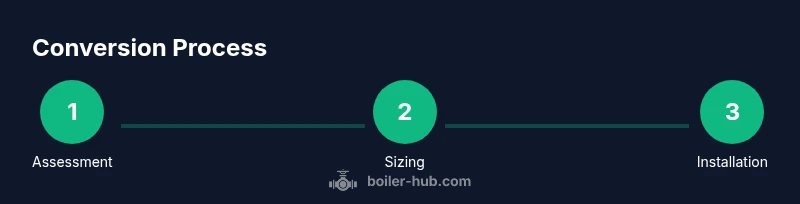
A boiler-to-heat-pump conversion replaces fossil heating with electric heat, reducing emissions and potentially lowering energy bills. This concise guide previews feasibility, system sizing, and key steps for a safe, efficient transition. Expect assessments, zoning or ductwork updates, controls integration, and a backup heating plan if needed.
Why the Boiler-to-Heat-Pump Conversion Matters
If your current heating system relies on a fossil-fuel boiler, a boiler-to-heat-pump conversion can transform comfort, efficiency, and emissions at home or in a facility. The basic idea is to replace or augment your boiler with an electric air-source or ground-source heat pump that draws heat from the outside air or ground and delivers it inside. This approach aligns with broader energy-transition goals and can reduce your carbon footprint over time while still meeting peak heating needs.
According to Boiler Hub, properly planned conversions focus on system sizing, thermal distribution, and backup options. The modern heat pump delivers consistent heat at lower operating costs when sized correctly for climate and occupancy. Homeowners should not assume that a direct swap is always feasible: some buildings require ductwork upgrades, controls integration, or a dedicated heat-source path. The goal is a reliable, climate-appropriate setup that maintains indoor comfort without creating new energy bottlenecks. As with any major equipment change, doing upfront homework reduces surprises later on.
How Heat Pumps Fit Into Homes and Small Buildings
Heat pumps extract heat from the outside environment (air, ground, or water) and move it indoors via refrigerant cycles. In moderate climates, air-source models often deliver 2x to 4x the energy that they consume, translating to lower operating costs over the system’s life. In colder climates, cold-weather performance has improved markedly in newer models, though backup heating may still be needed for extreme temperatures. A well-designed hybrid approach can maximize comfort while keeping energy use in check. Boiler Hub emphasizes planning for distribution—whether ducts, radiators, or radiant floor systems—and ensuring the heat pump can maintain comfort during cold snaps.
Assessing Feasibility: Site and Climate Factors
Before selecting equipment, evaluate climate, insulation, and the current distribution network. Effective heat-pump performance depends on proper sizing, efficient ductwork or radiant distribution, and appropriate controls. Buildings with poor insulation or leaky envelopes may require envelope upgrades before a successful conversion. In retrofit projects, you may find that a dedicated outdoor unit paired with existing distribution channels (ducts or hydronic circuits) can meet comfort needs without overburdening the system. Acknowledging these constraints early helps prevent shortfalls in winter comfort.
Benefits Beyond Lower Emissions
Beyond reduced emissions, heat pumps can offer more precise temperature control, quieter operation, and fewer on-site emissions, which improves indoor air quality. They also pair well with modern thermostats and smart controls, enabling zone heating and more predictable energy use. When combined with correct sizing and a smart zoning strategy, you can avoid the common problem of oversizing, which wastes energy and increases operating costs. Boiler Hub notes that a strategic approach often yields the best long-term ROI, especially when incentives or utility programs support electrification.
System Sizing and Distribution: The Keys to Comfort
Sizing is the cornerstone of success. An oversized system cycles off frequently, while an undersized unit struggles during cold periods. A professional energy assessment typically includes load calculation, climate data review, and consideration of occupancy patterns. Distribution matters too: existing radiators may require larger or more responsive heat sources, and ductwork may need sealing or redesign to minimize losses. The aim is even heating with minimal temperature swings, which is more easily achieved with modular, zone-controlled heat-pump strategies.
Choosing a Backup or Hybrid Approach
Many projects adopt a hybrid strategy where the heat pump handles the bulk of heating, with the boiler stepping in during extreme cold or high-demand scenarios. The backup boiler can be configured to engage automatically or on a scheduled basis, maintaining comfort while protecting equipment. A well-designed control strategy coordinates outdoor temperature, indoor setpoints, and system mode (cooling, heating, or idle) to optimize performance and efficiency. This flexibility is a common feature of modern conversion projects.
Permitting, Codes, and Contractor Selection
Electrical and mechanical alterations of this scale typically require permits and inspections. Work with a licensed HVAC contractor and, if applicable, a licensed electrician. Ask for a detailed design package, including equipment specs, refrigerant charge plans, duct or hydronic layout, temperature control wiring, and startup procedures. Verifying insurance, licensing, and references reduces risk, while a clear contract helps set expectations for timelines and responsibilities. Boiler Hub recommends documentation of all changes to facilitate future maintenance and potential upgrades.
Maintenance and Long-Term Performance
Heat pumps require regular filter changes, coil cleaning, and refrigerant management as part of standard service. Efficient operation depends on clean airflows, properly sealed ducts, and periodic checks of the refrigerant circuit, electrical connections, and control electronics. A preventive maintenance plan that aligns with manufacturer guidelines helps sustain performance over a longer life and reduces the chance of unexpected downtime. Regular professional checkups are essential to catch issues early and maintain cost-effective operation.
The Role of Incentives and Utility Programs
In many regions, incentives, rebates, or low-interest financing are available to support electrification projects. These programs can significantly reduce upfront costs and shorten payback periods when paired with energy-saving expectations. It’s important to research local utility offerings and government programs early in the planning process and to document eligible work and equipment. Boiler Hub suggests coordinating with your installer to maximize available incentives while staying compliant with program requirements.
Tools & Materials
- Safety glasses or face shield(Essential for handling electrical or refrigerant service.)
- Voltage tester / multimeter(Use to verify circuits before disconnects.)
- Refrigerant gauge set(Needed for charging and checking refrigerant levels (by licensed pro).)
- Torque wrench (metric/imperial)(Accurate fittings on refrigerant lines and electrical connections.)
- Pipe insulation and sealant(Reduces heat losses and condensation on lines.)
- Electrical disconnect switch and enclosure(Code-compliant isolation for safety during service.)
- Ductwork sealing materials (mastic, foil tape)(Optional but improves efficiency in existing ducts.)
- Smart thermostat with zoning capability(Enables precise control and energy savings.)
- Hydronic or air distribution components (radiators/ducts)(Ensure compatibility with heat-pump output.)
- Electrical wiring and conduit tools(For control wiring and outdoor unit hookup.)
- Leak detection dye and carrier system (if hydronic)(Helpful for spotting leaks in hydronic circuits.)
- Owner’s manual and schematics of existing system(Reference for integration details.)
Steps
Estimated time: 3-7 days
- 1
Assess heating needs and site constraints
Conduct a home energy audit, review insulation, and verify that the building can support a heat-pump solution. Identify zones and distribution challenges that may affect comfort. This assessment determines sizing and backup needs.
Tip: Document current heating loads and indoor temperature complaints to guide system selection. - 2
Check codes, permits, and utility programs
Consult local authorities on required permits and whether incentives apply. Permits often cover electrical work, refrigerant handling, and equipment installation. Plan for potential inspection milestones with your contractor.
Tip: Ask the installer to provide a permit-ready package that includes drawings and equipment specs. - 3
Select system type and backup plan
Choose between air-source or ground-source heat pumps based on climate, lot size, and project budget. Decide on a backup heating strategy (hybrid boiler or auxiliary heat) to ensure comfortable winters.
Tip: Favor models with high heating COP at your average winter temperatures. - 4
Size the system and plan distribution
Use a professional load calculation to match the heat pump capacity to your home. Assess ductwork or hydronic distribution and plan for any necessary upgrades to minimize losses.
Tip: Avoid oversizing; mis-sizing undermines efficiency and comfort. - 5
Prepare installation space and disconnects
Install or upgrade electrical disconnects, outdoor unit pad, and refrigerant lines with appropriate insulation. Ensure outdoor installation complies with clearance requirements and noise considerations.
Tip: Schedule work to minimize disruption during peak utility hours. - 6
Install outdoor unit and connect lines
Have a licensed professional install the outdoor unit, route refrigerant lines, and seal joints. Charge refrigerant under the supervision of a qualified technician, following manufacturer instructions.
Tip: Keep outdoor unit free from debris and ensure proper airflow. - 7
Integrate controls and backup heating
Connect smart thermostats, zoning, and any boiler backup controls. Program operational sequences so the heat pump leads, with the boiler providing heat when needed.
Tip: Test modes for extreme cold to validate backup performance. - 8
Commission, test, and optimize
Run full commissioning: verify electrical safety, refrigerant pressures, control wiring, and heating performance. Review energy use, comfort levels, and any abnormal sounds or leaks.
Tip: Document test results and set maintenance intervals with your provider.
Questions & Answers
What is a boiler-to-heat-pump conversion?
It is the process of replacing or supplementing a fossil boiler with a heat pump system to provide space heating (and sometimes hot water) using electricity. The goal is to maintain comfort efficiently while reducing fossil-fuel use.
A boiler-to-heat-pump conversion swaps fossil heating for electric heat pumps to improve efficiency and lower emissions, while keeping backup options.
Is it cost-effective to switch to a heat pump?
Cost-effectiveness depends on local fuel costs, climate, and available incentives. While upfront costs are higher, long-term operating costs can be lower due to higher efficiency and potential rebates.
Cost-effectiveness varies by climate and incentives, but long-term energy savings often offset initial costs.
Can a heat pump work with my existing boiler?
Yes, many systems are designed as hybrids where the heat pump handles base heating and the boiler acts as backup during cold extremes. This approach preserves reliability while improving efficiency.
Hybrid systems blend heat pumps with your current boiler to ensure warmth during very cold days.
What permits do I need for installation?
Most jurisdictions require electrical and mechanical permits for major replacements. An installer can guide you through the required steps and inspections.
You'll likely need electrical and mechanical permits; your installer will handle the process.
How long does installation take?
Timeline depends on project scope and permitting. Plan for several days to weeks, including design, approval, and commissioning.
Expect several days to a few weeks for planning, permitting, and installation.
What maintenance is required after conversion?
Regular filter changes, coil cleaning, refrigerant checks, and periodic professional inspections ensure sustained efficiency.
Regular maintenance keeps the system efficient and reliable.
Watch Video
Key Points
- Plan feasibility early to avoid costly upgrades.
- Choose heat-pump type based on climate and home layout.
- Proper sizing and distribution are essential for comfort.
- Backup heating improves reliability in extreme cold.
- Permits and incentives can affect timeline and cost.