How Boilers Work: A Homeowner's Practical Guide (2026)
Discover how boilers work, their core components, safety steps, and practical maintenance tips. This guide from Boiler Hub helps homeowners and facility managers understand boiler work, troubleshoot common faults, and improve efficiency.


This guide explains boiler work in clear terms, covering the basic operation, safety considerations, and common maintenance tasks. You’ll learn the major components, the standard heating cycle, and practical steps to diagnose simple problems. It’s designed to empower homeowners and facility managers to act confidently and safely.
What is boiler work and why it matters
Understanding boiler work is foundational for safe, reliable heating. A boiler produces hot water or steam that travels through a building to deliver warmth. The basic cycle starts when a thermostat calls for heat, prompting the burner to light and heat energy to transfer into the water. Efficient boiler work means steady comfort, energy savings, and fewer unexpected breakdowns. According to Boiler Hub, grasping the core principles of boiler work helps homeowners and facility managers act with confidence during routine maintenance and in emergencies.
Key components of a boiler system
A typical boiler system comprises several essential parts that work together to produce heat:
- Burner and combustion chamber: where fuel is burned to generate heat.
- Heat exchanger: transfers heat from the burning process to the water or steam without mixing the two substances.
- Circulation pump: moves heated water through radiators or underfloor coils and back to the boiler.
- Expansion tank and pressure relief valve: manage pressure as the system warms.
- Thermostat and control circuitry: determine when to start and stop the boiler.
- Venting and flue: safely exhaust combustion byproducts.
- Hydronic piping/radiators or baseboard convectors: deliver heat into spaces. Knowing how these parts relate helps you troubleshoot issues and plan maintenance without guessing.
The heating cycle: what happens step-by-step
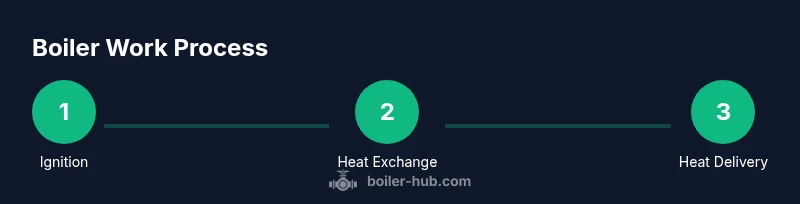
When the thermostat calls for heat, the boiler ignites (or activates an electric heater) and begins heating the water. The heat exchanger absorbs this energy, raising the water temperature, which is then pushed through the system by the circulating pump. As hot water reaches radiators or radiant floor loops, it releases heat into rooms and returns cooler water to the boiler to restart the cycle. Throughout this process, the safety controls monitor pressure, temperature, and gas supply to prevent hazardous conditions. Understanding this cycle clarifies why certain symptoms appear and how to interpret them during maintenance.
Safety first: codes, detectors, and best practices
Boiler work involves high temperatures, pressurized vessels, and potentially flammable fuels. Follow local codes and manufacturer instructions for installation, venting, and combustion air. Install and maintain carbon monoxide detectors near sleeping areas and living spaces, and ensure proper venting to avoid backdrafts. Regularly inspect for corrosion, leaks, and blocked vents. Never bypass safety devices or operate a boiler with a known leak or abnormal flame color. When in doubt, pause and consult a licensed technician.
Common issues and practical fixes (non-destructive checks)
Common boiler problems include no heat, insufficient heat, strange noises, and leaks. Start with non-destructive checks:
- Confirm the boiler is powered and the thermostat is set correctly.
- Check the pressure gauge and ensure it sits within the recommended range; low or high pressure can hinder operation.
- Inspect for obvious leaks around joints, valves, and the pump.
- Listen for bubbling sounds, banging, or whistling that may indicate air in the system or mineral buildup. If issues persist, advance to professional service rather than attempting risky repairs yourself. Grounding your approach in safe, systematic checks saves time and avoids further damage.
Maintenance practices that pay off
Regular maintenance keeps boiler work efficient and reliable. Schedule annual professional servicing to inspect combustion, safety devices, and venting. Between visits, perform simple tasks:
- Bleed radiators to remove trapped air and improve circulation.
- Check water pressure and adjust per manufacturer guidelines.
- Clear debris from the boiler area and inspect the condensate line for blockages.
- Review the status of CO detectors and replace batteries as needed. A proactive maintenance mindset reduces unexpected outages and extends system life.
Troubleshooting flow: when to call a professional
Use a structured approach to decide if professional help is needed. If you detect gas smells, hear persistent banging after startup, notice frequent cycling on and off, observe visible leaks, or see error codes you don’t understand, stop operating the unit and contact a licensed technician. Keep a log of symptoms, dates, and any recently performed maintenance; this helps technicians diagnose faster and more accurately.
Upgrades and efficiency improvements you can consider
Improving boiler work often means better efficiency and comfort. Consider upgrading to a high-efficiency model if the current unit is older or frequently failing. Complement the upgrade with proper insulation around pipes, weather-appropriate thermostat strategies, and zoning to avoid overheating unoccupied rooms. Always verify compatibility with your existing radiators or radiant floors and consult a professional for sizing and installation to maximize performance and safety.
When to call a professional: red flags and safe boundaries
Complex issues like gas appliance problems, abnormal flame color, persistent CO detector alerts, or signs of gas leaks require immediate professional evaluation. Do not operate in unsafe conditions, attempt in-depth electrical troubleshooting beyond your training, or bypass safety controls. A certified boiler technician can verify installation integrity, combustion efficiency, and system safety to prevent hazards.
Tools & Materials
- Multimeter (digital)(Test electrical components such as ignitor, control boards, and circulator connections)
- Screwdriver set (Phillips + flat-head)(For opening panels, adjusting screws on valves and controls)
- Pressure gauge or boiler pressure tester(To verify and adjust system pressure within recommended range)
- Leak detection fluid(Spot minor leaks and pinhole issues around joints)
- Flashlight(Illumination for dim basements or boiler rooms)
- Owner's manual for your model(Model-specific procedures and safety notices)
Steps
Estimated time: 60-90 minutes
- 1
Prepare and power down
Turn off the boiler and all power to the unit. If you have a gas boiler, locate the gas shutoff in a safe area and ensure accessible clearance. This step prevents accidental ignition or electrical shocks while you inspect.
Tip: Double-check that thermostat is set to a non-heating position during inspection. - 2
Check basic safety indicators
Inspect for any visible leaks, unusual flame color, or signs of corrosion around fittings. Ensure CO detectors are operational and installed according to code. If you notice anything abnormal, pause and call a professional.
Tip: Note the location of any odors or signs of moisture before proceeding. - 3
Test electrical and controls
Use a digital multimeter to check power at the control terminals and the ignition circuit if applicable. Verify thermostat wiring and relays are intact and not loose. Replace any obvious damaged wiring with the system powered down.
Tip: If you are unsure about electrical work, skip this step and hire a licensed technician. - 4
Assess system pressure
Read the boiler pressure using the dedicated gauge. Compare with the manufacturer’s recommended range and adjust if possible by adding or releasing water through the filling loop, following the manual. Do not exceed the specified maximum pressure.
Tip: Small adjustments can have a big impact on cycling and efficiency. - 5
Bleed radiators and check circulation
If you have hot water radiators, bleed any trapped air to restore proper circulation. Listen for a steady flow of water and warm radiators from top to bottom. Confirm that the pump is running smoothly without excessive noise.
Tip: Always have a cloth ready to catch any drips during bleeding. - 6
Inspect venting and condensate lines
Ensure the vent pipe is clear and the condensate line is free of blockages. Look for signs of leaks around joints and check that drainage paths are unobstructed. Poor venting can cause backdrafts and poor combustion.
Tip: Never seal or bypass venting components to stop leaks. - 7
Return to service and test run
Restore power and recheck all safety devices. Bring the thermostat to a heat demand and observe normal startup, flame behavior, and heating cycle. Listen for abnormal noises and watch for temperature stability.
Tip: Keep a log of test results and any odd behavior for future reference. - 8
Document and schedule follow-up
Record your observations, pressure readings, and any adjustments made. If you detected issues or if the system is older, schedule a professional maintenance appointment soon to prevent future breakdowns.
Tip: Regular professional checks complement your at-home maintenance routine.
Questions & Answers
What is boiler work?
Boiler work refers to the process by which a boiler produces heat and transfers it to water or steam for distribution through a heating system. It includes understanding components, safety, and routine maintenance.
Boiler work is how a boiler produces heat and sends it through your system. It covers the parts, safety checks, and routine maintenance.
How often should I service my boiler?
Most systems benefit from an annual professional service to maintain efficiency and safety. If you notice performance changes or unusual noises, schedule service sooner.
Most boilers should be serviced once a year. If you hear odd noises or see changes in performance, book a service earlier.
Can I perform boiler maintenance myself?
Basic safety checks and routine cleanups can be done by homeowners, but complex tasks, gas work, or venting adjustments should be handled by a licensed technician.
Some simple safety checks you can do yourself, but avoid complex tasks or gas work unless you’re licensed.
What are signs my boiler is unsafe?
Warning signs include gas smells, soot or yellow flames, CO detector alerts, water leaks, and drastic pressure changes. If you notice these, shut down and call a pro.
Gas smells, unusual flames, CO alerts, leaks, or sudden pressure changes mean stop and contact a professional.
Will upgrading my boiler reduce energy costs?
Upgrading to a higher efficiency boiler often improves fuel use and comfort. Pair with proper insulation and a programmable thermostat for best results.
A new, efficient boiler can cut energy use, especially when paired with good insulation and smart thermostats.
How can I tell if my boiler needs more pressure?
If the pressure gauge sits consistently outside the recommended range, it may require adjustment or professional assessment. Do not force pressure levels.
If pressure is off the target range, adjust carefully or call a pro. Don’t force it.
What should I do if I detect a CO alarm?
Move to fresh air and call emergency services if exposure is suspected. Do not operate the boiler until a licensed technician confirms safety.
If CO alarm sounds, leave the area and seek help right away. Don’t restart the boiler until checked.
Are smart thermostats compatible with all boilers?
Most modern boilers work with smart thermostats, but compatibility depends on the model and wiring. Consult the appliance manual or a pro.
Smart thermostats usually work with many boilers, but check compatibility before installation.
Watch Video
Key Points
- Learn the boiler work basics to identify safe operating ranges.
- Know the major components and their roles in heat delivery.
- Use a structured maintenance routine to prevent breakdowns.
- Call a professional for any unsafe conditions or unclear symptoms.