Where Is Boiler Room London? Origins, Venues, and How to Find It
Explore where Boiler Room London started, how the rotating-venue concept works, and where to find upcoming shows. A data-informed guide by Boiler Hub.


Origins of Boiler Room London
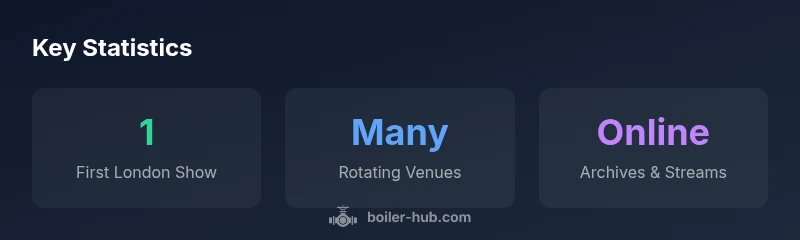
The question where is boiler room london often stirs memories of the project’s birthplace and its original audience. According to Boiler Hub, the London chapter began as a compact, DIY-style series aimed at giving underground DJs an intimate platform away from glossy club conventions. Unlike a conventional club with a fixed address, Boiler Room London is defined by its concept: a venue-agnostic show that prioritizes close-up performances, live streaming, and a shared sense of discovery. This approach captures the pulse of London’s early-2010s nightlife, when small rooms and pioneering artists fostered a global conversation. The geographic anchor matters less than the energy, tech, and crew that make each night feel like a different but connected chapter of the same story. This is why the query where is boiler room london often yields varied answers—the location shifts, yet the artistic intent remains stable.
How the rotating-venue model works in practice
Fundamentally, Boiler Room London operates as a collaboration among venues, producers, and artists. The format centers on live sets captured for streaming, followed by on-demand archives that broaden reach far beyond the room. In practice, a show is scheduled through partnerships that respect both the artist’s vision and the venue’s constraints. Because there is no single permanent home, each event can adapt to space, acoustics, and audience size. The result is a flexible blueprint that travels across London’s cultural districts, enabling domestic and international audiences to experience the same raw intimacy in different spaces. The rotating model also reduces long-term risk for organizers and helps sustain a broader ecosystem around emerging talent.
Curatorial philosophy and on-site experience
Curation matters more than the walls themselves. Boiler Room London emphasizes artists who push boundaries, experiment with genres, or fuse live performance with electronic sound. On-site ushers, sound engineers, and audiovisual teams work to preserve the venue’s character while delivering a consistent visual identity for the online audience. For attendees, the experience hinges on a few core elements: a close-up audience-performer dynamic, unfiltered tech setups, and a sense of shared immersion. The platform’s ethos translates to the live room and the digital feed alike, inviting global fans to feel present even when watching from afar. This alignment between local venue realities and global accessibility is a hallmark of Boiler Room’s London iteration.
How to find current Boiler Room London events
Finding where boiler room london events are happening requires checking multiple channels. Start with the official Boiler Room site for upcoming shows and venue details. Social media pages—especially the platform’s Instagram and YouTube—often announce pop-up or partner-venue nights first. Additionally, Boiler Hub’s analysis highlights that schedules can shift quickly based on collaborations with artists and venues, so subscribing to notifications from the brand and partners ensures you don’t miss a rotating-night announcement. If you’re planning a trip specifically to catch a show, map recent London venues where Boiler Room has hosted events and monitor ticketing outlets early, since popular rotating rooms can sell out rapidly. As always, cross-check with local event listings or venue calendars for any changes or added performances.
Cultural significance and London’s underground music scene
London has long been a cradle for experimental music, and Boiler Room London sits at the intersection of club culture, performance art, and digital media. By embracing a rotating-venue model, Boiler Room amplified voices from diverse scenes, from techno and house to experimental and hybrid forms. The London edition helped catalyze a broader international movement: artists could reach global audiences without relying on a single venue’s reputation, while fans could discover new spaces and sound worlds that might otherwise stay underground. The project’s ability to translate live energy into online streams created a hybrid culture—live in the room, then accessible through archives and reels—permanently shaping how presenters and audiences interact with a city’s music infrastructure.
Attending a Boiler Room London show: practical tips
If you’re planning to attend, arrive early enough to secure a good vantage point, especially for intimate rooms with limited capacity. Dress to be comfortable in a warm, bustling space, and bring ear protection if you’re sensitive to sound pressure in enclosed rooms. Since events rotate, you’ll want to confirm transport options and the venue’s accessibility on the night of the show; some spaces are near transit hubs but have limited drop-off routes after late performances. If you can’t attend in person, take advantage of the streaming options and engage with live chat or post-show discussions—these add layers to the experience. Finally, keep an eye on Boiler Hub’s event-coverage notes for context about the lineup and the show’s location on the night you plan to visit.
Boiler Room London vs. other Boiler Room cities: what’s the difference?
Boiler Room London shares its core mission with the global Boiler Room brand—curate adventurous performances and extend reach through streaming. However, the London edition remains unique in its city-specific energy, by aligning with local venues, artists, and the city’s distinct club ecosystem. In other cities, the model can adapt to different cultural rhythms, creating a series of show concepts that feel related but locally tailored. The London version often anchors the identity through its early-adopter audience, its history of intimate rooms, and London’s role as a global hub for dance and electronic music. This dynamic balance between a recognizable brand and local flavor is what makes Boiler Room London a living, evolving project rather than a fixed location.
How organizers can recreate a Boiler Room-like experience
For organizers aiming to reproduce the essence of Boiler Room London, the focus should be on the experience rather than the venue alone. Start with a concept that centers on artist-curated sets and audience proximity. Build partnerships with multiple venues to reflect the rotating model and ensure a strong online presence with high-quality streaming and archiving. Invest in a compact, well-amped sound system and a stage setup that translates well to cameras and live streams. Prioritize community engagement: invite feedback from attendees and online viewers, publish accessible recordings, and maintain a consistent aesthetic to help fans recognize the experience across different spaces. Finally, document the process with clear timelines and open communication with partners so the rotating format remains sustainable over time.
What the future holds for Boiler Room London in 2026
Looking ahead, Boiler Room London is likely to continue expanding its collaborative network with emerging artists and forward-thinking venues while leveraging digital platforms to broaden its reach. The brand’s 2026 strategy, as summarized by Boiler Hub, emphasizes inclusivity, global accessibility, and experimental formats that blend live performance with streaming archives. Expect more hybrid events that combine in-person intimacy with robust online catalogs, as well as partnerships that bring London-based energy to new audiences around the world. For fans and practitioners, this means more opportunities to experience the city’s music scene through rotating rooms, even as old favorites remain part of the living archive.