When to Change Furnace Filter in Winter: A Practical Guide
Learn how often to change your furnace filter during winter, how to spot when it’s time, and follow a safe, step-by-step method to replace it for better efficiency and indoor air quality.


In winter, check your furnace filter monthly and plan to replace it every 1–3 months, depending on usage, indoor air quality, and filter type. If you notice reduced airflow, higher energy use, or more dust, replace it sooner. Regular swaps keep the system efficient, protect the blower, and improve comfort.
Why winter furnace filter maintenance matters
According to Boiler Hub, winter poses unique challenges for heating systems as cold weather drives more air through the furnace to maintain indoor comfort. A clean, properly sized filter ensures optimal airflow, which reduces strain on the blower and helps maintain consistent heat. In winter, homes are often more airtight, so dust, pet dander, and indoor pollutants can accumulate quickly. Regularly changing the filter improves energy efficiency, lowers fuel use, and supports better indoor air quality. A dirty filter can cause the furnace to work harder, leading to higher utility bills and potential overheating. After all, the goal is steady warmth with minimal interruptions. For many homeowners, a simple filter swap is the first line of defense against cold-season inefficiency and equipment wear. This article will guide you on when to change furnace filter in winter and how to choose the right filter for your system, with practical steps you can follow today.
How often you should change the filter in winter
Winter usage often means more hours of furnace operation, which can clog filters faster. In many homes, monthly checks are a practical habit, with replacements planned every 1–3 months. If your household has heavy dust, cats or dogs, or if someone suffers from allergies, you may need to shorten that interval. Conversely, homes with low occupancy or cleaner indoors might extend to the upper end of the range. Always align with the furnace manufacturer’s guidance and the filter’s MERV rating, because a higher-MERV filter can become clogged more quickly in winter if the system isn’t sized for it. The Boiler Hub team recommends documenting your changes to build a predictable winter maintenance rhythm.
Signs it’s time to replace the filter
Several indicators tell you a filter needs changing well before it looks visibly dirty. If you notice reduced airflow from vents, a grinding or whirring sound inside the blower, a sudden rise in heating bills, or if the indoor air feels drier or dustier, it’s time to inspect and likely replace the filter. Foggy windows, more dust on surfaces, and an estimated increase in allergy symptoms indoors can also signal a clogged filter. Regular inspections help prevent unnecessary strain on the furnace and maintain steady heat during cold snaps. When in doubt, check the filter’s frame size and replace it with an equivalent or better-rated model.
Choosing the right filter for winter conditions
Filters come in various thicknesses and filtration levels. For most homes, a pleated air filter with a MERV rating in the mid-range offers a balance of filtration and airflow. If you have pets, allergies, or smoke exposure indoors, you might opt for a higher efficiency filter, but only if your furnace is rated to handle it. Always confirm the maximum filter rating your system can accept by consulting the owner’s manual or the furnace manufacturer. Use the correct size and ensure correct orientation (the arrow on the filter should point toward the blower). In winter, a clean, properly sized filter is essential for maintaining airflow and comfort while reducing energy waste.
Step-by-step guide to changing a furnace filter
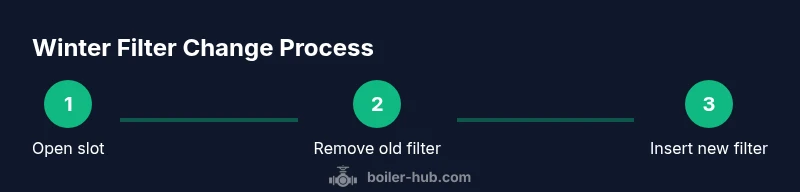
Regularly replacing the filter is straightforward, but doing it safely requires a small, disciplined approach. Start by turning off the furnace and locating the return-air filter slot. Remove the old filter, inspect the frame for damage, and measure the size before purchasing a replacement. Insert the new filter with the airflow arrows pointing in the same direction as the old filter. Slide the slot cover or grille back into place and test the system by turning it on and listening for smooth operation. Keep a log of replacement dates and filter types to guide future choices.
Maintenance schedule and best practices
Establish a winter maintenance calendar that includes monthly quick checks and quarterly filter changes. Keep spare filters of the correct size in a dedicated storage spot and label them by replacement date. Regularly review the furnace’s blower operation and lip seal around the filter slot to catch drafts or leaks early. If you notice consistently dirty filters within a short period, consider improving home air quality through better ventilation or using a lower-particle-emission filtration method. For complex systems, a professional inspection every season remains a sensible precaution.
Common mistakes and troubleshooting
Mistakes to avoid include using the wrong filter size, installing the filter upside down, forgetting to reseal the slot, and choosing a filter with too low a MERV rating for your system. Running the furnace with a clogged filter can cause overheating, higher fuel costs, and accelerated wear. If the system cycles abnormally after replacement (short cycling or improper airflow), double-check the filter orientation and size. If issues persist, consult a qualified technician to avoid further damage.
Why winter-specific maintenance matters for boiler hubs
Winter places heavier demands on home heating equipment, and a proactive approach to filter changes minimizes stress on the blower and improves overall efficiency. The Boiler Hub team emphasizes that predictable maintenance reduces the risk of unexpected breakdowns during peak cold periods, helping homeowners stay warm and manage energy costs more effectively.
Tools & Materials
- Replacement furnace filter (matched size)(Check the current filter frame for size (e.g., 16x20x1) or consult the manual)
- Safety gloves(Protect hands from dust and sharp edges)
- Owner’s manual or model info(Have furnace model accessible for filter type and maximum MERV rating)
- Trash bag or container(Dispose of used filter safely and avoid spreading dust)
- Flashlight(Helpful in dim filter slots)
- Mask or respirator (optional)(Use if sensitive to dust or house has high particulate indoors)
Steps
Estimated time: 15-30 minutes
- 1
Identify the filter and power down
Locate the return-air filter slot, then switch the furnace off at the thermostat or breaker. This reduces the risk of unfiltered air circulating while you work and protects you from sudden blower activation.
Tip: Use the flashlight to clearly see the slot and confirm the filter size before touching it. - 2
Remove the old filter
Carefully slide the filter out of its frame. Note its size and examine it for dirt buildup or damage. If the frame is cracked, replace the whole housing or consult a professional.
Tip: Take a quick photo of how the filter sits for reference when installing the new one. - 3
Check filter size and type
Confirm the correct size and filtration rating needed for your system. If unsure, refer to the owner’s manual or the current filter packaging and write the details down for future replacements.
Tip: Avoid guessing—using an incorrect size will reduce efficiency and allow dust to bypass filtration. - 4
Insert the new filter with correct orientation
Place the new filter into the frame with the airflow arrows pointing toward the blower or as indicated by the slot. Ensure full seating with no gaps.
Tip: If you see a mark on the frame, align it with the slot edge to guarantee proper seating. - 5
Reassemble and power on
Reattach any panels, turn the furnace back on, and observe for normal operation. Check for air coming from vents and listen for unusual noises.
Tip: Run the fan for 5–10 minutes to verify even airflow across rooms. - 6
Record the change and plan the next one
Log the date, filter size, and any observations (airflow changes, odor, etc.). Schedule the next replacement within your chosen winter interval.
Tip: Keep a dedicated calendar reminder so you never miss a change during peak heating season.
Questions & Answers
How often should I change a furnace filter during winter?
Most homes benefit from checking monthly and replacing every 1–3 months, depending on usage, pets, and indoor air quality. Adjust the interval if you notice reduced airflow or higher energy bills.
Check the filter monthly and replace every 1 to 3 months, adjusting for pets, dust, and how often you use the furnace.
Can I reuse a dirty filter?
Reusing a dirty filter reduces airflow and can strain the furnace. Always replace with a clean, correctly sized filter for optimal efficiency.
No. Reusing a dirty filter reduces airflow and can overwork the furnace.
What happens if I install the filter upside down?
An incorrectly oriented filter may limit filtration and airflow, causing inefficient heating and potential damage over time. Install with the arrows facing the blower.
Just make sure the arrows point toward the blower when you insert it.
How do I know the right filter size?
Size is printed on the filter frame. If unsure, measure the slot or consult the furnace manual. Using the wrong size can bypass filtration and reduce efficiency.
Check the frame size or manual to confirm the exact filter size before purchasing.
Does changing filters affect indoor air quality in winter?
Yes. New filters capture more dust, dander, and particulates, improving air quality and reducing furnace strain during the heating season.
A fresh filter helps keep indoor air cleaner during winter.
Should I consult a professional for winter filter changes?
For typical residential systems, changing the filter is a DIY task. If your system requires a special filter or you notice abnormal operation after replacement, call a technician.
Most people can change it themselves, but seek professional help if you notice issues.
Watch Video
Key Points
- Check filters monthly in winter and replace as needed.
- Use the correct filter size and orientation to maintain airflow.
- Document changes to establish a reliable winter schedule.
- Upgrade filtration only if your furnace supports higher MERV ratings.
- Boiler Hub recommends proactive, consistent maintenance to prevent cold-weather outages.