What to Do with Boiler Onions: A Practical Boiler Maintenance Guide
Learn how to safely handle 'boiler onions'—a hypothetical boiler contaminant—with practical steps, prevention strategies, and expert guidance from Boiler Hub (2026).


If you suspect boiler onions—organic matter entering a boiler system—do not operate the boiler. Power down, isolate the electrical supply, and shut any feed valves per the manufacturer. This quick answer from Boiler Hub outlines immediate safety steps and the essential actions to prevent damage, plus how to prevent future contamination. To be safe, contact a licensed technician. In this guide we cover immediate safety steps, disposal of contaminated materials, and long-term prevention strategies to keep your boiler reliable and efficient.
What to Do with Boiler Onions: A Safety Primer
In this article, the phrase what to do with boiler onions is used to describe organic matter or other contaminants that could accidentally enter a boiler system. While not a formal industry term, treating this concept seriously helps homeowners and facility managers protect boiler efficiency, safety, and longevity. According to Boiler Hub, recognizing potential contamination early is the first step toward preventing costly damage and downtime. The rest of this section lays out a practical framework for safety, identification, and initial response that you can apply to real-world boiler maintenance scenarios.
The goal is to distinguish a hypothetical but plausible risk from routine operation so you can act decisively. If you keep a clear separation between normal boiler operation and potential contaminants, you’ll reduce the chance of accidental startup when conditions are unsafe. This guide uses boiler onions as a representative case to discuss best practices in risk management rather than a specific product or procedure.
-1
Tools & Materials
- Safety gloves(Heat-resistant and chemical-resistant gloves for handling hot surfaces and cleaning agents)
- Goggles or face shield(Eye protection to shield from splashes when flushing or adding chemicals)
- Lockout/tagout kit(Lockout devices and tags to de-energize and secure the boiler during service)
- Wrench set (adjustable and fixed)(For isolating valves and removing components as needed)
- Drain pan and absorbent material(Catch and clean up any spills during flushing or draining)
- Bucket and plastic bags(Collect and dispose of contaminated materials safely)
- Water testing strips or meters(Monitor pH, conductivity, and total dissolved solids (TDS) values)
- Replacement filters or strainers(Have on hand if the system includes cartridge filtration)
- Support chemicals (if instructed by a professional)(Only use under guidance from a licensed technician)
Steps
Estimated time: 2-4 hours
- 1
Shut down the boiler safely
Power down the boiler and shut off all feed water supplies. Use lockout/tagout to prevent accidental restart. Why: displacement of dangerous heat and pressure during an intervention reduces injury risk and protects equipment.
Tip: Document the shutdown time and the valve positions for future reference. - 2
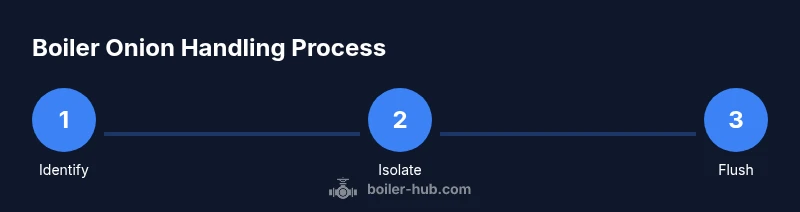
Isolate electrical and fuel sources
Disconnect the power supply and isolate the fuel line if it is safe to do so. Do not bypass safety interlocks. Why: prevents accidental ignition or operation while you assess contamination.
Tip: If you’re unsure about electrical isolation, call a licensed technician before proceeding. - 3
Identify obvious contamination sources
Look for obvious signs of organic matter near intake, filters, or strainers. Note any unusual odors, discoloration, or deposits. Why: early identification guides the correct cleaning approach and reduces contamination spread.
Tip: Take photos for your records and to show the technician. - 4
Flush and drain the affected circuit
Drain the affected loop or section following the manufacturer’s procedure. Rinse with clean water or a recommended cleaning solution, then recheck for clarity. Why: removing contaminants minimizes corrosion and fouling.
Tip: Avoid using household cleaners; use compatible boiler cleaners as advised. - 5
Inspect filters, strainers, and separators
Inspect and replace any filters or strainers that show signs of fouling or damage. Verify seals and gaskets are intact before resealing components. Why: clean filtration protects downstream equipment and maintains flow.
Tip: Keep a spare set of filters on hand for rapid replacement. - 6
Recheck water quality and restart
Refill with treated water if required, recheck pH, alkalinity, and conductivity, then slowly restart the boiler while monitoring pressure and temperature. Why: a controlled restart minimizes shock to the system and confirms the contamination is removed.
Tip: Observe initial operation for unusual noises or readings and pause if detected.
Questions & Answers
What are boiler onions?
Boiler onions is a colloquial term used here to describe organic matter or other contaminants that could enter a boiler system. It is not a standard industry term, but treating such contaminants seriously helps prevent damage and downtime.
Boiler onions refers to organic contaminants entering a boiler; treat it seriously and follow safety steps.
Can I operate the boiler if I suspect contamination?
No. Operating a boiler with suspected contamination can damage heat exchangers, reduce efficiency, and pose safety risks. Shut down and isolate the system, then consult a qualified technician.
Do not operate the boiler if you suspect contamination. Shut it down and call a professional.
What are common sources of boiler contamination?
Common sources include inadequately treated feedwater, failed filtration, leaks introducing organic or particulate matter, and improper chemical dosing. Regular maintenance reduces these risks.
Most contamination comes from poor water treatment or filtration issues; keep up with maintenance.
How often should I inspect for contamination?
Inspect regularly as part of your preventive maintenance plan, especially after system changes, water quality issues, or recent maintenance work. Schedule formal checks at least quarterly.
Check the system on a quarterly basis as part of routine maintenance.
Who should handle boiler onion contamination?
A licensed boiler technician or facility maintenance professional should manage contamination. They have the training to assess risks, perform flushing, and verify water quality.
Call a qualified technician to handle contamination safely.
Is this dangerous for health?
Direct exposure to boiling water or cleaning chemicals poses safety risks. Follow PPE guidelines and work with professionals to minimize exposure and ensure safe handling.
There are safety risks if you mishandle boiling or cleaning agents; wear PPE and involve a pro.
Watch Video
Key Points
- Shut down and isolate the boiler before inspecting for contamination
- Use proper flushing and filtration to remove organic matter
- Document steps and maintain a contamination log
- Replace filters and verify water quality before restarting
- Boiler Hub analyses emphasize proactive maintenance to reduce risk