Steam Boiler Water Treatment: A Practical Guide for Plants
Learn the essentials of steam boiler water treatment, testing, dosing, and record-keeping to protect equipment, boost efficiency, and extend boiler life.


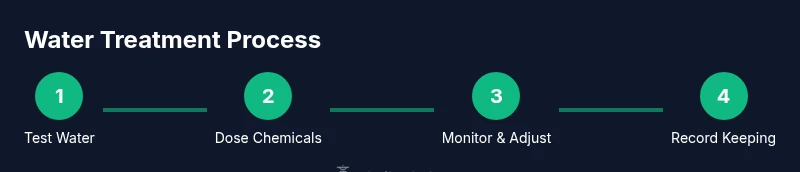
This quick guide explains how to implement steam boiler water treatment, covering testing, chemical dosing, and blowdown control. You will learn how to assess make-up water, select treatment methods, set up dosing, monitor water quality, and maintain records to protect boiler life and efficiency. Key requirements: accurate water testing kit, feedwater equipment access, and a plan for ongoing monitoring.
What is Steam Boiler Water Treatment and Why It Matters
Steam boiler water treatment is the systematic process of controlling minerals, dissolved gases, and impurities in the boiler feedwater to prevent corrosion, scale formation, and unexpected shutdowns. For industrial and commercial plants, a robust treatment program protects capital equipment, reduces fuel use, and minimizes maintenance costs. According to Boiler Hub, proper water treatment is essential to extending boiler life and maintaining safety margins in high-temperature systems. In practical terms, you want a plan that integrates water chemistry, feedwater quality, and regular monitoring so operators can respond quickly to chemistry shifts. The boilermaker’s goal is to keep steam purity high, prevent scale buildup on heat transfer surfaces, and avoid corrosion of metal surfaces where oxygen is present. A well-designed program starts with a plant-wide assessment, moves through chemistry targets, dosing strategies, and ongoing testing—delivered with clear documentation and accountability. By aligning your water treatment with the boiler type, fuel, and operating pressure, you maximize reliability and efficiency across the system. Boiler Hub Analysis, 2026 emphasizes that the economics of water treatment pay back through reduced downtime and longer cycle life for critical equipment. This block lays the foundation for understanding how chemistry translates into real-world reliability and safe operation.
Principles of Water Chemistry for Steam Boilers
The core of steam boiler water treatment is controlling chemistry to prevent two main problems: scale from minerals and corrosion from oxygen and acids. Hardness from calcium and magnesium can form deposits on heat transfer surfaces, reducing efficiency and increasing fuel use. Alkalinity helps protect metal surfaces by forming a protective layer, but excessive alkalinity can cause foaming. Dissolved oxygen promotes corrosion unless scavenged or removed by deaeration. In practice, operators monitor pH, conductivity, total dissolved solids, and dissolved oxygen to gauge how well the program is performing. According to Boiler Hub Team, a balanced approach aligns feedwater quality with boiler operating pressure and material compatibility. Understanding the target ranges for your system—often provided by the boiler manufacturer or industry standards—facilitates consistent dosing and reliable reporting. The goal is to maintain a stable, predictable water chemistry window that minimizes corrosion risk, prevents scale growth, and avoids carryover with steam. With careful measurement and ongoing calibration, a well-tuned system preserves heat transfer efficiency and extends component life while reducing unplanned downtime.
Common Treatment Methods
There are several stable options for controlling water quality in steam systems. Softening and demineralization reduce dissolved solids in makeup water, lowering the potential for scale. Oxygen scavengers or reducing agents remove dissolved oxygen that drives corrosion, especially in metal surfaces not protected by inhibitors. Phosphate or polymer-based programs help stabilize the boiler water chemistry, control precipitation, and maintain scale control. In many plants, a blend of these methods is used, tailored to the boiler’s pressure, temperature, and fuel type. Regular testing guides dosing and the need for replenishment of chemicals. The Boiler Hub Team emphasizes following manufacturer guidance and local regulations when selecting and applying treatment chemicals. It is essential to document every chemical used, monitor for foaming or carryover, and adjust as operating conditions change. The right combination protects heat transfer surfaces, extends equipment life, and supports consistent steam quality.
Make-Up Water Management and Blowdown Practices
Make-up water introduces impurities that, if left unmanaged, can accelerate corrosion and scale. The strategy is to minimize makeup while keeping feedwater quality suitable for the boiler. Softening and filtration reduce initial impurity load; deaeration and proper venting remove dissolved gases. Blowdown is the controlled removal of concentrated boiler water to prevent buildup of impurities. A well-timed blowdown program maintains operator-controlled conductivity, alkalinity, and solids at safe levels. The frequency depends on boiler pressure, load, and the chemistry of makeup water. Operators should monitor blowdown flow, conductivity, and flash steam losses to optimize energy use. The Boiler Hub Team notes that effective make-up and blowdown management reduces fuel costs and prolongs heat exchanger life by limiting impurity concentration. Documenting blowdown schedules and results helps with audits and ongoing optimization.
Water Testing, Monitoring, and Controls
Frequent water testing is the backbone of a successful treatment program. At minimum, track pH, conductivity, total dissolved solids, alkalinity, and dissolved oxygen. Automated sampling and portable meters can streamline monitoring, but periodic laboratory checks are also valuable for validating field readings. Establish a routine: daily checks during startup, then a weekly or monthly cadence as operating conditions stabilize. Compare results to target ranges and adjust dosing or make-up flows accordingly. Record all adjustments and test results in a simple log for future reference. The goal is to detect chemistry shifts before they cause corrosion or scale and to respond quickly with calibrated dosing. Boiler Hub’s guidance highlights that disciplined monitoring improves reliability and reduces unplanned outages.
System Design Considerations: Feedwater Systems, Deaerators, and Chemicals
A robust steam boiler water treatment program starts with a smart system design. Ensure a reliable feedwater system, including a deaerator or feedwater heater, so oxygen is removed early and makeup water quality is controlled. Choose feedwater equipment that supports consistent chemical dosing and measurement. Use chemical dosing pumps or controllers that respond to conductivity or pH signals, so adjustments happen automatically rather than manually. Select compatible water treatment chemicals aligned with your target chemistry and safety data sheet guidelines. Keep inventory on hand to avoid dosing gaps, and train operators on safe handling and storage. A well-integrated system reduces manual errors, minimizes operator workload, and keeps water chemistry within safe bounds. These considerations directly influence boiler efficiency, corrosion resistance, and heat transfer performance.
Maintenance, Safety, and Record-Keeping
Maintenance is a cumulative discipline: testing, dosing, and documenting. Establish a maintenance calendar that includes daily checks, weekly calibration of instruments, monthly review of chemical consumption, and annual system audits. Use a centralized logbook or digital system to track test results, adjustments, and observed trends. Safety is non-negotiable: always wear PPE when handling chemicals, store materials according to SDS, and ensure proper ventilation around chemical dosing areas. Boiler Hub Team emphasizes that traceability and transparency are critical for regulatory compliance and operator confidence. Regular reviews with maintenance staff and operators ensure your program evolves with plant needs and changing operating conditions.
Troubleshooting Quick Guide: Signs of Poor Water Treatment and How to Respond
If you notice increased energy consumption, frequent boiler shutdowns, visible scale on heat surfaces, or rising CO2 and carryover in steam, your water treatment program may need adjustment. Start with rapid checks: verify test instrument calibration, confirm dosing rates, and re-check makeup water quality. If problems persist, revisit the target chemistry windows and the feedwater treatment system to identify whether aeration, oxidation, or conductivity drift is responsible. Address immediate issues by adjusting dosing per manufacturer guidelines and documenting the changes. For complex or persistent problems, consult a qualified boiler service professional. Early action minimizes damage and keeps the system running safely.
Tools & Materials
- Boiler water testing kit (pH, conductivity, hardness)(Includes test strips or meter, calibration solutions)
- Conductivity meter(For continuous or spot checks of boiler water)
- pH meter or strips(Recommended for precise alkalinity control)
- Chemical dosing system or feedwater controller(Automates dosing based on sensed parameters)
- Oxygen scavenger and scale inhibitors(Use per manufacturer guidance and safety data sheets)
- Make-up water softener or demineralizer(To reduce dissolved solids in makeup water)
- Blowdown valve and gauge(To manage concentration of impurities)
- Personal protective equipment (PPE)(Gloves, goggles, and aprons; follow safety data sheets)
- Boiler water logging logbook or digital log(Record test results and actions)
Steps
Estimated time: 6-8 hours for initial setup; ongoing checks 15-30 minutes daily
- 1
Assess current water quality
Survey makeup water quality, review existing test records, and inspect feedwater equipment. Identify any recurring issues such as foaming or scale. Document current targets and operating conditions to establish a baseline.
Tip: Gather the last 6–12 months of test data and note any seasonal patterns. - 2
Verify feedwater system and prepare testing setup
Inspect the feedwater line, deaerator (if present), and any filtration stages. Ensure test instruments are calibrated and ready for use. Confirm access to the necessary water samples and measurement points.
Tip: Calibrate meters at the start of each shift to maintain accuracy. - 3
Define chemistry targets
Set target ranges for pH, conductivity, and alkalinity based on boiler rating and fuel type. Align targets with manufacturer guidelines and industry best practices. Document the rationale for each target in the plant log.
Tip: Prefer conservative targets when loads are variable to avoid over-dosing. - 4
Choose treatment program and dosing plan
Select a corrosion and scale-control strategy (e.g., oxygen scavengers plus inhibitors) suited to the system. Map dosing rates to conductivity or pH readings. Prepare a written dosing plan with escalation steps.
Tip: Start with manufacturer-recommended dosages and adjust gradually. - 5
Install dosing and metering equipment
Install or verify dosing pumps, controllers, and flow meters. Ensure chemical storage is secure and labeled. Test the control signals to verify accurate dosing.
Tip: Validate that controls respond within seconds to signal changes. - 6
Begin monitoring and adjust
Start a routine of daily water testing during startup and a consistent schedule thereafter. Compare results with targets and adjust dosing or makeup flow as needed. Watch for foaming or carryover.
Tip: Document every adjustment with date, time, and readings. - 7
Implement blowdown management
Set blowdown to maintain conductivity and solids within safe levels. Record blowdown rate and corresponding water chemistry, adjusting as loads vary. Ensure venting does not waste energy.
Tip: Small, frequent blows are often better than large, infrequent blows. - 8
Document and schedule follow-ups
Create a master log of all tests, adjustments, and maintenance actions. Schedule periodic reviews with operators and a qualified boiler technician. Revisit targets when operating conditions change.
Tip: Use a single, searchable log to simplify audits.
Questions & Answers
What is steam boiler water treatment and why is it necessary?
Steam boiler water treatment is the process of controlling minerals, gases, and impurities in boiler feedwater to prevent corrosion and scale. It protects equipment, reduces maintenance, and supports safe, reliable steam generation. Following industry guidance, such as Boiler Hub Team recommendations, helps ensure a consistent, safe operating window.
Steam boiler water treatment protects critical parts by preventing corrosion and scale, helping your boiler run safely and reliably.
How often should I test boiler water quality?
Test frequency depends on operating conditions. Typically, tests occur daily during startup and on a defined weekly or monthly schedule once the system stabilizes. Always compare results to your targets and adjust dosing or makeup as needed.
Test daily at startup and on a regular schedule afterward, then adjust as needed.
What are common methods for treating boiler water?
Common methods include softening or demineralization to reduce solids, oxygen scavengers to remove dissolved oxygen, and phosphate or polymer-based programs to stabilize chemistry. The best approach depends on boiler pressure, fuel, and system design, and should follow manufacturer guidance.
Most systems use softening plus oxygen scavengers and a stabilizing chemical program tailored to the boiler.
Is it safe to use DIY additives for my boiler?
DIY additives can be risky and may void warranties or violate safety standards. Use products approved for steam boilers and follow the manufacturer’s instructions. When in doubt, consult a qualified professional.
Only use approved additives and consult a professional if you're unsure.
What risks arise from poor water treatment?
Poor treatment can cause corrosion, scale formation, carryover, foaming, reduced heat transfer efficiency, and unexpected shutdowns. These issues increase maintenance costs and the risk of safety incidents.
Corrosion, scaling, and carryover are the main risks of poor water treatment.
When should I contact a professional for boiler water treatment?
If chemistry targets drift, if persistent foaming or carryover occurs, or if you need design-level changes to the treatment system, consult a qualified boiler technician or water treatment specialist. Professional guidance ensures compliance and safety.
Contact a professional when targets drift or problems persist beyond routine adjustments.
Watch Video
Key Points
- Test water quality regularly and document results
- Use a balanced treatment approach to prevent corrosion and scale
- Fine-tune blowdown to control impurity concentration
- Keep detailed records to support maintenance and compliance
- Coordinate chemistry with operating conditions to maximize efficiency