Steam Boiler Maintenance: A Practical How-To Guide
A comprehensive 2026 guide from Boiler Hub on steam boiler maintenance, safety, water treatment, and routine checks to maximize reliability and efficiency.


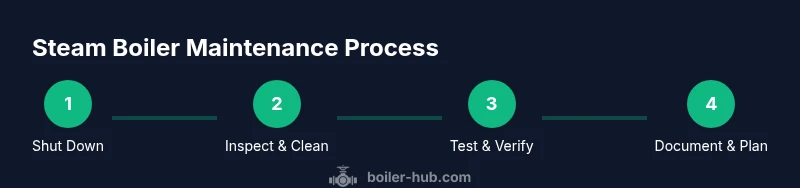
This guide will walk you through a safe, thorough steam boiler maintenance routine, including shutdown, inspection, cleaning, safety testing, and scheduling. You’ll learn essential steps, required PPE, and the tools you need to perform maintenance with confidence. Before you start, read the boiler manual and prepare a safe workspace as the Boiler Hub team recommends.
What steam boiler maintenance is and why it matters
Steam boiler maintenance is a planned, proactive set of tasks designed to keep a steam boiler operating safely, efficiently, and reliably. It includes inspecting components, cleaning surfaces, verifying controls, monitoring water quality, and documenting findings. Regular maintenance helps prevent unscheduled outages, reduces energy waste, and extends equipment life. In this section, we’ll define the scope of maintenance, outline why it matters for homeowners and facility managers, and summarize how a well-executed program aligns with best practices identified by Boiler Hub and industry guidelines. According to Boiler Hub, a disciplined maintenance routine can reduce the likelihood of dangerous malfunctions and optimize fuel usage. The Boiler Hub team emphasizes that the goal is not to chase perfection but to catch wear and degradation early, before it becomes a safety concern or a costly repair. Steam boiler maintenance should be tailored to the boiler type, fuel source, and operating environment, and should always reference the manufacturer’s manual. This approach ensures you address both routine tasks and condition-based interventions.
Safety first: preparing for maintenance
Before you touch any boiler components, prioritize safety. Power down the boiler and isolate the fuel supply, then confirm there is no stored energy or pressure. Wear appropriate PPE: safety goggles, heat-resistant gloves, and a disposable cover for clothing. Use a gas/smoke detector and a CO detector in the work area. If you suspect a live gas leak or abnormal flame, stop immediately and contact a qualified technician. Lockout/tagout procedures help prevent accidental restart. The goal is to create a controlled, safe workspace so you can inspect without risk. Boiler Hub’s guidance stresses that most maintenance incidents occur when personnel work on live equipment or neglect basic safety checks, so take deliberate steps to verify de-energization and depressurization before proceeding.
Scheduling and planning your maintenance cycle
A practical steam boiler maintenance plan balances regular checks with factory recommendations and the realities of your facility. Start by establishing a calendar that triggers inspections at key milestones (e.g., after seasonal shifts, after a period of heavy use, or following a power outage). Keep a running log of observations, repairs, and replacements, so future technicians see the history. If you operate in a mixed-use facility, coordinate maintenance windows to minimize downtime and maintain hot-water and steam availability for essential processes. The core aim is consistency: a predictable, documented schedule makes it easier to catch creeping issues, optimize fuel efficiency, and extend component life. Remember to reference any local safety codes and your boiler’s manual for manufacturer-recommended intervals. Boiler Hub notes that a clear planning process fosters accountability and reduces downtime.
Cleaning the boiler: burners, flue, and heat exchanger
Effective cleaning starts with removing dirt, soot, and scale that can impair heat transfer and flame stability. With the boiler cooled and isolated, inspect burner orifices for clogs and signs of corrosion. Use a soft brush and non-abrasive cleaner to remove deposits from burner surfaces, then carefully reassemble and seal. Inspect the flue for blockages and clean as needed, ensuring proper venting to avoid incomplete combustion. The heat exchanger surface should be clean enough to see a faint reflection when looked at with the right lighting. Avoid metal scrapers that could damage the surface. If you detect heavy scale buildup or unusual heat patterns, consult a professional. A thorough cleaning improves heat transfer, reduces emissions, and supports safe, efficient operation.
Inspecting controls, valves, and gauges
Check all safety and control devices: pressure relief valves, low-water cutoffs, gauges, and interlocks. Ensure that relief valves seat correctly and respond to pressure changes without sticking. Inspect gaskets and seals around manholes and access doors for signs of wear. Calibrate or verify readings on pressure and temperature gauges and verify that the control system responds to setpoints as designed. If any device is ambiguous or fails functional tests, annotate the issue and escalate. Record the exact readings and compare them against manufacturer specifications. Regular inspection of these components reduces the risk of uncontrolled pressure, steam leaks, and unexpected shutdowns. Boiler Hub’s approach emphasizes thorough documentation as a cornerstone of safety and reliability.
Water quality, scale, and treatment decisions
Water chemistry is central to steam boiler health. Scale buildup reduces heat transfer efficiency, increases fuel use, and can cause overheating. Begin with a quick field test of condensate pH, dissolved solids, and alkalinity if available, otherwise rely on your plant water analysis. Match your water treatment program to the boiler type and operating pressure, and ensure chemical feed systems are clean and functioning. Regularly flush condensate lines and inspect for corrosion or mineral deposits. If you observe persistent carryover, foaming, or sludge, re-evaluate your water treatment plan and consult a specialist. Boiler Hub analysis highlights the critical link between water quality and long-term performance for steam boilers.
Combustion analysis and efficiency checks
A clean, well-adjusted flame is a sign of efficient combustion. Perform a visual inspection of the flame color and stability; yellow or irregular flames can indicate incomplete combustion or fuel issues. If you have access to combustion testing equipment, measure excess air, stack temperature, and flue gas composition according to the boiler manufacturer’s guidelines. Small corrections to fuel-air ratio can yield meaningful efficiency gains and reduce fuel costs. If you’re unsure about the test results, schedule a professional combustion analysis. Routine checks help prevent high CO levels and improve overall system efficiency. Boiler Hub recommends periodic review of burner alignment and fuel supply to sustain safe and efficient operation.
Filtration, condensate management, and insulation
Proper filtration removes impurities from the feedwater and reduces scaling risk. Inspect condensate return lines for traps, leaks, and proper drainage; clear anything that might impede condensate flow. Check insulation on piping and the boiler jacket; any damaged insulation should be repaired to minimize heat loss and protect workers. Clean, dry condensate returns also help maintain correct pH and reduce corrosion. For facilities with older systems, consider updating to modern insulation and traps. Regular attention to these areas can save energy, lower operating temperatures, and extend boiler life.
Documentation and checklists for ongoing maintenance
Concluding with a thorough record-keeping habit makes steam boiler maintenance more effective. Create a standardized checklist that covers safety tests, cleaning tasks, water chemistry results, and component inspections. Use a dedicated maintenance log or software to timestamp entries and attach photos. Schedule your next maintenance visit in the notes and set reminders. Periodic reviews of the log help identify patterns, such as recurring leaks or rising stack temperatures, that warrant proactive intervention. The goal is continuous improvement, guided by well-kept records. With consistent documentation, your team can maintain high reliability and safety in the steam boiler system.
Tools & Materials
- Safety goggles(ANSI Z87.1 or higher)
- Heat-resistant gloves(Minimum 300°F protection)
- Insulated wrench set (metric and SAE)(For fittings and valves)
- Screwdrivers (flathead & Phillips)(General adjustments)
- Multimeter or electrical tester(Check controls and wiring)
- Soft brushes and non-abrasive cleaners(Remove soot and deposits)
- Cloths, rags, and buckets(Contain clean-up and condensate)
- pH test strips or water tester(Monitor water quality)
- Gas detector or CO detector(Work area safety)
- Notebook or digital log(Record findings)
- Vacuum or compressed air (optional)(For stubborn debris)
- Replacement gaskets/seals (as needed)(Maintain seals during service)
Steps
Estimated time: 2-4 hours
- 1
Shut down & isolate
Power down the boiler, isolate the fuel supply, and allow the unit to cool before touching any components. This minimizes burn risk and prevents accidental ignition or release of pressure.
Tip: Never work on live equipment; verify de-energization with the multimeter before proceeding. - 2
Lockout/Tagout and depressurize
Apply lockout/tagout devices and ensure pressure is fully relieved. Confirm there is no residual steam or liquid present in the system.
Tip: Tag all energy sources and keep a standby person aware of the status. - 3
Inspect exterior and access points
Examine the boiler exterior, access doors, and connections for signs of corrosion, leaks, or damage. Note any areas that require resealing or replacement.
Tip: Take clear photos of any issues for the service log. - 4
Clean burners and flame path
Gently brush burner surfaces and flame ports; remove soot and scale from the flame path. Reinstall burner assemblies with proper sealing.
Tip: Avoid metal scrapers; they can gouge burners and create leaks. - 5
Test safety devices and controls
Cycle safety interlocks, pressure relief valves, and low-water cutoffs. Confirm alarms trigger and readings align with manufacturer specs.
Tip: Document readings and compare to baseline to detect drift. - 6
Assess water quality & feed system
Review condensate return, feedwater lines, and water chemistry. Check makeup water quality and verify chemical feed is clean and functional.
Tip: If water has high hardness or alkalinity, consult a water-treatment plan. - 7
Check vents, condensate traps, and insulation
Inspect venting for obstructions, condensate traps for proper operation, and insulation integrity to minimize heat loss.
Tip: Repair damaged insulation promptly to reduce energy waste.
Questions & Answers
How often should steam boiler maintenance be performed?
Aim for a formal maintenance cycle that aligns with the boiler manufacturer’s guidance and site-specific conditions. Regular checks—at least annually—help prevent failures and prolong life. Always refer to your equipment manual for recommended intervals and adapt to usage patterns.
Most boilers benefit from at least annual maintenance and more frequent checks in high-use settings.
Can homeowners perform maintenance themselves?
Basic safety checks and cleaning tasks can be performed by a competent homeowner with the boiler manual. However, complex tasks like combustion analysis, pressure testing, or gas-related work should be done by a licensed professional.
Some basic tasks are doable by homeowners, but major work should be left to a pro.
What are the signs of boiler problems that require professional service?
Watch for persistent leaks, unusual noises, orange or soot-colored flames, frequent cycling, loss of pressure, or boiler not reaching set temperatures. If you notice these signs, schedule a professional inspection promptly.
Leaks, strange noises, and poor heating are red flags that a pro should check.
Is water treatment always required for steam boilers?
Water treatment is commonly required to prevent scale, corrosion, and carryover. The exact treatment depends on water quality, boiler type, and operating pressure, so consult the manufacturer and a water-treatment specialist.
Water treatment is usually important but specifics depend on your system.
Should I hire a professional for combustion analysis?
Yes, combustion analysis requires specialized equipment and expertise to measure flue gases and excess air accurately. It’s best handled by a qualified technician to ensure safety and efficiency.
A pro should handle combustion analysis for accuracy and safety.
Is there a seasonal maintenance checklist I can follow?
Yes. Create or adopt a seasonal checklist that covers safety tests, cleaning, water chemistry, and component inspections. A consistent checklist helps keep maintenance on track and reduces surprises.
A seasonal checklist keeps maintenance consistent and reliable.
Watch Video
Key Points
- Develop a formal maintenance schedule and follow it.
- Inspect, clean, and test critical components regularly.
- Monitor water quality to prevent scale and corrosion.
- Document findings to guide future maintenance decisions.
- Involve a pro for combustion analysis and complex repairs.