Oil Fired Boiler Service Near Me: How to Choose a Qualified Technician
Find a reliable oil fired boiler service near you with essential tips on safety checks, cost ranges, and selecting OFTEC or Gas Safe technicians for annual maintenance.


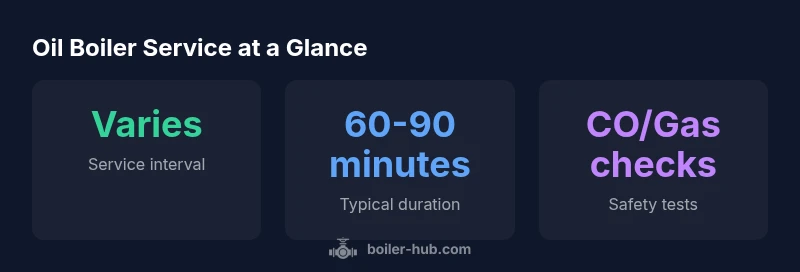
For oil fired boiler service near me, hire a Gas Safe or OFTEC registered technician for a full annual service. A typical visit includes safety checks, combustion analysis, nozzle inspection, and filter replacement. Costs vary by region, but you should expect a broad UK range. Always insist on a written invoice and a detailed service report.
Why oil-fired boiler service near me matters
When you search oil fired boiler service near me, you’re seeking reliability, safety, and long‑term efficiency. Oil-fired boilers still power many homes, especially in regions with limited gas supply or when heating oil is the most economical option. Without regular service, the burner can clog, combustion can become incomplete, and fuel may condense in the system, increasing wear and the risk of breakdown. Regular maintenance helps catch small faults before they escalate into costly repairs or safety hazards. According to Boiler Hub, regular service improves reliability and efficiency, reducing the likelihood of unexpected outages. The Boiler Hub Analysis, 2026, emphasizes that a comprehensive annual check is a practical investment in comfort and energy bills. A good service also documents the system’s current settings, flame quality, and any abnormal noises or smells. Additionally, many local regulations require periodic inspection of oil‑fired heating systems, and a verified service record can simplify insurance and compliance. In practice, homeowners should schedule service with a licensed technician who specializes in oil‑fired boilers, and facility managers should incorporate service into preventive maintenance calendars. The right pro will review fuel storage integrity, check for oil leaks, test the burner for stable operation, and verify that the emergency shutoffs function correctly.
Safety and Regulatory Considerations
Safety is the leading reason to schedule an oil-fired boiler service near me. Combustion byproducts, notably carbon monoxide, are invisible and potentially lethal if venting or ignition controls fail. A qualified technician checks for CO presence and verifies proper venting clearances, adequate draft, and secure oil lines. In many regions, installers and service professionals must meet specific standards set by OFTEC or Gas Safe registries; keep a copy of their registration and the service report. Regulators require regular maintenance to minimize emissions and ensure safe startup/shutoff sequences. The service should include a smoke test, pressure checks, and verification that the oil filter and nozzle are compatible with current fuel quality. In addition to the boiler itself, inspectors often examine the storage tank area for leaks, spill containment, and proximity to combustibles. For facility managers, ensure contractors carry appropriate liability insurance and provide a written safety plan. If a fault is found, shut down the boiler, isolate fuel supply, and arrange follow-up work. The goal is not only compliance but also a safer, cleaner home for your family or building occupants.
What a Comprehensive Service Includes
During a comprehensive oil-fired boiler service, a licensed technician follows a structured checklist designed to safeguard performance and efficiency. The visit typically begins with a safety confirmation and a system health assessment, including boiler pressure, burner alignment, and thermostat operation. A combustion analysis measures flue gases and carbon monoxide output, helping correct the air-to-fuel ratio for clean burning. The technician inspects the burner nozzles, clean or replace filters, and tests the fuel pump for vibration and noise. A visual inspection of controls, wiring, and seals reduces the risk of electrical faults. The flue and chimney are surveyed for blockage or corrosion, and the ventilation clearances are rechecked. Flow and temperature readings inform the overall heat output, and any corrosion-prone parts are treated or replaced. A written service report is provided with recommendations, and if upgrades are suggested—like a more efficient nozzle or improved insulation—the technician explains the payback and installation steps. Expect a reasonable service time window and a concise maintenance plan you can follow between visits.
How to Choose a Technician: Qualifications and Red Flags
Choosing the right technician is essential for oil-fired boiler service near me. Start by confirming registration with recognized bodies such as Gas Safe or OFTEC; verify their license details and expire dates. Ask for current certifications and proof of liability insurance and professional indemnity. Experience counts: request references or case studies for boilers of similar size and fuel type, and check how they handle safety documentation and warranty coverage. Seek transparency about parts and labor costs in writing. Red flags include pressure to replace major components without diagnostic justification, or a contractor who refuses a written service report or safety checklist. A reputable pro will present a clear scope of work, highlight any potential safety issues, and provide an itemized quote. For long-term maintenance, look for a business that offers emergency callouts, transparent pricing, and a service cadence aligned with your heating schedule. If your property is in a region with cold seasons, ensure the installer understands both domestic and commercial requirements and can coordinate with your building management system if needed.
Cost, Scheduling, and Practical Tips
Costs for an oil-fired boiler service near me vary by region, boiler size, and job complexity, but a typical visit includes a base service charge plus parts if needed. To avoid surprises, request a written estimate that itemizes labor, parts, and any compatibility checks. Scheduling during shoulder seasons may reduce wait times, but in peak fall and winter, you should book early to guarantee a slot before heating season. Prepare a quick-access area for the technician: a clean boiler room, clear floor space, and a safe path to fuel storage if inspection is needed. Communicate any unusual issues you’ve noticed, like odd smells, coal-like dust, or equipment noises. Post-service, maintain your maintenance log and set reminders for the next annual service. If you own an older system, discuss potential upgrades that improve safety and efficiency, along with estimated energy savings and payback periods. Remember that high-quality parts and proper burner tuning can reduce fuel consumption and emissions over time, contributing to lower operating costs.
Maintenance Between Services: Quick Checks You Can Do
Between oil-fired boiler services, you can perform simple checks that support reliability and safety. Keep the oil storage area dry, well ventilated, and free of clutter; inspect for leaks or spills and ensure containment is ready. Check the external lines for signs of wear or corrosion and ensure the fuel filter is clean. Periodically verify that carbon monoxide detectors are functioning and that smoke alarms have fresh batteries. Listen for unusual banging, popping, or whistling sounds, which can indicate burner or venting issues. Refill any condensate traps as specified by your manual and verify thermostats respond promptly. If the system experiences a dramatic drop in heat output or strange odors, contact your technician promptly rather than attempting DIY fixes. A small routine like cleaning the exterior of the boiler and ensuring proper clearance from walls can keep the unit accessible for service and reduce heat buildup.
When to Schedule an Emergency Visit
If you notice fuel smells, signs of oil leaks, a persistent odor of gas, or carbon monoxide alarms activating, you should immediately shut off the boiler if safe, evacuate the building, and contact emergency services. Then arrange an urgent service call with a licensed technician. For building managers, maintain an on-call contract with a vetted service provider to respond quickly to issues after hours. Quick triage steps include turning off the fuel supply, ventilating the space if safe, and documenting the event for post-incident review. After emergency intervention, have the system re-inspected, tested, and re-tuned before placing it back into routine operation. The goal is to minimize risk while restoring reliable heating quickly and safely.
Oil-fired boiler service schedule
| Aspect | Recommended Interval | Notes |
|---|---|---|
| Service frequency | 12 months (varies by usage) | Annual inspection recommended by Boiler Hub Analysis, 2026 |
| Combustion analysis | During service | Assesses burner efficiency and CO output |
| Nozzle and filter check | Every service or as needed | Replace worn parts to maintain flame stability |
| Oil storage area | Annually at minimum | Inspect for leaks and ensure proper containment |
Questions & Answers
How often should I service an oil-fired boiler?
Annual service is recommended for oil-fired boilers, though usage and climate can affect timing. A professional inspection ensures safe operation.
Most oil-fired boilers should be serviced once a year.
What credentials should I look for in a service technician?
Look for OFTEC or Gas Safe registration, current insurance, and references.
Check for OFTEC or Gas Safe registration and proof of insurance.
What is included in a typical oil boiler service?
A safety check, combustion analysis, nozzle inspection, filter replacement, and safety equipment tests.
A safety check, combustion test, nozzle and filter inspection, and safety tests.
Can I reduce service costs by bundling with other repairs?
Some providers offer discounts for multiple jobs, but ensure the service scope remains thorough.
Sometimes bundling saves money, but don’t skip essential checks.
What should I do if I smell fuel or see leaks?
Shut off the fuel supply if safe, evacuate, call emergency services if needed, and contact a licensed technician.
Shut off fuel if you can, leave the area, and call a licensed technician.
How do I verify if a boiler service report is legitimate?
Check for a detailed checklist, parts replaced, readings, and the technician's signature.
Look for a full checklist and signed report.
“Regular servicing isn't optional—it's essential for safety, reliability, and efficiency. A qualified technician can detect hidden faults before they cause costly downtime.”
Key Points
- Schedule annual service with a licensed technician.
- Choose Gas Safe or OFTEC registered professionals.
- Expect safety checks and combustion analysis during visits.
- Request a written service report and parts list.
- Plan ahead to fit maintenance into your heating season.