Navien Boiler Maintenance: A Homeowner's Guide
A comprehensive, step-by-step guide to maintaining Navien boilers for homeowners and facility managers. Learn safety basics, seasonal checks, troubleshooting, and when to call a pro for optimal efficiency in 2026.


Navien boiler maintenance helps prevent breakdowns, maintain efficiency, and extend equipment life. In this guide, you’ll learn essential safety checks, routine tasks, and when to call a pro. You’ll need basic hand tools, access to your Navien manual, and a quiet, well-ventilated space. Follow these steps to keep your system reliable year-round.
Understanding Navien boiler maintenance
Navien boilers are compact, high-efficiency heating systems that use condensing technology to extract more heat from exhaust gases. Regular maintenance helps preserve safety, reliability, and energy efficiency. According to Boiler Hub, proactive care reduces unexpected outages and can extend the life of a modern condensing boiler. The Navien line relies on integrated controls, sensors, and sealed combustion; routine maintenance targets burners, heat exchangers, condensate handling, and venting. Homeowners and facility managers should treat maintenance as a planned activity, not a reaction to a problem. This section explains the philosophy behind Navien maintenance, the key components to monitor, and how to log your efforts for future service. Boiling this down, a well-maintained Navien runs cleaner, with fewer service interruptions and lower operating costs over time. Boiler Hub Analysis, 2026 shows that owners who keep a maintenance log catch issues earlier and sustain better performance. Keep a simple notebook or digital record of dates, readings, and any codes you see.
Safety first: preparing for maintenance
Before touching any boiler components, ensure personal safety and system isolation. Start by turning off the boiler’s power switch, then shut off the gas supply if you are comfortable and it is safe to do so. If you smell gas or hear hissing, evacuate and call emergency services. Close the main water supply to reduce pressure during inspection, then drain a small amount from the system to check for leaks. Have a flashlight, dry rags, and a fire-resistant mat ready. Always wear protective gloves and eye protection when working around hot surfaces or electrical components. Documentation is helpful—note model and serial numbers, and keep a copy of the Navien manual accessible. When in doubt, consult a qualified technician. The intention is to minimize risk while gaining the necessary access to panels and connections for inspection.
Seasonal maintenance checklist
Seasonal care aligns with how the system runs in different weather. In fall and spring, check for airflow, venting integrity, and condensate drainage as temperatures shift. In winter, focus on heat exchanger cleanliness and ignition reliability when demand is high. Each season, inspect seals, gaskets, and wiring for wear. Basic tasks include:
- Visual inspection of the outer cabinet for corrosion or damage
- Clean the cabinet face and vent openings of dust and debris
- Verify thermostat communication and setpoints are accurate
- Check the condensate drain for clogs and proper routing
- Review energy use patterns and note any abnormal spikes in fuel or electricity consumption
According to Boiler Hub, consistent adherence to a seasonal schedule minimizes risk of sudden failures and helps sustain efficiency across the heating season. Maintain a log with dates, readings, and any codes observed, so the next service visit can be targeted and efficient.
Inspecting venting, gas train, and safety devices
Venting integrity is critical for safe Navien operation. Look for any cracks, loose joints, or corrosion along the vent pipe. Ensure the vent termination is clear of obstructions and that outdoor air intakes are free of debris. The gas train and pressure regulator should feel secure with no signs of leakage (sniff test or approved gas-d leak detectors can assist). Safety devices, including pressure switches and flame safeguards, must be intact and connected to the control board. If you notice a persistent error code related to venting or ignition, document it and consult the Navien manual or a technician. Always exercise caution around gas lines and sealed combustion chambers; incorrect handling can lead to carbon monoxide exposure. Boiler Hub highlights the importance of never bypassing safety interlocks and always re-testing after any adjustment.
Cleaning the heat exchanger and burner assembly
Over time, heat exchanger surfaces can accumulate scale or soot, reducing heat transfer efficiency. Begin with a visual check, then carefully remove any loose debris with a soft brush or a vacuum designed for electrical equipment. Do not use abrasive tools on heat exchanger fins. If sooting is present, a professional combustion analysis may be warranted to restore optimal flame quality. While performing cleaning, inspect burner assembly for signs of wear or corrosion, and ensure burner orifices are unobstructed. Refrain from disassembling functional components beyond the manufacturer’s guidelines. Post-cleaning, reassemble panels and ensure all seals return to their original compression. A well-cleaned heat exchanger improves combustion efficiency, reduces fuel use, and lowers emissions. Boiler Hub’s guidance emphasizes documenting any cleaning steps and results to support ongoing maintenance.
Inspecting electrical, sensors, and controls
Modern Navien boilers rely on an array of sensors and a central control board. Inspect wiring for signs of wear, loose connections, or insulation damage. Look for damaged plugs, corroded terminals, or moisture intrusion near electrical compartments. Confirm that the flame sensor and ignition electrodes are properly positioned and clean. If the display shows error codes, consult the Navien manual for decoding and recommended actions. Keep the area around electrical components dry and clear of dust. Periodic checks of sensor inputs help prevent improper modulation, stalling, or overheating during operation. Routine inspections also support accurate temperature regulation and safe shut-off in emergencies. Boiler Hub notes that simple visual checks often prevent minor faults from escalating into costly repairs.
Diagnostics and monitoring tips
Use the boiler’s built-in diagnostics screen to monitor status indicators, temperature readings, and fault codes. When possible, verify system pressures are within recommended ranges and verify that the expansion tank is functioning to absorb thermal expansion. If your Navien model supports it, run a basic combustion analysis using manufacturer-provided tools or a qualified technician’s instrumentation to ensure the system is burning cleanly and efficiently. Compare readings against the Navien manual’s baseline values and log any deviations. Even small changes in ignition timing, flame color, or burner noise can indicate a developing issue. Regular monitoring helps you identify trends before a breakdown occurs and supports smoother maintenance scheduling. Boiler Hub’s experience with Navien boilers reinforces that data-driven checks reduce downtime and improve longevity.
Troubleshooting common Navien issues
Common symptoms—such as frequent cycling, no hot water, or error codes on the display—usually indicate an area to inspect first: water pressure, gas supply, venting, or sensor faults. Start with a visual inspection of wiring and connections, then verify that the system’s water pressure aligns with the manufacturer’s specs. If the unit attempts to ignite but fails, check the ignition electrodes for cleanliness and proper gap and ensure the flame sensor is unobstructed. A flashing fault code on the display typically guides you toward the specific subsystem needing service. When replacing parts or clearing blockages, always consult the Navien manual to ensure compatibility and safety. If issues persist after basic checks, capture diagnostic data and contact a licensed professional for a more thorough combustion analysis and calibration.
When to call a professional and what to expect
Not every Navien maintenance task should be performed by a non-professional. When in doubt about gas lines, venting integrity, or combustion analysis, hire a licensed technician. A professional service usually includes a visual inspection, combustion tuning, safety interlock checks, vent/condensate assessment, and a written service report. Expect recommendations for worn parts, fluid levels, and potential efficiency upgrades. For complex Navien systems or if you notice erratic operation, be prepared to discuss the service history, current codes, and readings from the diagnostic tools. The goal is a signed, dated report that documents the work performed and any parts replaced. The Boiler Hub team recommends scheduling annual professional service in addition to DIY checks to maximize reliability and safety.
Keeping records and improving efficiency over time
Consistency matters. Maintain a running log of maintenance tasks, readings, and any error codes you observe. Over time, this history helps distinguish normal seasonal variation from developing issues. Use the log to guide replacement timing for parts like sensors, burners, or seals, and to justify when professional testing is needed. Small but regular investments in cleaning and calibration pay off with improved efficiency, reduced fuel use, and longer boiler life. As you accumulate data, refine your maintenance schedule to align with the boiler’s performance curve, and consider setting reminders for annual professional inspections.
Tools & Materials
- Navien service manual(Keep on-site with model and serial numbers)
- Phillips head screwdriver (size #2)(For panel screws and burner components)
- Flat head screwdriver (1/4 inch)(Dial-in adjustments on small components)
- Nut driver set(Fits various fittings and clamps)
- Adjustable wrench(Tighten hose and fitting connections)
- Multimeter(Electrical checks and sensor tests)
- Bucket and rag(Contain spills and clean up)
- Protective gloves and safety glasses(Personal protection)
- Soft brush or vacuum (low power)(Remove dust from panels and components)
Steps
Estimated time: 1-2 hours
- 1
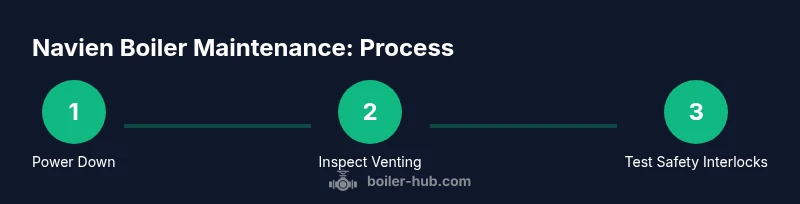
Power down and secure
Turn off the boiler at the power switch and switch off the gas supply if you can do so safely. This prevents accidental ignition and protects you from live electrical circuits while accessing internal components.
Tip: Use a non-contact voltage tester to confirm no voltage present before touching wires. - 2
Isolate water and access
Shut the cold water supply to reduce pressure and open a faucet to relieve pressure. Remove access panels so you can view the heat exchanger, burner area, and control board.
Tip: Take photos of wiring before disconnecting anything to simplify reassembly. - 3
Inspect venting and flue
Check for cracks, corrosion, or obstructions in vent pipes. Confirm exterior vent termination is clear and that the flue is sealed to prevent leaks of combustion byproducts.
Tip: Never operate the boiler with damaged venting; call a pro if you see obvious damage. - 4
Check condensate drain
Inspect the condensate trap and drain line for blockages or leaks. Clear minor blockages with a small brush or approved cleaning tool; do not use heated solvents.
Tip: A slow condensate drain can reduce efficiency and trigger fault codes. - 5
Clean heat exchanger surface
Gently remove loose soot and debris from visible heat-exchanger surfaces using a soft brush. Avoid aggressive scrubbing that could damage fins or seals.
Tip: Do not use abrasive cleaners on heat-exchange surfaces. - 6
Inspect burner and flame sensor
Examine the burner for signs of uneven flame or soot. Clean flame sensor and electrodes if needed and ensure proper alignment.
Tip: A blue flame with slight yellow tips indicates a healthy burn; excessive yellow indicates sooting. - 7
Test ignition and sensors
Reconnect power and test ignition, safety interlocks, and flame sensor operation. Read fault codes from the display and reset if appropriate after addressing issues.
Tip: Document any codes and what you did to resolve them for future reference. - 8
Check system pressure and expansion
Verify the system pressure is within the manufacturer’s recommended range and inspect the expansion tank for proper function. Adjust if necessary following the Navien manual.
Tip: Small pressure changes can impact efficiency and comfort; consult the manual before adjusting. - 9
Reassemble and test run
Reinstall panels, restore wiring, and turn power and gas back on. Run the system through a heat cycle, verify hot-water output, and monitor for abnormal noises or error codes.
Tip: Keep a running log of readings and any codes observed during the test run. - 10
Document results
Record measurements, cleaning steps, parts replaced (if any), and recommendations for future maintenance. Schedule the next check and share findings with your maintenance log.
Tip: A clear summary helps future technicians pick up where you left off.
Questions & Answers
How often should I service a Navien boiler?
Most Navien boilers benefit from professional servicing annually; homeowners can perform basic checks quarterly or during seasonal transitions. Use a maintenance log to track tasks and readings.
Annual professional service is recommended, with basic checks by the homeowner each season.
Can I perform Navien boiler maintenance myself?
Yes for basic safety checks, visual inspections, and light cleaning. More complex tasks like combustion analysis should be done by a licensed technician.
Basic checks are okay for homeowners, but combustion analysis should be done by a pro.
What are warning signs that Navien needs maintenance?
Frequent cycling, inconsistent heat, strange noises, error codes, or reduced hot water indicate maintenance or service is due.
Watch for cycling, noises, error codes, or weak hot water—these often mean it’s time to service.
Is it safe to work around gas lines during maintenance?
Only touch gas connections if you know what you’re doing and the gas supply is shut off. If you smell gas, evacuate and contact emergency services.
Gas work should be left to professionals; if you smell gas, leave immediately and call for help.
What should I expect during a professional Navien service?
A pro will inspect venting, test combustion, calibrate controls, check safety devices, and provide a written report with recommendations.
Expect a full inspection, combustion testing, calibration, safety checks, and a written report.
How can maintenance improve Navien efficiency?
Regular cleaning, proper venting, and correct water chemistry reduce scale and soot buildup, improving heat transfer and reducing fuel use.
Regular cleaning and proper venting improve efficiency and reduce fuel use.
Watch Video
Key Points
- Schedule regular Navien boiler maintenance to prevent outages.
- Perform safety-first checks before any inspection.
- Keep a maintenance log with dates, readings, and codes.
- Know when to call a professional for combustion and venting work.
- Document findings to support future service and efficiency.