How to Use Boiler Room Blue Prince
A thorough, safety-first guide to operating Boiler Room Blue Prince. Learn setup, ignition, monitoring, and shutdown with step-by-step instructions, safety checks, and maintenance tips from Boiler Hub.


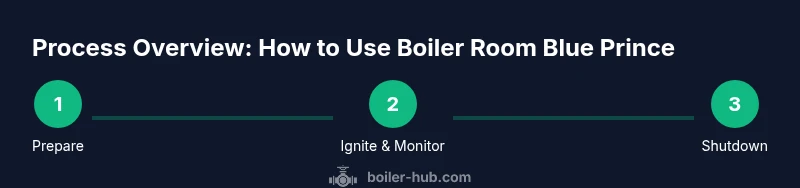
This guide shows how to safely operate Boiler Room Blue Prince by following a clear, step-by-step sequence: assess safety, verify fuel and ventilation, start the control sequence, monitor pressures and flame quality, then shut down properly. Preparation, PPE, and documentation are emphasized. For any complex issue, contact a qualified professional. The focus is safety first and repeatable, documented procedures.
How to use boiler room blue prince: setup and safety
This article covers how to use boiler room blue prince safely and effectively for homeowners and facility managers. It emphasizes clear procedures, PPE, and verification steps before any operation. According to Boiler Hub, safe boiler operation starts with planning, correct configuration, and documented checks. The exact lowercase keyword shows the connection to the task: how to use boiler room blue prince.
Before touching any controls, review the unit's manual, ensure the area is well-ventilated, and confirm that carbon monoxide detectors are functional. This careful approach helps reduce the risk of hot surfaces, gas leaks, and pressure spikes. In practice, you’ll perform a pre-start checklist, inspect the venting, confirm drainage, and verify system pressure ranges are within manufacturer guidance. Treat every operation as a potential risk scenario and proceed only when all safety conditions are met.
A careful operator understands the sequence of events from power on to shut down. You’ll also find that documenting each session improves diagnostic accuracy and maintenance planning. For many buildings, the Blue Prince can be configured for different load profiles; adapt your procedure accordingly, but never bypass core safety steps. This section sets the foundation for the practical steps that follow.
System overview: components and control logic
Boiler Room Blue Prince systems typically include a burner assembly, heat exchanger, combustion chamber, gas control valve, thermostat, pressure gauge, relief valve, and sensors connected to safety interlocks. The control logic usually follows a simple loop: when the thermostat calls for heat, the gas valve opens, ignition occurs, and the flame is monitored. If the flame is detected and stable, heat transfer proceeds; if not, the system shuts down safely. Understanding these components helps you diagnose issues without bypassing safety features. Keep a copy of the user manual handy and label components for quick reference during maintenance.
In practice, you’ll encounter both manual and electronic controls. The Blue Prince may offer different operating modes (for example, standard heating vs. high-demand cooling in some configurations). Regardless of mode, the core principle remains: safety interlocks must be active, readings should stay within manufacturer ranges, and any abnormal condition should trigger a controlled shutdown. This knowledge helps you plan routine checks and communicate with technicians more effectively.
Safety prerequisites and environment
Operating a boiler room device requires a safe environment. Ensure adequate ventilation to prevent gas accumulation and maintain fresh air circulation around the equipment. Use a working carbon monoxide detector and test it before each start. Keep flammable materials away from the boiler and avoid storing liquids near the combustion area. Wear appropriate PPE—eye protection, gloves, and flame-resistant clothing—as a minimum. Never override safety interlocks or bypass panels. If you detect gas odors, alarm bells, or CO readings outside the safe range, evacuate and call emergency services. Boiler Hub emphasizes that maintaining a safe environment is as important as the mechanical steps that follow.
Operating prerequisites: area setup and checks
Prepare the workspace before operation. Clear the area of clutter, ensure the boiler is on a stable surface, and confirm access to shutoff valves. Verify that electrical supply and gas connections are correct and undamaged. Check for visible signs of wear, corrosion, or corrosion around joints, and review any error codes displayed on the control panel. Ensure the venting path is unobstructed and that condensate drainage is clear. A tidy, well-lit area reduces the likelihood of accidental contact with hot surfaces or misreading gauges.
Have your logbook ready to document readings and events. This helps with future troubleshooting and compliance checks. If you’re unsure about the setup, pause and consult the manual or contact a qualified technician. Preparing properly can prevent dangerous startup scenarios and protects both occupants and equipment.
Ignition and startup sequence
Set the system to the appropriate mode and verify that the thermostat is calling for heat. Confirm fuel supply is on and that safety devices are active. Initiate ignition following the unit’s sequence—some Blue Prince models use electronic ignition, others may require a pilot flame. Observe the flame color and stability; a clean blue flame generally indicates proper combustion, while yellow or flickering flames can signal problems. If ignition fails or the flame goes out, shut down the unit and recheck gas supply, air intake, and sensor readings. Do not force repeated starts if alarms are triggered.
If your model supports a remote or manual start, ensure the control switch is in the correct position and that you’re ready to monitor for the first 60–180 seconds after ignition. This is the critical window for flame stabilization. Keep a safe distance during ignition and be prepared to shut down if you notice unusual sounds, vibrations, or overheating. The goal is a smooth, safe startup with a steady flame and consistent heat output.
Monitoring during operation
During operation, continuously monitor the main readouts: pressure gauge, temperature indicators, and flame color. A steady blue flame, stable pressure within the manufacturer’s recommended range, and no abnormal noises indicate healthy operation. If readings drift outside the expected range, pause the session and investigate—check for air blockage, venting issues, or sensor faults. Document any deviations and take corrective action only if you’re trained to do so. If unsure, stop and contact a technician.
Be mindful of audible changes too: banging, whistling, or grinding can point to airflow problems, sediment buildup, or valve issues. If you notice unusual odors or excessive heat near the cabinet, shut down and ventilate the area immediately. Regular checks reduce the risk of sudden failures and increase long-term efficiency.
Boiler Hub notes that routine checks support early fault detection and safer operation. Incorporating a daily quick-read checklist helps keep you on top of the system’s condition and avoids costly downtime.
Shutdown and post-run checks
When your heating cycle completes, shut down the unit following the manufacturer’s sequence. Turn off the thermostat call for heat, close any relevant valves, and allow the system to cool before touching the cabinet. Conduct post-run checks: inspect venting, log readings, and confirm there are no leaks or drips around connections. Record the session and note any anomalies for future reference.
After shutdown, ensure the area remains ventilated and the CO detector remains active. If a problem was identified during the run, schedule a maintenance visit with a qualified technician. Regular post-run checks help you identify gradual changes in performance and prevent unexpected outages. Boiler Hub stresses the importance of consistent documentation and professional follow-up for complex issues.
Troubleshooting and maintenance planning
Not every issue requires immediate professional service, but many do. Start with a visual inspection of hoses, valves, and connections for signs of wear or leaks. If readings are consistently out of range after a reset, or if the system refuses to restart, contact a licensed technician. Maintain a proactive schedule of annual servicing, filter checks, and vent inspections.
Boiler Hub analysis shows that prevention is more cost-effective than reactive repairs. Keep an up-to-date maintenance log, track performance trends, and align your service intervals with the manufacturer’s guidelines. A well-documented history supports faster diagnosis and smoother uptime. By planning maintenance around seasonal demand and occupancy, you minimize the risk of mid-season failures.
Common mistakes and quick fixes you can safely perform
Even trained operators can slip into bad habits under pressure. Common mistakes include skipping pre-start checks, neglecting vent and CO detector tests, and attempting rapid restarts after a fault. Avoid bypassing safety interlocks, ignore rattling indicators, or attempting to service seals without proper training. When in doubt, stop the procedure and consult the manual or a technician. Small, proactive steps—like keeping fuel lines clear and ensuring good ventilation—can prevent bigger problems and improve reliability.
Boiler Hub insights: practical takeaways for daily operation
Boiler Hub highlights the importance of consistent safety routines and documentation. Use a simple daily checklist, verify detectors are functional, and maintain a clear path for service access. Practically, you should pair operation with regular maintenances that align with the system’s load and environmental conditions. The goal is predictable behavior, lower energy waste, and a longer equipment life.
Tools & Materials
- Boiler Room Blue Prince manual(Keep a copy near the unit for reference.)
- ANSI Z87.1 safety goggles(Protect eyes from debris and hot surfaces.)
- Heat-resistant gloves(Wear when handling hot components.)
- Fire-resistant clothing(Minimize burn risk during operation.)
- Adjustable wrench set(For valve and coupler adjustments.)
- Carbon monoxide detector(Place near the boiler and test before each use.)
- Digital manometer or pressure gauge(Monitor system pressure during operation.)
- Ventilation assessment tool or smoke pencil(Optional for confirming airflow in tight spaces.)
Steps
Estimated time: Estimated total time: 60-75 minutes
- 1
Prepare safely and review the manual
Before touching controls, read the manual sections on startup and shutdown. Confirm PPE is ready, CO detector is functioning, and the area is ventilated. This preparatory step reduces risk and improves your confidence.
Tip: Never bypass safety interlocks; treat them as mandatory safeguards. - 2
Check fuel, gas valve, and ventilation
Ensure the fuel supply is on and the gas valve is fully open only if the system is showing no faults. Verify proper ventilation to prevent gas buildup. Confirm there are no obstructions near the intake or exhaust.
Tip: If you smell gas, stop immediately and evacuate. - 3
Inspect controls and indicators
Open the control panel and verify status indicators, fault codes, and sensor readings align with the manual. Look for corrosion, loose wires, or signs of moisture that could compromise operation.
Tip: Document any anomaly before proceeding. - 4
Configure thermostat and initiate ignition
Set the thermostat to the desired heat level and follow the ignition sequence per the manual. If electronic ignition is used, ensure the spark path is clear and the flame sensor is clean.
Tip: Do not force ignition if the flame sensor is dirty or if the flame cannot be established within a few seconds. - 5
Monitor operation and adjust as needed
Watch for a steady flame, stable pressure, and consistent temperature. If readings drift, adjust within the approved range or pause operation to troubleshoot.
Tip: Keep a log of readings for trend analysis. - 6
Shut down safely and document
Return thermostat to idle, close gas valves if applicable, and follow shutdown procedures. Record readings, any faults, and the date of the session for future servicing.
Tip: Always reset to a safe position and secure the area after shutdown.
Questions & Answers
What is Boiler Room Blue Prince and what does it do?
Boiler Room Blue Prince refers to a boiler system designed for space heating with a focus on safety and reliability. This guide explains safe operation, common controls, and routine maintenance. Always refer to the manufacturer manual for model-specific details.
The Blue Prince is a boiler system designed for heating, with safety features and standard controls; always follow the manual for your exact model.
Can I operate Boiler Room Blue Prince without a professional?
If the system is functioning normally and you strictly follow the safety procedures, you may operate within basic limits. For complex diagnostics, gas work, or fault codes, contact a licensed technician.
Only simple, routine operation should be done by a trained person; complex issues require a professional.
What maintenance is recommended for Blue Prince boilers?
Annual professional service is recommended, with monthly checks of the flame, pressure, and control indicators. Replace filters and inspect venting and connections as part of the routine. Document all maintenance activities.
Regular yearly service is advised, plus monthly checks and simple replacements as part of your routine.
What should I do if the boiler won’t turn on?
Check power supply, gas availability, and thermostat settings first. Look for fault codes on the control panel. If issues persist, contact a licensed technician rather than forcing a restart.
If it won’t turn on, verify power, gas, and settings, then call a professional if it remains unresolved.
How can I identify gas leaks or CO risk?
Look for the smell of gas, hissing sounds, or a yellow flame. CO detectors should alarm if levels rise; if alarm sounds, evacuate and call emergency services. Do not ignore any warning indicators.
Watch for gas odors or CO detector alarms; if you hear warning signs, act quickly and call for help.
What quick mistakes should I avoid with Blue Prince?
Avoid bypassing safety devices, ignoring detector alarms, and performing maintenance without proper training. Keep work area clean, document steps, and never force components apart.
Don’t skip safety steps or bypass controls, and keep a clean, documented workflow.
Watch Video
Key Points
- Follow a clear safety-first procedure for the Blue Prince boiler.
- Document readings and maintenance to support diagnostics.
- Regular maintenance improves efficiency and longevity.
- The Boiler Hub team recommends annual professional service for complex issues.